
Cryovaced meat gives you more time, more flavour, and more confidence in what you are serving at home. The airtight seal protects your beef, lamb, pork, poultry, and seafood from early spoilage while preserving the quality you expect from premium Australian farms.
Yet most shoppers still wonder how long cryovaced meat actually lasts in the fridge and when it is still safe to cook.
This guide explains the real storage times for every type of meat, how to tell when cryovaced meat is no longer fresh, how to store it properly, and why the vacuum-sealed cuts from Carnivore Society stay superior in both taste and shelf life.
What Is Cryovac Meat Packaging?
Before we get into how long cryovaced meat lasts, let’s take a step back and discuss what makes this packaging method so effective. Cryovac is a vacuum-sealing process that removes air from a package before it’s sealed. This prevents oxygen from interacting with the meat, which can lead to spoilage.
This method is fantastic for preserving freshness and extending shelf life, all while keeping the natural flavours intact. Premium beef suppliers like us often use Cryovac packaging at Carnivore Society to ensure that you get the best cuts delivered straight to your door without worrying about freshness.
So, why is vacuum sealing so effective? In short, the absence of oxygen slows down bacterial growth, which is one of the primary causes of meat spoilage. This means that cryovaced meat can be stored for longer than fresh meat without needing freezing or added preservatives.
How Long Does Cryovaced Meat Last in the Fridge?
Cryovaced meat lasts much longer in the fridge because the airtight seal slows bacterial growth and protects freshness.
Cryovaced meat keeps its freshness far longer than standard supermarket packaging because almost all oxygen is removed before sealing. With less air inside the pack bacteria multiply much more slowly and the natural enzymes in the meat stay stable. Moisture loss is reduced which protects tenderness and flavour during storage.
Cryovac packaging also reduces oxidation which helps prevent early colour changes and off smells. When the seal remains tight and the meat is stored at a steady temperature between 1 and 4 °C, the shelf life can extend significantly. These storage times apply to whole cuts that were fresh at the time of packing and stored in a reliable cold chain.
Cryovaced Meat Storage Times in the Fridge

Knowing how long each meat type keeps its freshness in the fridge helps you store your cryovaced cuts safely and enjoy full flavour every time:
1. Beef
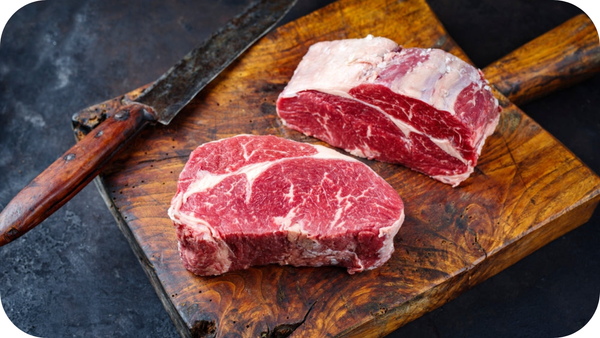
Two to four weeks. Whole cuts such as ribeye, scotch fillet, rump, brisket, cube roll, eye fillet, and sirloin hold their quality longer because the dense muscle structure protects against spoilage. Beef often appears darker or purplish inside the sealed bag and brightens once exposed to air which is normal for vacuum-packed meat.
2. Lamb
Two to three weeks. Lamb racks, shoulder, leg, cutlets, and backstrap remain stable because lamb fat oxidises more slowly than pork and poultry. A mild aroma when the pack is opened can be normal and usually settles once the meat breathes for a short time.
3. Pork
Ten days to two weeks. Pork scotch, loin chops, belly, and Boston butt benefit from vacuum sealing but have a shorter fridge life than beef because pork contains higher moisture levels which give bacteria more opportunity to grow. Keep pork on the coldest shelf in the fridge for the full storage time.
4. Poultry
One to two weeks. Chicken and turkey spoil faster because their natural moisture content and softer texture provide ideal conditions for bacterial growth.
Vacuum sealing slows spoilage but cannot extend the life as dramatically as it does for red meat. Always check poultry closely for smell and texture before cooking.
5. Seafood
One to two days. Seafood do not gain a major shelf life extension in the fridge even when vacuum sealed. Their delicate structure of protein breaks down quickly. For longer storage freeze immediately after purchase.
6. Ground meat
Three to ten days. Ground meat spoils faster because more surface area is exposed during grinding. Even when cryovaced the clock moves quicker for mince. If the seal loosens or the packet inflates use it within two days.
7. Cooked meat
Up to two weeks. Cooked cryovaced meat stays stable for longer because the cooking process removes many bacteria. Ensure it cools completely before sealing and keep the seal intact until ready to reheat.
Why Cryovacing Extends Shelf Life
Cryovacing works by creating an oxygen-free environment that protects your meat from early spoilage and preserves its natural flavour, texture, and freshness:
- Removal of oxygen: Vacuum-sealing draws out almost all air from the packaging which slows the growth of bacteria that rely on oxygen to multiply.
- Reduced oxidation: With very little oxygen present the meat is protected from early colour changes, rancidity in the fat, and the development of off flavours.
- Better moisture retention: The tight seal prevents natural juices from evaporating which keeps the meat tender, succulent, and full of flavour during storage.
- Slower enzyme activity: Enzymes that naturally soften meat slow down in low oxygen conditions which helps maintain freshness without affecting tenderness.
- Improved temperature stability: Vacuum -ealed packs conduct cold more effectively which helps the meat stay at a safe temperature throughout the fridge or freezer.
- Barrier against contamination: The sealed environment stops airborne bacteria, moisture, and fridge odours from reaching the meat which preserves quality.
- Protection against freezer burn: The seal prevents ice crystals from forming on the surface which means cryovaced meat can be frozen for six months or longer without losing texture or flavour.
- Extended storage for bulk buying: Longer shelf life allows you to stock up on premium cuts from Carnivore Society without worrying about early spoilage or waste.
How to Tell If Cryovaced Meat Has Gone Bad

Even with vacuum sealing meat can spoil if the seal fails or if the meat has been stored too long. These checks help you know when meat is safe to cook and when it should be thrown out.
1. Smell
Fresh cryovaced meat often releases a mild sour, metallic, or earthy aroma when first opened. This happens because natural gases build inside the airtight pack during storage. The scent should clear within a few minutes as oxygen reaches the surface.
If the smell becomes stronger, does not fade, or resembles rotten eggs, ammonia, or sweetness similar to fermenting food the meat is no longer safe to eat. Pork and poultry usually show spoilage through smell earlier than beef.
2. Colour
Vacuum-sealed beef can appear dark purple, while lamb may look deeper red. These tones are normal and result from the absence of oxygen. As the meat breathes, it should brighten to a natural red or pink colour.
Any patches of brown, grey, green, yellow, or a rainbow-like sheen indicate oxidation or bacterial activity. Poultry should remain pale pink and should never appear dull, grey, or blotchy.
3. Texture
Fresh meat has a firm, slightly moist feel and springs back when pressed. Spoiled meat becomes slimy or sticky because bacteria produce surface biofilms that create a slippery coating.
If the meat feels tacky, stringy, or leaves residue on your fingers it should be discarded. Poultry often becomes slippery earlier than red meat.
4. Seal condition
A proper vacuum seal should be tight and smooth with no air pockets. If the pack feels loose, contains bubbles, leaks, or shows any tears, air has entered the package. This exposes the meat to rapid bacterial growth.
Once the seal is compromised the meat must be used within two to three days or frozen immediately. A swollen or puffed-up packet can indicate gas produced by bacteria and should be treated as a sign of spoilage.
How Long Does Cryovaced Meat Last Once Opened

Once the vacuum seal is opened the meat is exposed to oxygen which allows bacteria to grow at a normal rate. From this point the meat behaves just like a fresh cut from a butcher. It should be used within two to three days if kept chilled between 1 and 4 °C. If the meat was close to its original use by date before opening it is safer to cook it sooner.
Red meat may darken slightly after opening because of exposure to air. This is normal and not a sign of spoilage. Poultry and pork should be checked more carefully because they deteriorate faster once exposed.
Always keep opened meat in an airtight container or wrapped tightly to prevent cross contamination with other foods in the fridge. If you are unsure whether you will cook it in time freeze it on the same day.
Freezing Cryovaced Meat for Longer Storage
Cryovaced meat is ideal for freezing because the airtight seal protects the surface from dehydration and prevents ice crystals from forming. This helps the meat maintain its natural moisture during thawing and preserves both flavour and texture. With a strong intact seal beef, lamb, pork, and poultry can be stored for six months and often longer without losing quality.
Fish and mince can also be frozen but are best used within one to three months because their delicate structure breaks down faster. Always freeze the meat while it is still fresh because freezing does not repair spoilage that has already begun. Place the meat in the coldest part of the freezer to keep the temperature stable.
Labelling each pack with the date makes meal planning easier and helps you rotate older packs first. When ready to use the meat thaw it slowly in the fridge which prevents temperature shock and keeps the texture tender. Avoid thawing at room temperature because this increases the risk of bacterial growth on the outer layers while the centre is still frozen.
Best Storage Practices for Cryovaced Meat

Storing cryovaced meat the right way helps you keep every cut fresh, safe, and full of flavour for much longer in your fridge:
- Keep it cold: Set your fridge between 1 and 4 °C to slow bacterial growth. Use a fridge thermometer if your model fluctuates because small temperature rises can shorten shelf life. Premium cuts like Wagyu and Angus hold their quality best at the lower end of this range.
- Use the bottom shelf: The bottom shelf provides the most stable temperature which helps maintain the safety of cryovaced meat. This shelf is less affected by frequent door openings which keeps the meat consistently chilled.
- Avoid overcrowding: Allow space around each pack so cold air can circulate freely. Overloaded shelves create warm pockets which increase the chance of premature spoilage. If storing multiple cryovaced packs keep them in a single layer to avoid insulation effect from stacking.
- Do not open the bag early: The vacuum seal is your strongest protection against contamination and spoilage. Only open the pack when you are ready to season or cook. Early opening reintroduces oxygen, reducing storage life to 2 or 3 days.
- Keep meat away from the fridge door: The door experiences constant temperature swings from opening and closing which can bring the meat above the safe zone. Place all cryovaced meat deeper inside the fridge to keep it cold and stable.
- Store above vegetables and ready-to-eat foods: Keep raw cryovaced meat on a dedicated shelf above produce so juices cannot leak onto foods that will not be cooked. Even sealed packs can release moisture if the outer bag becomes wet.
- Check the fridge regularly: Ensure the fridge maintains a stable temperature and clean any spills to prevent odours from transferring through packaging. A well-maintained fridge helps extend the life of all cryovaced meats.
Why Buying Cryovaced Meat from Carnivore Society Is Worth It
Cryovaced meat from Carnivore Society is packed within strict cold chain conditions that protect taste, colour, and texture. Our beef is sourced from premium Australian farms and includes grass-fed, organic, Angus, and Wagyu selections.
Every pack arrives cold-chain protected, with GPS tracking and professional handling that keep your meat safe from the moment it leaves the farm to the minute it arrives at your door.
Vacuum-sealing reduces waste and allows you to store multiple cuts for weeks without compromising quality. It gives you the freedom to buy in bulk, plan your meals with confidence, and enjoy premium restaurant-grade meat at home whenever you are ready.
Keep Your Meat Fresh and Flavourful Every Time
Cryovacing gives you more time to enjoy your favourite cuts without worrying about early spoilage. When stored correctly, beef, lamb, pork, poultry, and seafood stay fresh far longer than supermarket packaging allows.
With proper handling and a reliable cold chain, Carnivore Society delivers cryovaced cuts that remain tender, safe, and full of flavour from the moment you open the pack.
If you want to stock up on premium Australian meat that stays fresh, reliable, and ready when you need it, browse our full range at Carnivore Society today.