
For years, we were told fat was the enemy. Low-fat yoghurt, skim milk, and lean everything ruled the shelves. But here’s the truth: your brain and hormones thrive on fat. Stripping it from your diet could be robbing your body of essential fuel.
In this article, you’ll learn why animal fats like tallow, butter, and fatty cuts are vital for brain function, hormone production, and overall vitality.
Forget the fear of fat, it’s time to understand the science and eat in a way that truly fuels your body.
What Are Animal Fats?
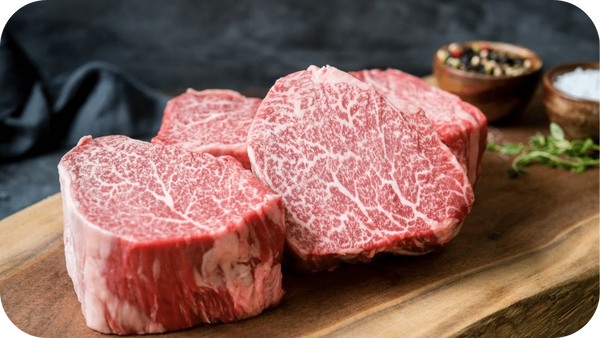
Animal fats are natural fats that come from animals. Common examples include beef tallow, lard from pork, suet from around the kidneys, butter from dairy, and the visible fat found on cuts of meat like ribeye, lamb chops, and chicken thighs.
These fats are rich in saturated and monounsaturated fats, cholesterol, and essential fat-soluble vitamins such as A, D, E, and K2. These nutrients are vital for healthy brain function and hormone production.
Unlike processed seed oils, animal fats remain stable when cooked at high temperatures. They are free from industrial additives and reflect how humans have eaten for generations.
They also contain omega-3 fatty acids, especially in grass-fed meats, and conjugated linoleic acid, which supports inflammation control and metabolic health.
In carnivore and nose-to-tail diets, animal fats are not just tasty. They provide long-lasting energy, support nutrient absorption, and help your body function at its best.
Why Your Brain and Hormones Thrive on Animal-Based Fats

Fat isn’t the enemy; it’s your brain’s best friend and your hormones’ secret weapon. Animal-based fats deliver essential nutrients like cholesterol, omega-3s, and fat-soluble vitamins that plant oils can’t match.
They build brain tissue, regulate mood, and stabilise hormonal cycles. Below, we break down how these traditional fats fuel cognitive clarity and endocrine function naturally and effectively:
The Brain Loves Fat: Here’s Why
Your brain is made up of nearly sixty percent fat, and it relies on dietary fat to function properly. Animal fats provide the saturated fats and cholesterol needed to build and maintain the structure of brain cells.
These fats support the integrity of cell membranes, allowing messages to move quickly and efficiently between neurons. Without enough fat in your diet, cognitive function can slow, mood may become unstable, and memory may decline.
Animal fats also supply essential fatty acids like DHA and arachidonic acid, both of which are important for brain development and repair. If you want better focus, mental clarity, and emotional balance, feeding your brain the right fats is a powerful place to start.
Hormone Health Depends on Fat
Hormones are made from cholesterol, and cholesterol comes primarily from fat. Without enough fat in your diet, your body cannot produce the sex hormones oestrogen, progesterone, and testosterone. These hormones regulate everything from mood and energy to muscle development and reproductive health.
Fat also supports the production of cortisol and other adrenal hormones that help you cope with stress. When fat intake is too low, hormone imbalances can follow, leading to fatigue, irregular cycles, low libido, and poor sleep.
Animal fats contain the nutrients needed to keep the endocrine system functioning properly, including vitamins A and D. By nourishing your body with whole food fats, you support hormonal balance naturally and effectively.
Animal Fats and Cognitive Performance

Cognitive performance depends on more than just brain structure. It relies on a steady supply of fuel and nutrients that keep mental processes sharp and responsive. Animal fats are rich in cholesterol and saturated fats, which feed the brain and allow it to perform under pressure.
These fats also help regulate neurotransmitters, which are essential for mood, memory, and focus. Diets low in fat have been linked to brain fog, depression, and cognitive decline over time. Animal fats also provide choline, a nutrient found in liver and egg yolks that supports learning and attention.
For those who want to stay sharp and alert, including animal fats in the diet can help maintain long-term mental performance.
Saturated Fat and Hormonal Balance
Saturated fat has long been misunderstood, but it plays a key role in maintaining hormonal health. Your body needs saturated fat to make cholesterol, which is the raw material for all major hormones.
Testosterone, oestrogen, and progesterone all depend on cholesterol for their production. Diets that are too low in saturated fat may disrupt this delicate hormonal process. Animal sources of saturated fat, like tallow and butter, also provide stearic acid and palmitic acid, which support energy metabolism and immune health.
When consumed as part of a whole food diet, saturated fat does not harm your heart. Instead, it helps your body regulate hormones, maintain strength, and stabilise energy throughout the day. Balance is key, and quality matters.
Fat-Soluble Vitamins and Hormonal Function
Animal fats are the richest natural source of fat-soluble vitamins A, D, E, and K2. These vitamins play a direct role in hormonal function and balance. Vitamin A supports thyroid health and fertility. Vitamin D regulates calcium levels and immune response while also acting like a hormone itself.
Vitamin E protects reproductive health and cell membranes. Vitamin K2 helps direct calcium into bones and away from soft tissues, supporting hormonal health and structural strength. These vitamins require fat for proper absorption, making animal fats the ideal delivery system.
Without these nutrients, hormonal systems can weaken, and imbalances may occur. A diet that includes natural animal fats helps ensure your body receives the tools it needs to stay in balance.
The Carnivore Advantage: Animal Fat in Action

Carnivore and nose-to-tail diets offer a natural way to consume animal fats in the form your body recognises and uses best. By eating fatty cuts of meat, organ meats, and rendered fats like tallow, you provide your body with the building blocks it needs for brain function, hormone production, and metabolic stability.
These diets avoid processed seed oils, fillers, and empty calories, replacing them with nutrient-dense foods that fuel real performance. Animal fats offer clean, long-lasting energy without the crash of carbs or the inflammation linked to vegetable oils.
For those committed to ancestral health, the carnivore diet makes it easy to access high-quality fat from whole sources. It is not just a trend. It is a return to how humans were meant to eat.
Who Should Moderate Their Intake?
Animal fats are incredibly nutrient-dense, but certain individuals may benefit from a more mindful approach. Here’s who should take extra care:
- Those with gallbladder issues: May struggle to break down and absorb high levels of dietary fat
- People with fat malabsorption conditions: Conditions like pancreatitis or celiac disease can impair fat digestion
- Individuals with genetic lipid disorders: Such as familial hypercholesterolaemia, which affects cholesterol metabolism
- Those on medications affecting fat metabolism: Some drugs interfere with how fats are absorbed or processed
- Anyone transitioning from a low-fat diet: Should increase animal fats gradually to allow digestive adaptation
- People with unresolved digestive discomfort: Bloating or nausea after fatty meals may signal a need for enzyme support
- Anyone unsure about their metabolic health: Should consult a nutritionist or doctor before making big dietary changes
How to Add Animal Fats to Your Diet

Want better energy, sharper focus, and balanced hormones? It starts with the fat you eat. Here’s how to add nourishing animal fats to your meals with ease:
- Cook with tallow or lard: Use beef tallow or pork lard in place of vegetable oils for frying and roasting
- Choose fatty cuts of meat: Opt for ribeye, lamb shoulder, chicken thighs with skin, and pork belly
- Eat the whole animal: Include organ meats like liver, heart, and kidney for fat-soluble vitamins and essential fats
- Snack on animal fat-rich foods: Hard-boiled eggs, beef jerky with visible fat, and pâté make excellent options
- Add butter generously: Use real butter on veggies, meat, and eggs for extra flavour and nutrients
- Make bone broth: Slow-simmer bones and marrow to extract collagen, gelatin, and healthy fats
- Render your own fat: Save fat drippings from roasts and store them for cooking or flavouring meals
How Much Animal Fat Do You Need?
There’s no one-size-fits-all amount, but your fat intake should match your lifestyle, goals, and metabolic needs. Here's how to think about it:
-
Carnivore and keto eaters: May aim for 60 to 80 percent of daily calories from fat to fuel energy and hormone function
-
Active individuals: Benefit from higher fat intake to support recovery, performance, and long-lasting energy
-
Those on balanced ancestral diets: Can enjoy moderate fat from fatty cuts, eggs, butter, and organ meats with every meal
-
If you're just starting: Introduce animal fats gradually to support digestion and avoid discomfort.
-
Listen to your body: Signs of not getting enough include low energy, poor focus, hormone imbalances, or constant hunger.
- Prioritise quality over quantity: Choose fats from grass-fed animals and avoid processed oils for the best results
Busting the Myths Around Animal Fats
Here’s the truth about animal fats, they’re not the dietary villains we’ve been told they are:
- Animal fats and health misconceptions: For decades, animal fats were unfairly scapegoated for rising rates of heart disease, obesity, and cholesterol-related issues. These claims shaped public policy and dietary guidelines, pushing millions toward low-fat, high-carb alternatives with unintended consequences.
- Outdated science and marketing influence: The fear of animal fats largely stemmed from flawed research in the mid-20th century, combined with powerful campaigns that promoted processed seed oils as healthier. This shift ignored the natural role of saturated fats in traditional diets across cultures.
- Modern research insights: Current studies reveal that saturated fat and cholesterol from unprocessed animal sources are essential for producing hormones like testosterone and oestrogen, maintaining cellular integrity, and supporting brain development and memory.
- Artery-clogging myth debunked: The long-held belief that saturated fats clog arteries has been challenged by numerous large-scale reviews. Findings suggest no strong correlation between saturated fat intake and cardiovascular events in otherwise healthy people.
- Fat doesn't make you fat: Unlike the blood sugar spikes caused by refined carbs, animal fats provide a steady source of energy. They support metabolic health, help regulate hunger hormones like leptin, and keep you full longer, making fat an ally, not a culprit.
- Quality sources matter: The nutritional value of animal fats depends heavily on the source. Animal fats from grass-fed beef or pasture-raised pork provide dense, bioavailable nutrition, which contains higher levels of omega-3s, conjugated linoleic acid (CLA), and fat-soluble vitamins like A, D, and K2 compared to conventional feedlot meat.
- Reclaiming traditional fats: Societies across history thrived on diets rich in animal fats, from lard and tallow to duck fat and butter. It’s time to challenge old fears and reinstate these nourishing fats into modern eating habits as part of a balanced, whole-food lifestyle.
Conclusion
At Carnivore Society, we believe real fuel comes from real food. Animal fats offer the foundation your brain and hormones need to thrive, without the junk, the fillers, or the confusion. From sharper thinking to stable energy and balanced hormones, the benefits are clear.
Choose fatty cuts, organ meats, and traditional animal fats with confidence. This is not a diet trend. It’s how your body was meant to function, powerfully, naturally, and without compromise.