
Omega-3 fatty acids have gained widespread attention for their powerful health benefits, from supporting heart health to improving brain function.
But if you’re relying on meat as a source of omega-3s, does the type of feed your beef consumed actually matter?
Grass-fed and grain-fed beef may look similar in your shopping aisle, but they’re not created equal nutritionally. So, when it comes to omega-3 content, which one should you be putting on your plate?
What Are Omega-3 Fatty Acids and Why Do They Matter?
Omega-3 fatty acids are essential nutrients, your body needs them but can’t make them on its own. That means you have to get them through food. There are three key types:
-
ALA (alpha-linolenic acid): Found in plant-based sources like flaxseeds and chia seeds.
-
EPA (eicosapentaenoic acid): Primarily found in oily fish and animal products.
-
DHA (docosahexaenoic acid): Primarily found in oily fish and animal products.
These healthy fats do more than just tick a nutrition box. Omega-3s help reduce chronic inflammation, support heart health, stabilise your mood, and play a major role in brain development and cognitive performance. They’ve even been linked to lower risks of depression and Alzheimer’s disease.
While fish like salmon and sardines are often seen as the go-to omega-3 source, grass-fed red meat offers a valuable and underrated alternative. Compared to grain-fed beef, grass-fed beef contains significantly more omega-3s, giving you a nutrient boost with every bite, no fishing rod required.
So, for Aussies looking to top up their omega-3s without relying solely on seafood, switching to grass-fed beef is a smart, flavourful move. It’s a win for your body and your barbecue.
The Diet Difference: Grass-Fed vs. Grain-Fed Livestock

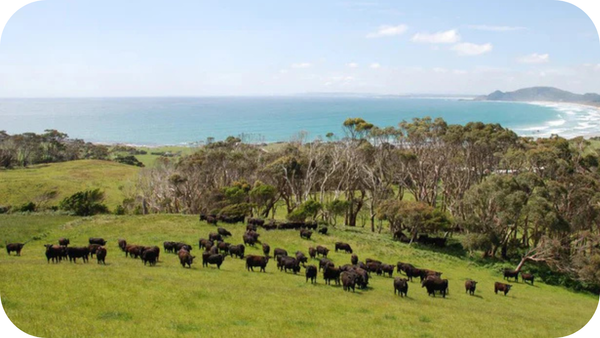
Grass-fed livestock are allowed to graze freely on open pastures, consuming a natural diet of grasses, wild plants, and forage. This diet closely mimics what ruminant animals like cattle have evolved to eat. The animals are typically raised in more humane, stress-reduced environments, which further supports better meat quality.
Grain-fed livestock, on the other hand, are usually moved to feedlots (also known as CAFOs, Concentrated Animal Feeding Operations) during the final months of their lives. There, they’re fed a high-calorie mix of grains such as corn and soy to increase body mass before slaughter rapidly.
This grain-heavy diet alters the animal's fat composition, increasing intramuscular fat (marbling), but at the cost of nutritional quality.
Grass-based diets result in leaner beef with a higher proportion of healthy fats, such as omega-3s and CLA. Grain-fed beef, while often more tender due to higher marbling, tends to contain more saturated fat and significantly higher levels of omega-6 fatty acids, linked to inflammation when consumed in excess.
To learn more about their differences, kindly check this resource
Omega-3 Content Comparison: What Studies Say

Extensive studies confirm that grass-fed beef outperforms grain-fed beef when it comes to omega-3 fatty acid content:
-
Higher Omega-3 Levels: Grass-fed beef consistently contains more omega-3 fatty acids, especially ALA, EPA, and DHA, than grain-fed beef, supporting heart, brain, and joint health.
-
Proven by Research: A British Journal of Nutrition study found that grass-fed beef offers up to five times more omega-3s than grain-fed beef, around 70–80 mg per 100g versus just 20–30 mg.
-
Helpful for Non-Fish Eaters: While not as rich as oily fish, grass-fed beef offers a meaningful omega-3 boost for those limiting seafood.
-
Balanced Fatty Acid Ratio: Grass-fed beef typically maintains a healthier omega-6 to omega-3 ratio (2:1 or 3:1), unlike grain-fed beef, which can exceed 10:1.
-
Health Impact: A more balanced ratio helps reduce chronic inflammation, lowering risks of heart disease, obesity, and other inflammatory conditions.
- Natural Nutrient Profile: Grass-fed beef is the best choice for a more natural dietary balance without the need for supplements or drastic diet changes.
Other Nutritional Differences Worth Noting
Beyond omega-3s, grass-fed meat delivers a range of additional nutritional perks:
|
Nutrient / Component |
Grass-Fed Beef |
Grain-Fed Beef |
|
CLA (Conjugated Linoleic Acid) |
Higher levels; linked to reduced body fat and stronger immunity |
Lower levels of CLA |
|
Vitamin E |
Rich in antioxidants that protect cells from oxidative stress |
Less vitamin E than grass-fed options |
|
Overall Fat Content |
Typically leaner with less total fat |
Generally higher in fat due to rapid grain-based fattening |
|
Omega-6 to Omega-3 Ratio |
More balanced, lower ratio (ideal for reducing inflammation) |
Higher omega-6, skewed ratio may promote inflammation |
Is Grass-Fed Always Better for Health Compared to Grain-Fed?

Grass-fed meat often gets the spotlight for its nutritional edge, thanks to higher omega-3 levels, better antioxidant content, and a more favourable fat profile. However, whether it’s always better for health depends on context.
Nutrition is multifaceted; factors like portion size, overall diet quality, and how the meat is prepared play major roles in determining health outcomes. Grilling lean grass-fed steak is far healthier than deep-frying even the best cut.
It’s also important to consider accessibility. Grass-fed beef usually comes at a higher price point due to slower growth rates, pasture-based farming, and more ethical animal treatment.
For some households, that price tag can be limiting. Yet many health-conscious consumers view it as a long-term investment, one that supports their wellbeing, animal welfare, and environmentally sustainable agriculture.
Ultimately, both grass-fed and grain-fed beef can be part of a balanced diet. But if you’re prioritising cleaner fats, fewer additives, and ethical sourcing, grass-fed is a solid choice.
What to Look for When Buying Grass-Fed Meat
Not all labels are created equal. If you’re aiming for maximum omega-3 content, look for claims like:
-
100% Grass-Fed: Indicates the animal was raised entirely on grass and forage, without being grain-finished. This ensures higher omega-3 levels and a more natural fat profile.
-
Grass-Finished: Confirms that the animal continued grazing on pasture right up until slaughter, rather than being switched to grain feed for rapid fattening.
-
Pasture-Raised: Suggests the livestock had consistent access to open pasture, contributing to better animal welfare, leaner meat, and more complex flavour.
-
Buy from Local Butchers: Offers direct access to meat origins and butchery practices. Local butchers often source from smaller farms, ensuring higher quality and accountability.
-
Choose Trusted Suppliers like Carnivore Society: Known for premium, traceable cuts that are cryovaced for freshness. They offer transparency, grass-fed guarantees, and exceptional flavour straight from Australian farms.
- Check for Certification Labels: Look for third-party certifications like or equivalent Australian standards that back the grass-fed claim with verified practices.
Carnivore Society’s Grass-Fed Commitment

At Carnivore Society, we’re not just selling beef, we’re backing Aussie farmers who do things correctly. Every cut we offer is 100% grass-fed, sourced from local farms where cattle roam free, graze on natural pastures, and are raised without the use of grain, growth hormones, or unnecessary antibiotics.
We believe better farming leads to better beef. That’s why our commitment starts at the paddock. By choosing grass-fed over grain-fed, we ensure our beef is naturally higher in Omega-3s and packed with flavour the way nature intended. It’s the kind of meat you can feel proud to serve your family, clean, nutrient-rich, and responsibly sourced.
Whether you’re tossing a scotch fillet on the barbie or slow-cooking a brisket, our grass-fed beef brings real taste and real nutrition to every bite. It’s not just about the end product, it’s about supporting an Aussie food system built on integrity, transparency, and trust.
Which Should You Choose?
If omega-3s are your priority, grass-fed beef is the clear winner. It’s not only higher in these beneficial fats but also offers a better omega-6 to omega-3 balance, additional nutrients, and a cleaner fat profile.
While grain-fed beef is more widely available and cheaper, it simply doesn’t stack up nutritionally when it comes to omega-3 content.
Carnivore Society offer transparency and flavour you can taste. Don’t settle for vague claims, seek out meat with a clear story behind it.