
Picture a thick Australian steak sizzling on the grill, the aroma rising as you wait for that first juicy bite. Moments like this feel even better when you know exactly where your meat comes from and how it was raised.
Provenance shapes the flavour, texture and trust behind every cut, whether it is grass-fed rump or richly marbled Wagyu.
This guide walks you through how Australian beef is sourced, what influences quality and why understanding the story behind your meat helps you choose confidently every time.
The Story Behind Australian Beef Production
Australian beef carries stories shaped by weather, landscapes and the people who work the land. These stories influence flavour, tenderness and the trust you place in every cut you bring home. Here are the key parts of that story.
1. The Australian Beef Landscape
Australia’s vast landscapes play a major role in the beef you enjoy at home. From rolling southern pastures to rugged northern rangelands, each region creates its own character in the meat.
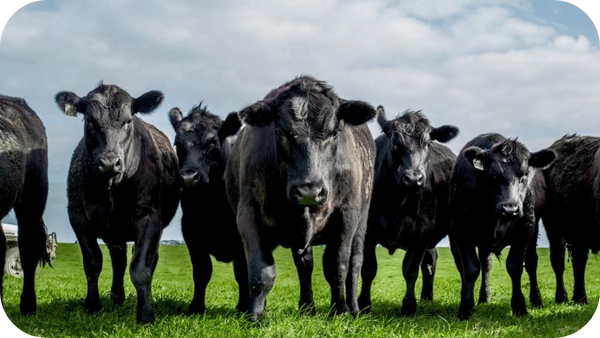
Cattle graze in open spaces with clean air, natural grasses and varied climates that encourage steady growth and strong muscle development. Many farmers work on land that has been in their families for generations, carrying knowledge passed down through decades of hands-on experience.
Their choices on grazing rotation, animal care and soil management influence tenderness and flavour long before the meat reaches your kitchen. When you understand where your beef grows, you begin to appreciate just how much nature contributes to every meal.
2. Grass Fed, Grain Fed and Wagyu Feeding Programs
Feeding programs are at the heart of Australian beef quality because they shape flavour, texture and consistency. Grass-fed cattle spend their lives grazing on natural pastures, which creates a clean, hearty taste that many families prefer for everyday cooking.
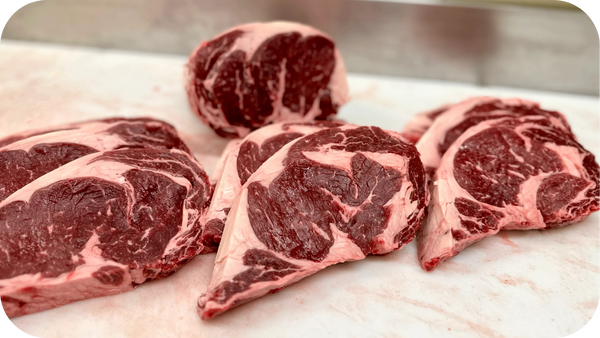
Grain-fed cattle follow structured rations designed to encourage marbling and a softer mouthfeel. Wagyu beef programs involve longer feeding periods, careful monitoring and selective breeding that produce the rich, buttery characteristics people associate with premium steaks.
Behind each system is a farmer who understands nutrition, patience and the behaviour of their herds. These choices influence how the beef cooks in your pan and how satisfying each bite feels. Knowing the feeding story helps you choose the style of beef that suits your meals and budget.
3. Breed Significance in Australian Beef Quality

Different cattle breeds bring their own personalities to the plate. Angus is known for dependable tenderness and a bold beef flavour that suits nearly any cooking style. Wagyu breeds offer high levels of marbling that melt during cooking and create a luxurious texture.
Hereford cattle provide a classic, balanced eating experience that works well for roasts and family meals. Farmers select breeds carefully based on climate, land conditions and the qualities they want to produce.
They study lineage, growth rates and temperament to ensure the herd performs well and stays healthy. These decisions influence the meat long before it reaches a butcher. When you understand why breeds matter, you gain a clearer picture of what makes each cut special and why certain types suit your cooking preferences.
Farming Practices That Shape Provenance
Behind every great cut of beef is a farming practice that shaped its flavour, texture and integrity long before it reached your kitchen. These practices tell you how the cattle lived and why provenance matters so much. Here are the essentials.
1. Free Range and Pasture Raised Systems
Free-range and pasture-raised farming is central to the identity of Australian beef. Cattle spend their days grazing naturally, moving freely and following the rhythms of the land. This creates calmer animals, healthier muscle development and a flavour profile that feels clean and honest.
Many families who farm this way believe in giving cattle space to grow as nature intended. They understand the land intimately and adjust grazing areas to protect soil health and plant diversity.
These decisions influence every stage of the animal’s life and contribute to consistent eating quality. When your beef comes from pasture-raised systems, you can taste the care that went into raising the herd and the connection between the farmer and the landscape.
2. Organic and Regenerative Farms
Organic and regenerative farmers focus on creating thriving ecosystems that support healthy cattle and healthy soil. They rely on natural vegetation, controlled grazing and low intervention methods that allow the land to rebuild itself over time.
Their goal is not just to produce beef but to protect the farm for future generations. Many work closely with the seasons, adjusting stocking levels and grazing patterns to maintain balance in the soil.
Regenerative practices often include planting native grasses, improving water retention and encouraging biodiversity across the property. These methods create cattle that grow steadily and naturally, which contributes to richer flavour and dependable texture.
When you choose beef from these farms, you support a system that values sustainability and long-term environmental care.
3. Animal Welfare and Ethical Standards
Animal welfare sits at the heart of responsible beef production in Australia. Farmers who prioritise welfare spend time understanding how cattle behave, how stress affects growth and how proper handling influences the final eating experience.
Good welfare begins with simple actions such as providing clean water, shelter during harsh weather and gentle handling during mustering. Many farmers train their teams to recognise signs of discomfort or illness so they can act quickly and respectfully. Ethical meat sourcing standards also include responsible transport, humane processing and ongoing attention to the well-being of the entire herd.
When cattle are raised with kindness and care, the difference shows in the quality of the meat. Choosing beef with strong welfare foundations means supporting farming families who value respect for their animals.
Certifications and Quality Assurance Labels in Australia

Certifications help you understand the real story behind your beef. They act as simple guides that show how the meat was raised, handled and graded before reaching your kitchen. Here are the key labels that matter most in Australia.
1. AUS MEAT and MSA Grading
AUS MEAT and MSA grading matters and gives you a reliable way to judge quality before you even start cooking. AUS MEAT provides structure around categories, cut descriptions and meat specifications, while MSA focuses on predicting tenderness, juiciness and overall eating experience.
Farmers and processors follow strict protocols to ensure every step meets the required standard. This includes how cattle are raised, transported and prepared for processing. Many consumers feel more confident buying beef with MSA grades because they know the meat has been assessed carefully for consistency.
These grading systems help remove guesswork and let you choose cuts that suit your cooking style and expectations. When you see these labels, you know the beef has been handled with care from start to finish.
2. Halal, Organic and Free Range Certifications
Labels such as Halal, Organic and Free Range give shoppers insight into farming practices and ethical choices behind the meat. Halal certification ensures the beef meets specific religious guidelines while also confirming high welfare and quality procedures.
Organic certification guarantees the cattle were raised without synthetic chemicals, antibiotics or growth hormones. Free Range certification shows that cattle had space to roam and were raised in conditions that respect natural behaviour.
These labels make it easier for families to buy according to their values and dietary needs. Each certification carries its own audits and requirements, which encourage transparency across the supply chain. When you understand what these labels promise, you can choose beef that aligns with your personal preferences and lifestyle.
3. Traceability Systems in Australian Beef
Traceability systems help you follow the journey of your beef from farm to plate. Australia uses national identification tags and detailed records that document where each animal was raised, how it was handled and which processors were involved.
This level of tracking gives consumers reassurance about food safety, disease management and authenticity. Farmers and producers update these records throughout the animal’s life, creating a clear timeline that supports trust and accountability.
For many shoppers, knowing the story behind their meat enhances the experience of cooking and sharing meals at home. When traceability is strong, it builds confidence in both the product and the people who produced it. This is why so many premium suppliers make transparency a core part of their brand.
Regional Provenance and What It Means for Flavour
Where your beef comes from shapes its taste more than many people realise. Climate, soil, pasture quality and local farming traditions all leave their mark on every cut. Here are the regional influences that help create the flavours you enjoy.
1. Southern Australia Pasture Regions

Southern Australia is known for its cool climates and lush pastures, which are perfect for raising grass-fed cattle. The slower growth created by these conditions often produces beef with a clean, balanced flavour and natural tenderness.
Many family farms in these regions rely on generations of knowledge about rotating grazing areas, maintaining soil health and working with the seasons rather than against them. Their cattle spend most of their lives outdoors, grazing on nutrient-rich grasses that help create a steady, consistent eating quality.
When you buy beef from the south, you can expect a gentle flavour that works well for everyday cooking, roasts and slow-cooked dishes. These regions give you reliable quality shaped by patience and thoughtful land management.
2. Northern and Central Rangelands
Northern and central Australia offer wide open rangelands that stretch for hundreds of kilometres. The climate is warmer, the terrain is tougher, and the cattle grow in a truly free-range environment.
These conditions create beef with a stronger, more robust character that many people enjoy for hearty meals. Rangeland farmers often manage large properties and rely on a deep understanding of cattle behaviour, seasonal rainfall and sustainable stocking levels. The cattle graze on native grasses and hardy vegetation, building muscle naturally and developing their flavour over time.
Beef from these regions often suits grilling, slow cooking and recipes where you want richness and depth. When you choose rangeland beef, you support producers who work closely with the rhythms of the land.
3. Specialist Wagyu Programs Across Australia
Wagyu programs in Australia combine careful breeding, structured feeding and close attention to detail to create beef with distinctive marbling and a silky texture. These programs are found in several regions, each bringing its own environmental influence to the final product.
Farmers working with Wagyu herds focus on genetics, nutrition and calm handling to ensure the cattle thrive. Many use long feeding periods with consistent rations that support steady growth without stress. The result is beef known for its luxurious tenderness and rich flavour that melts gently during cooking.
Wagyu programs rely on patient farmers who understand the balance between natural growth and tailored care. When you choose Australian Wagyu, you are tasting a combination of environment, expertise and thoughtful farming.
4. High Country and Elevated Pasture Regions
High country regions offer cooler temperatures, cleaner air and seasonal pastures that create a unique environment for raising cattle. The terrain encourages natural movement, which helps build healthy muscle and improve texture in the beef.
Farmers in these areas often work with traditional grazing methods that respect the land and adjust to changing weather patterns. The cattle feed on a mix of native grasses and mountain pastures, which contribute to a mild yet distinctive flavour.
Beef from elevated regions tends to feel refined and naturally tender, making it ideal for pan searing, roasting or special occasion meals. When you choose beef from high country properties, you support farming families who work with challenging but rewarding landscapes that help create memorable eating experiences.
Environmental and Sustainability Factors

Sustainability is shaping how Australian beef is raised, from the care of the land to the long-term health of farming communities. These factors influence flavour, quality and trust, making provenance more meaningful for shoppers who want responsible choices. Here are the key considerations.
1. Water and Land Stewardship
Water and land stewardship sit at the centre of responsible beef production in Australia. Farmers work closely with their environment, watching rainfall patterns, maintaining waterways and protecting soil structure.
Many rotate grazing areas to prevent overuse and allow vegetation to recover. Good stewardship also includes replanting native grasses, managing erosion risks and improving water catchment areas so cattle always have clean drinking sources. These actions create healthier land that supports stronger herds and steadier growth.
When farmers treat the land with respect, the benefits flow into the quality of the beef. Shoppers who choose meat from farms that practise careful land management support families who see themselves as caretakers of their environment, not just producers of food.
2. Low Intervention and Regenerative Approaches
Low intervention and regenerative methods focus on helping the land rebuild itself naturally. Farmers who use these systems reduce reliance on chemicals, antibiotics and heavy machinery. Instead, they prioritise healthy soil, diverse pastures and natural nutrient cycling.
Many adopt rotational grazing, cover cropping and composting techniques that enrich the land and improve resilience during drought or seasonal changes. These methods often create cattle that grow at a steady, natural pace, which contributes to consistent texture and clean flavour in the meat.
Regenerative farmers believe that healthy soil leads to healthier animals, which ultimately leads to better food on your plate. Choosing beef from these farms means supporting a long-term approach that values both environmental stability and food quality.
3. Carbon Footprint and Climate Responsibility
Farmers across Australia are becoming more aware of their carbon footprint and are finding practical ways to reduce their impact. Some invest in renewable energy for their properties, while others improve grazing management to increase soil carbon storage.
Efficient water systems, careful feed planning and reduced transport distances also help lower emissions. Many producers now track their environmental progress, working towards lower-carbon beef that still meets high standards of eating quality.
These efforts support a healthier climate and give consumers more responsible choices. When you choose beef from farms that prioritise carbon awareness, you support people who want to protect the land for future generations while still providing food with reliable flavour and tenderness.
4. Biodiversity and Wildlife Protection
Biodiversity plays an important role in the long-term health of beef-producing regions. Farms that protect wildlife corridors, native vegetation and natural water systems create environments where cattle and local species can coexist.
Many farmers monitor animal movement, fence sensitive areas and manage pests in humane ways to maintain balance. Healthy ecosystems encourage stronger pastures, improved soil and greater resilience during drought or heavy rain.
This natural stability supports steady cattle growth and contributes to improved meat quality. When farmers protect biodiversity, they do more than raise livestock. They help maintain landscapes that support communities, wildlife and sustainable food production. Choosing beef from these regions means supporting environments where nature and agriculture work together.
Why Provenance Matters to Carnivore Society

Provenance shapes every decision behind Carnivore Society. It guides how we choose farmers, how we protect quality during transport and why we only stock beef with a story you can trust. Here is what provenance means to us and to your table.
1. Our Sourcing Standards and Partner Selection
Carnivore Society works with producers who care about their craft and the land they raise cattle on. We look for farming families who understand their herds, value clean pastures, and consistently produce beef with dependable flavour and tenderness.
Every partner must follow responsible practices that respect both animals and the environment. We spend time learning how they farm, what feeding programs they use and how they manage their properties through changing seasons.
These relationships help us offer cuts that feel honest and predictable every time you cook. When you choose Carnivore Society, you are choosing beef from producers who take pride in their work and who share our belief that great meat begins long before it reaches your kitchen.
2. Cold Chain Integrity and Careful Handling
Quality does not end at the farm gate. Carnivore Society treats handling and temperature control as core parts of provenance. We use strict cold chain processes to keep every cut at the right temperature from the moment it leaves the producer to the moment it arrives at your door.
This protects texture, food safety and flavour, especially for premium cuts that deserve careful treatment. Each delivery is monitored so your beef arrives fresh, firm and ready to cook. Many customers tell us they feel confident ordering from us because every box arrives in the same dependable condition.
When handling is done properly, you taste the difference in every bite because the meat retains the qualities the farmer worked hard to create.
3. Transparency That Builds Trust
We believe people should know exactly what they are feeding their families. Provenance makes that possible by giving clear insight into breed, region, feeding style and farming philosophy.
Carnivore Society shares these details openly so you can make informed choices that match your cooking style and values. This transparency helps customers understand why Wagyu feels different from Angus, why grass-fed beef has its own character and why regional conditions matter.
Trust grows when information is easy to access and honest. For us, provenance is not a marketing term. It is a promise that every cut has a real story behind it. When you shop with us, you know where your beef comes from and why it tastes the way it does.
4. Supporting Sustainable and Ethical Producers

Carnivore Society chooses producers who share our belief in responsible farming. We partner with families and programs that protect soil health, prioritise animal welfare and take steps toward sustainable grazing.
Supporting these farmers means supporting healthier land and better long-term food systems. Their commitment shows in the quality of the meat because cattle raised with care grow naturally and maintain calm behaviour, which influences texture and flavour.
When customers choose cuts from these producers, they are helping maintain farming traditions that value community, environment and ethical responsibility. Provenance matters because it connects you to people who believe in doing things the right way. It also ensures your meals carry a story you can feel proud of serving.
Smart Buying Tips for Australian Beef Shoppers
Choosing beef with real provenance becomes much easier when you know what to look for on a label. These simple tips help you shop with confidence and understand the true story behind every cut you bring home.
- Look for clear region naming: A good label should tell you where the cattle were raised. Regions such as the Channel Country, Gippsland or the Riverina often signal consistent farming practices and dependable flavour.
- Check the feeding style: Grass-fed, grain-fed and Wagyu programs each create different textures and taste profiles. Honest producers list feeding information clearly so you can match the cut to your cooking style.
- Pay attention to grading systems: MSA and AUS MEAT grades provide reliable guidance on tenderness and eating quality. These grades help take the guesswork out of choosing steaks, especially when you want a dependable result.
- Be cautious with vague claims: Phrases like farm fresh or premium quality do not guarantee genuine provenance. Choose labels that provide real details rather than marketing language that feels unclear.
- Confirm certifications when needed: Halal, Organic and Free Range labels should be backed by official certification. Proper logos and certification numbers show that the farm followed recognised standards.
- Traceability information is a good sign: Identification codes, processor details and batch numbers show that the beef has been tracked from farm to plate. This level of detail often reflects strong food safety and integrity.
- Choose suppliers who share information openly: When a brand is willing to explain breed, region, farm practices and handling methods, it usually means they have nothing to hide. Transparency often leads to better quality and better meals at home.
Popular Carnivore Society Cuts with Clear Provenance
Carnivore Society focuses on cuts that carry a clear story from the farm to your kitchen. Each one reflects the region, breed and farming style behind it. These customer favourites show how provenance creates flavour, tenderness and confidence in every meal.
1. Grass Fed Angus Cuts
Grass-fed Angus remains a favourite for families who enjoy clean, honest beef flavour. Raised on open pastures in cooler southern regions, Angus cattle grow at a steady, natural pace that supports tenderness and balanced marbling.
Farmers who work with Angus understand the importance of calm handling, healthy grazing rotation and the relationship between land and herd behaviour. These cuts often suit everyday cooking, from quick pan-seared steaks to slow-cooked comfort meals.
Customers appreciate the reliability of Angus because the flavour feels familiar and approachable. When you choose grass-fed Angus from Carnivore Society, you bring home beef that reflects responsible farming and a long tradition of raising cattle in harmony with the land.
2. Australian Wagyu Programs

Australian Wagyu has gained a strong reputation for its luxurious texture and distinctive marbling. These cattle are raised with close attention to genetics, feeding consistency and calm daily routines.
Farmers involved in Wagyu programs often commit to long feeding cycles that allow the intramuscular fat to develop gradually, giving the meat its signature tenderness. The result is beef that suits special occasions, careful cooking and moments when you want something memorable on the table.
Carnivore Society selects Wagyu producers who follow transparent, well-managed programs so you know exactly where your meat came from. Each cut arrives with the softness and richness that Wagyu lovers expect, shaped by patient farming and thoughtful care throughout the animal’s life.
3. Organic and Free Range Beef Options
Many customers look for beef that reflects natural farming methods and minimal intervention. Organic and free range cuts meet this need through practices that focus on clean soil, natural diets and space for cattle to move freely.
These farms avoid synthetic chemicals, routine antibiotics and growth promoters, which helps maintain healthy herds and steady growth. The beef often carries a fresh, pure flavour that suits simple cooking styles where the meat can shine on its own.
Carnivore Society partners with producers who value environmental balance and long-term land health. When you bring home these cuts, you support farming families who prioritise natural processes and aim to provide beef that feels wholesome, honest and grounded in traditional care.
Frequently Asked Questions
1. How does Carnivore Society source its beef?
Carnivore Society partners with trusted Australian farmers who follow responsible grazing, high-welfare practices and transparent feeding programs. Every cut comes from producers who can clearly trace the origin, region and handling of their cattle.
2. What does provenance mean when buying beef?
Provenance refers to where the cattle were raised, how they were fed and the farming methods used. It helps you understand the story behind the meat and why a cut tastes the way it does.
3. What does the MB score tell me about Wagyu and other beef?
The MB score shows how much intramuscular fat sits within the meat. Higher scores usually mean more tenderness, richer flavour and a softer mouthfeel. It helps you choose the right cut for your cooking plans.
4. How should I store beef after delivery?
Place your beef in the coldest part of the fridge and keep it in its original packaging until you are ready to cook. If you will not use it within a few days, freeze it for later.
5. Is grass-fed beef better than grain-fed?
It depends on your taste and cooking style. Grass-fed beef has a clean, natural flavour, while grain-fed beef offers more marbling and a softer texture. Both can be excellent when sourced from responsible farms.
6. How do I know if a label is genuine?
Look for clear region naming, feeding details, certification logos and traceability information. Honest labels tell you exactly how the cattle were raised rather than relying on vague marketing phrases.
7. Does buying Australian beef support better farming practices?
Yes. Many Australian farms prioritise land care, animal welfare and responsible grazing. Choosing beef with a known origin supports farming families who care about quality and long-term sustainability.
Taste the Difference That Starts at the Farm
Knowing the story behind your beef turns every meal into something richer and more satisfying, whether you are searing a steak for family dinner or preparing a weekend feast with friends.
Ignoring provenance leaves you guessing about flavour, quality and consistency, which can lead to disappointment at the table. Choosing trusted, clearly sourced cuts puts you in control and helps every recipe reach its full potential. Now is the perfect time to bring better beef into your kitchen.
Visit Carnivore Society today and choose cuts with provenance you can taste and confidence you can rely on.