
Picture a thick steak hitting a hot pan, the sizzle rising as the aroma fills the kitchen and tells you dinner is about to be something special. Moments like this start with choosing the right cut and knowing what sets quality meat apart.
Whether you prefer a tender Scotch, a rich Wagyu roast, or a slow-cooked brisket, the best results always begin before you start cooking.
This guide walks you through how to buy better meat in Australia and how to understand the butchery basics that help you choose with confidence every time.
What Defines a Quality Cut of Meat in Australia
Great meat always has a story. From the way an animal is raised to the skill of the butcher who prepares each cut, every detail shapes the flavour and tenderness you enjoy at home. These points reveal what truly defines quality.
1. Marbling and Natural Fat Distribution
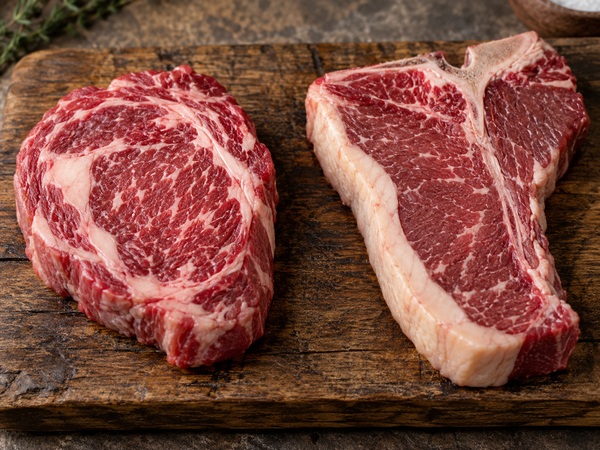
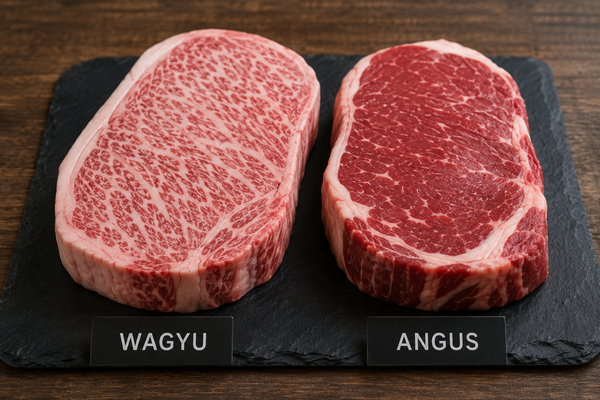
Marbling is one of the clearest signs of a quality cut. Those small white flecks of fat melt during cooking and create a juicy, rich bite that feels satisfying every time. Australian beef, especially Wagyu and premium Angus, often shows beautiful marbling that gives each cut its depth of flavour.
When fat is spread evenly through the muscle, the meat cooks more gently and stays tender even with simple preparation. Many home cooks notice a clear difference when they choose a well-marbled cut because it needs very little effort to taste incredible.
Whether you are grilling a steak or slow-roasting, marbling plays a major role in how enjoyable your meal becomes.
2. Breed, Feed, and Farming Practices
The breed of the animal and the way it is raised influence the quality of the meat more than many people realise. Grass-fed cattle often develop a strong natural flavour, while some grain-finished cattle deliver a softer and richer mouthfeel.
Australian farms place great focus on animal welfare, open pastures, and stress-free conditions, which all contribute to better texture and a cleaner taste. When animals grow in healthy environments, their meat develops desirable qualities that show in every bite.
Customers who choose reputable sources quickly notice how consistent the flavour becomes. Understanding the story behind the meat helps you select cuts that suit your cooking style and your budget while supporting farmers who prioritise quality.
3. Ageing and Butcher Skill
Ageing is another important part of producing a quality cut. Dry ageing allows natural enzymes to break down tough fibres, which results in a more tender bite and deeper flavour. Wet ageing in cryovac packaging also helps the meat relax and stay juicy.
The butcher’s skill matters just as much. A knowledgeable butcher trims, shapes, and portions each cut with care to ensure even cooking and proper presentation. When both ageing and expert preparation come together, you get meat that is tender, flavourful, and easy to cook at home.
This attention to detail is what sets premium suppliers apart and gives home cooks the confidence to prepare delicious meals with minimal fuss.
Understanding Australian Beef Grades and Labels

Choosing beef becomes easier when you understand the labels on the pack. These grades and certifications guide you toward cuts that match your taste, cooking style, and budget. Here is what each label really means for your plate.
1. MSA Grading and Eating Quality
The MSA system helps Australian buyers feel confident about the beef they choose. It considers factors like tenderness, juiciness, flavour, ageing, breed, and how the cattle were handled. When you see an MSA label, it signals meat that has passed strict quality checks.
Many home cooks trust MSA because it increases the chances of a consistently enjoyable meal. A steak with a higher MSA score often cooks more evenly and delivers a softer bite, even with simple seasoning.
This system guides shoppers toward cuts that perform well on the pan, grill, or smoker. For anyone who wants reliable eating quality without guesswork, MSA-graded beef is a great place to start, as it removes uncertainty and supports better results at home.
2. Wagyu Marble Scores Explained
Wagyu beef is famous for its rich marbling, and the marble score helps you understand exactly what kind of experience to expect. A higher score means more finely woven fat, which brings a buttery texture and fuller flavour when cooked.
Marble scores typically range from 3 to 9, with each step up offering a more indulgent mouthfeel. Home cooks appreciate this scale because it allows them to choose the right level of richness without paying for more than they need. A score of 4 or 5 suits everyday grilling, while higher scores work beautifully for special meals.
These labels help you pick Wagyu that matches your recipe, your budget, and the way you enjoy meat. Understanding marble scores takes the mystery out of premium beef and helps you choose with confidence.
3. Grass Fed, Grain Fed, and Organic Labels
These labels tell you how the cattle lived and what shaped the flavour of the beef. Grass-fed cattle graze on open pastures, which gives the meat a cleaner and slightly stronger flavour that many Australians love.
Grain-fed cattle receive a more energy-rich diet, which creates a softer texture and milder taste. Organic beef comes from farms that follow strict rules about feed quality and animal welfare. These differences matter because they influence not only flavour but also how each cut behaves when cooked.
Some people prefer the natural character of grass-fed beef, while others enjoy the smooth tenderness that grain-fed beef provides. These labels offer transparency so you can decide what suits your taste, cooking style, and values. With clear labelling, buying quality beef becomes a more informed and enjoyable experience.
The Essential Butchery Guide for Home Cooks

Choosing the right cut makes cooking feel easier and far more rewarding. When you understand how each cut behaves and what it needs, you start creating meals that taste consistently great. These core butchery insights help home cooks make better choices every time.
1. Understanding Primary Cut Categories and Their Qualities
Every part of the animal offers a unique experience, and learning these basics helps you choose cuts with confidence. Primal cuts such as the short rib, loin, and sirloin are naturally tender, which means they respond beautifully to quick cooking.
Shoulder, leg, and brisket sections contain more connective tissue that becomes tender only when cooked slowly. These differences matter because they directly influence flavour, texture, and cooking time. Home cooks often notice a clear improvement when they understand why certain cuts melt in the mouth while others need long, gentle heat.
Recognising these categories helps you avoid guesswork, prevents overcooking tender cuts, and ensures tougher cuts break down properly. Once you grasp this foundation, choosing the right meat for your recipe becomes second nature.
2. Trimming, Portioning, and Skilled Butcher Preparation
A well-prepared cut makes cooking smoother from the moment you open the pack. Proper trimming removes chewy membrane, excess fat, and uneven edges that can cause unpredictable cooking. Portioning is just as important because consistent thickness allows the meat to cook evenly and avoids dry or underdone spots.
A skilled butcher pays attention to detail, shaping the cut so it performs well whether grilled, roasted, or slow-cooked. This preparation reduces waste, improves tenderness, and helps you achieve the flavour you expect.
Home cooks often feel more at ease when they start with cuts that look neat and balanced because it sets the stage for a successful meal. Quality preparation saves time and gives you the confidence to focus on seasoning, timing, and presentation.
3. Choosing the Right Cooking Method for Each Cut
Cooking method has a powerful effect on texture and flavour. Tender cuts such as rib eye, scotch fillet, porterhouse, and sirloin thrive with quick, high-heat cooking that creates colour on the outside while keeping the inside juicy.
Cuts like brisket, chuck, shin, and short ribs contain more connective tissue and reward slow cooking that gently breaks the fibres down. Understanding these pairings helps you avoid the disappointment of a tough steak or a dry roast. It also gives you freedom to choose cuts that suit your schedule, budget, and cooking gear.
When you match the cut with the right technique, you bring out the natural qualities of the meat and create meals that feel satisfying without needing complicated steps.
4. How Fat Content Influences Flavour and Tenderness
Fat plays a major role in how enjoyable a cut becomes once cooked. Intramuscular fat, or marbling, melts gently and keeps the meat moist, which is why marbled cuts such as Wagyu or Angus rib eye taste so rich and tender.
External fat caps can protect the meat during roasting by slowing moisture loss. Leaner cuts like topside or eye fillet require more attention and often benefit from marinades or precise cooking to avoid dryness.
Understanding how fat behaves helps home cooks choose cuts that match their flavour preference and cooking style. Some people enjoy the bold taste of fattier cuts, while others prefer cleaner, leaner options. Knowing these differences helps you pick the right cut for the meal you want to create.
Choosing the Right Cut for the Right Cooking Method
Cooking feels much easier when you understand how different cuts respond to heat. Some cuts want fast fire, others prefer slow and gentle cooking. Matching the right cut with the right method helps you enjoy better flavour, texture, and confidence in the kitchen.
1. Quick High Heat Cooking for Naturally Tender Cuts

Tender cuts thrive with fast cooking because their fibres are already soft. Rib eye, sirloin, porterhouse, and scotch fillet are perfect for grilling or pan-searing. High heat creates a tasty crust while the inside stays juicy and tender.
These cuts do not need much seasoning or long preparation, which makes them ideal for busy nights or simple meals that still feel special. When you choose tender cuts for quick cooking, you reduce the chance of overcooking and keep every bite full of flavour.
Home cooks love these cuts because they deliver reliable results and require very little effort to shine.
2. Slow Cooking for Tough Cuts with Connective Tissue
Some cuts need patience to reveal their best qualities. Brisket, chuck, shank, and short ribs contain connective fibres that only soften with long, gentle heat. Slow cooking allows collagen to melt into gelatin, giving the meat a silky, melt-in-the-mouth texture.
Braises, slow cookers, ovens, and smokers all work beautifully for these cuts. They reward you with deep, comforting flavour and tender results that feel worth the wait. These cuts often offer great value and are ideal for meal prep or large family meals.
Once you understand the process, slow cooking becomes one of the most forgiving and satisfying methods.
3. Roasting for Cuts that Sit Between Tender and Tough
Roasting suits cuts that are not overly tender but do not require lengthy cooking either. Lamb leg, beef rump, pork loin, and whole chickens benefit from steady oven heat that cooks the meat evenly. The outside develops gentle colour while the inside stays juicy.
Roasting also allows you to control temperature and timing more precisely. Many home cooks enjoy this method because it creates impressive meals with minimal fuss. It also frees you to prepare side dishes while the oven does most of the work. When matched with the right cut, roasting produces consistent and crowd-pleasing results.
4. Braising for Cuts that Need Moisture and Time
Braising combines gentle heat with liquid, which helps break down tougher cuts without drying them out. Cuts like blade, osso buco, beef cheeks, and lamb shanks perform incredibly well with this method.
The liquid keeps the meat moist while slow cooking builds deep, rich flavour. Aromatics, herbs, stock, and wine all contribute to the final taste. Braising is a reliable way to transform inexpensive cuts into comforting, restaurant-style dishes.
Many home cooks enjoy braising because it is simple, forgiving, and ideal for batch cooking. With a little time and patience, braising turns tough cuts into tender, flavour-packed meals.
5. Smoking for Cuts that Need Low and Slow Heat
Smoking uses low, steady heat and wood flavour to produce tender, flavourful meat. Cuts like brisket, pork shoulder, ribs, and beef short ribs respond beautifully to this method because the slow process melts connective tissue while adding rich smokiness.
Smoking takes time but rewards you with a unique texture and flavour that cannot be replicated in a pan or oven. Many home cooks find smoking enjoyable because it feels hands-on and creative. It also works well for larger cuts that feed a crowd.
When you choose the right cut for smoking, the results are impressive, memorable, and perfect for weekends or celebrations.
6. Sous Vide for Precision and Consistent Tenderness
Sous vide is a gentle and reliable cooking method that gives you complete control over temperature. The meat is sealed in a bag and placed in a warm water bath that holds a precise heat level.
This allows the cut to cook evenly from edge to centre without risking overcooking. Tender cuts like eye fillet, rib eye, or sirloin become incredibly soft, while tougher cuts can be cooked slowly to achieve impressive tenderness. After the water bath, a quick sear in a hot pan adds colour and flavour.
Home cooks enjoy sous vide because it removes guesswork and delivers restaurant-style results with little effort. It is perfect for anyone who wants consistent texture, reliable doneness, and stress-free cooking.
How to Buy Meat Online in Australia with Confidence

Buying meat online can feel easy when you know what to look for. A trusted supplier should be clear about where the meat comes from, how it is handled, and how it reaches your door in perfect condition.
Transparency around farm practices, breed information, ageing methods, and storage processes helps you feel confident about every order. Packaging also matters because good insulation and reliable cold chain handling protect quality throughout delivery.
Carnivore Society stands out by offering premium cuts sourced directly from farms that focus on animal welfare and flavour-driven farming. Every product is packed with care, stored at the right temperature, and delivered through a dependable system that keeps your meat fresh from paddock to plate.
Free shipping thresholds make it easier to stock your freezer at no additional cost, while curated farm stories help you understand exactly what you are buying. With a supplier that values quality and honesty, buying meat online becomes a simple and enjoyable part of your weekly routine.
Storage, Handling, and Preparation Tips for Better Results
Good meat stays great when you store and prepare it with care. Simple habits at home can protect flavour, improve tenderness, and help you get more value from every order. These tips guide you toward fresher results and smarter buying choices.
1. Keep Meat Fresh with Proper Fridge and Freezer Storage
Freshness depends on steady, safe temperatures. Keep your fridge set between one and four degrees Celsius to slow bacterial growth and protect flavour. Cryovaced cuts store especially well because the sealed packaging keeps oxygen out and helps the meat stay stable for longer.
Use the coldest shelf for raw meat and freeze anything you plan to keep for more than a few days. For freezing, wrap cuts tightly or leave them in their cryovac to prevent dryness. Slow thawing in the fridge protects tenderness far better than leaving meat on the bench. These simple steps let you buy confidently and plan meals ahead without worrying about waste.
2. Handle Meat Gently to Preserve Quality and Cooking Performance
Small handling habits can make a noticeable difference in texture. Pat meat dry before cooking to help it brown properly, but avoid squeezing or pressing it because this can release natural juices. Keep raw meat separate from other foods to maintain hygiene, and use clean knives and boards.
Allow the meat to rest at room temperature for a short time before cooking so it heats more evenly. These gentle steps support the natural tenderness already present in premium cuts. When you treat the meat with care from the moment you unpack it, you help it cook more predictably and taste better on the plate.
3. Prepare Each Cut with the Cooking Method in Mind
Good preparation makes cooking easier. Trim only what you need because fat adds flavour and protects the meat while it cooks. Season generously with simple ingredients so the natural taste shines. Thicker cuts benefit from a short rest before hitting the heat, while slow-cooked cuts often taste better when browned first.
Always rest cooked meat before slicing because this helps the juices settle and prevents dryness. Preparing cuts intentionally lets you get the most out of the quality you paid for. Even basic home recipes taste richer when you take a few thoughtful steps before cooking.
4. Use Cryovac and Bulk Buying to Get Better Value at Home

Cryovac packaging gives home cooks flexibility because it extends freshness and makes bulk buying easier. This helps you save on shipping, take advantage of value packs, and keep a well-stocked freezer without sacrificing quality.
Carnivore Society products arrive in cryovac that protects flavour and makes long-term storage simple. Meat boxes are popular for this reason because they offer variety, great value, and reliable freshness.
With proper freezing and thawing habits, you can portion your order and enjoy premium cuts throughout the week. Bulk buying also supports meal prep and reduces last-minute shopping, making your kitchen routine more convenient.
Popular Cuts Loved by Australian Buyers
Australian buyers know a good cut when they taste one, and certain favourites always rise to the top. These popular choices offer flavour, value, and dependable results in any kitchen.
1. Scotch Fillet for Rich Flavour and Tenderness
Scotch fillet is one of Australia’s most loved cuts because it delivers a perfect mix of tenderness and juicy flavour. The natural marbling melts during cooking and creates a rich, satisfying bite that feels special without much effort.
It works beautifully on the grill or in a hot pan, making it ideal for quick weeknight meals or relaxed weekend cooking. Many buyers choose scotch fillet because it cooks predictably and tastes great with simple seasoning. It is a favourite for those who enjoy a premium steak experience at home.
2. Porterhouse for Balanced Texture and Great Value
Porterhouse is a popular choice because it offers both tenderness and value in one reliable cut. The leaner side stays firm yet tender, while the strip of fat adds flavour during cooking. This balance makes it a go-to option for family meals and gatherings.
Porterhouse cooks well on high heat and develops a beautiful crust that highlights its natural beefiness. Many Australians appreciate this cut because it feels like a premium steak without the premium price. With simple preparation, porterhouse consistently delivers a satisfying result on the plate.
3. Brisket for Low and Slow Weekend Cooking
Brisket has become a favourite for home cooks who enjoy slow, rewarding cooking sessions. Its connective tissue transforms into tender, juicy meat when given time in a smoker, slow cooker, or oven. The flavour deepens as it cooks, creating a comforting and hearty meal that suits gatherings and leftovers alike.
Australians love brisket for its versatility and value because it can be used for slices, pulled meat, or next-day recipes. When treated with patience, brisket delivers rich, memorable flavour that feels worth the effort.
4. Lamb Racks for Special Meals and Impressive Presentation

Lamb racks are a popular choice for special occasions because they look elegant and cook beautifully with minimal fuss. The tender meat takes on seasoning well and develops a lovely crust when roasted or pan-seared.
Many Australian buyers choose lamb racks for celebrations or dinners where presentation matters, but they also suit simple meals thanks to their natural tenderness. The mild yet distinctive flavour makes them a favourite for both seasoned cooks and beginners. With a little care, lamb racks create a meal that feels restaurant-quality at home.
5. Pork Shoulder for Versatility and Crowd-Pleasing Meals
Pork shoulder is loved for its forgiving nature and wide range of uses. It softens beautifully through slow cooking and becomes tender enough to shred or carve easily. Families appreciate this cut because it feeds many people without costing much, and it suits flavours from sweet glazes to savoury rubs.
Home cooks often choose pork shoulder for pulled pork, roasts, or meal prep that lasts several days. Its rich flavour and dependable texture make it a trusted favourite for gatherings, batch cooking, and relaxed weekend meals.
Why Carnivore Society is a Leading Source of Quality Meat in Australia
Choosing the right supplier matters just as much as choosing the right cut. Carnivore Society gives buyers confidence by offering premium meats, honest sourcing, reliable delivery, and a commitment to quality that stands out across Australia.
- Farm direct sourcing: Carnivore Society works closely with trusted Australian farms that prioritise animal welfare, natural feeding practices, and consistent quality. This creates a clear connection between the buyer and the origin of each cut.
- Premium grading and honest product information: Every product listing includes breed details, marbling grades, weight accuracy, and storage guidance. This transparency helps customers make informed choices and feel confident in what they are buying.
- Careful cryovac packaging: All meats are packed in durable cryovac to protect flavour, extend freshness, and support safe transport. This allows customers to store or freeze their order with confidence.
- Reliable cold chain delivery: Orders travel through a controlled temperature network that keeps meat fresh from farm to doorstep. This dependable system removes the stress of buying premium meats online.
- Free shipping thresholds: Customers can save on delivery costs by reaching generous free shipping limits. This encourages smarter, more cost-effective bulk buying for families, meal prep, and home cooks.
- Popular meat boxes for variety and value: Curated boxes offer a selection of premium cuts at competitive pricing. They are ideal for weekly planning and help customers enjoy both everyday favourites and special treats.
- A trusted community of repeat buyers: Carnivore Society continues to grow through positive reviews and word of mouth. Many customers return because they experience consistency, flavour, and service that align with premium standards.
Frequently Asked Questions
1. What is the best way to choose a quality cut online?
Look for clear information about marbling, farming practices, grading, and cut descriptions. A trusted supplier will tell you exactly what you are buying. Carnivore Society provides detailed product notes, breed information, and accurate weights to help you choose with confidence.
2. How long does cryovaced meat stay fresh in the fridge?
Cryovaced meat generally lasts longer because most of the oxygen has been removed. When stored between 1 and 4 °C, many cuts remain fresh for several weeks. Always check the packed-on date and follow safe storage guidelines.
3. What cuts are best for quick weeknight meals?
Scotch fillet, porterhouse, eye fillet, and sirloin cook quickly and stay tender with minimal preparation. These cuts need only light seasoning and high heat to deliver flavourful results, making them ideal for busy schedules.
4. Which cuts offer the best value for slow cooking?
Brisket, chuck, shank, beef cheeks, and pork shoulder offer excellent value and produce deep, comforting flavours when cooked slowly. These cuts soften over time and are perfect for meal prep or feeding larger groups.
5. How does Carnivore Society keep meat fresh during delivery?
All products are packed in cryovac and delivered through a temperature-controlled network that protects freshness from farm to doorstep. This process ensures the meat arrives firm, chilled, and ready for storage or cooking.
6. Are bulk meat boxes a good option for families or meal prep?
Yes. Meat boxes offer variety, strong value, and flexible cryovac packaging that stores well in the fridge or freezer. They suit weekly planning and help reduce last-minute food shopping.
Savour Every Cut You Choose
Great meals begin long before the pan heats up, and with the right cuts and smart buying habits, every dinner can feel richer, easier, and far more satisfying. Without this knowledge, it becomes easy to overspend, miss out on flavour, or settle for meat that never reaches its full potential.
When you choose well and store with care, you enjoy tenderness, confidence, and value in every bite. Now is the perfect moment to bring better meat into your kitchen. Visit Carnivore Society today and choose premium cuts that turn everyday cooking into something worth savouring.