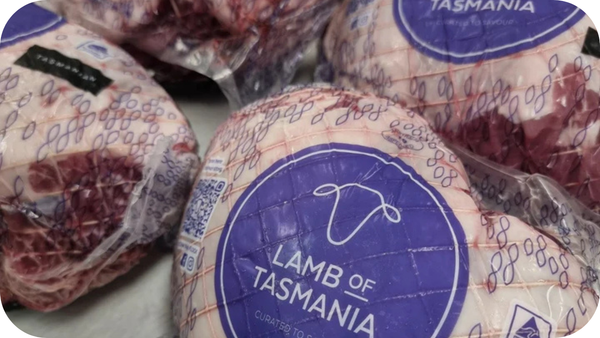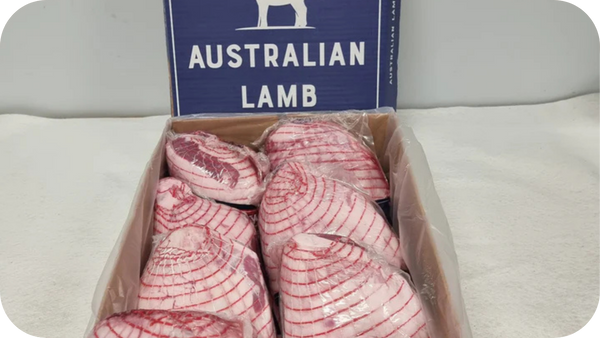

Picture a thick ribeye hitting a hot pan, the sizzle rising as the aroma fills your kitchen and hints at a great meal ahead. Maybe it is a slow-cooked brisket ready for the weekend barbecue or a fresh box of premium cuts waiting to be turned into something special.
Cooking at home feels more rewarding when you know you have the right cut and the right method for the job. This guide breaks down the most popular premium cuts in Australia and shows you simple cooking tips that help home chefs get delicious results every time.
What Defines a Premium Beef Cut in Australia
Premium meat is more than a label you spot at the butcher. It reflects how the animal was raised, how the meat was handled, and why certain cuts deliver flavour and tenderness that feel genuinely memorable at home.
1. Breed and Genetics
Different breeds create noticeably different eating experiences, which is why genetics play such a central role in premium meat across Australia. Wagyu is known for its rich marbling and buttery texture, while Angus beef offers a balance of tenderness and bold beef flavour that many home cooks trust for everyday meals.
Farmers and breeders select lines that consistently produce strong muscle structure, ideal fat distribution and dependable quality. These traits do not just appear by chance. They are the result of careful breeding programs that focus on carcass quality, temperament and natural growth patterns.
When you choose a cut with strong genetic foundations, you are choosing meat that cooks predictably, tastes better and feels more enjoyable on the plate.
2. Marbling Levels and Grading
Marbling is often the first thing chefs look for because those tiny streaks of intramuscular fat melt during cooking and create tenderness that feels satisfying in every bite. In Australia, meat graders use clear scoring systems to help buyers understand quality at a glance.
Marble scores show how much fat is present within the muscle, while MSA grading reflects tenderness, colour, pH and eating quality. These standards give home cooks confidence because the scores consistently match the experience on the plate.
Cuts with higher marbling stay juicy under high heat and offer a rich mouthfeel that does not rely on complicated cooking techniques. Good marbling also improves flavour carry through, which means your seasoning and natural juices work together with less effort.
3. Farming Practices and Feed Quality

The way an animal is raised influences flavour more than many people realise. Australian farmers who focus on natural grazing, open pasture systems and consistent feed quality produce meat with a cleaner flavour and better tenderness.
Grass-fed and grass-finished programs create a distinct taste that feels earthy and honest, while grain finishing can offer a slightly richer and more rounded profile. Ethical farming also matters because animals that live in low-stress environments develop better muscle texture and more stable fat.
Healthy animals grow at a natural pace, which leads to balanced marbling and dependable cooking performance. When you buy premium meat, you are supporting farmers who invest in soil health, feed quality and animal welfare, which all shape the final result on your plate.
4. Professional Butchery and Cut Precision
Even the best-bred and best-raised animal can fall short if it is not prepared by skilled hands. Professional butchers understand muscle structure and know how each section should be trimmed to cook well in a home kitchen.
They remove tough membranes, shape the cut for even cooking and portion the meat so every piece behaves predictably in the pan. A well-prepared scotch fillet will sear evenly without curling, and a neatly trimmed brisket will smoke with smoother fat rendering.
Good butchery also protects the integrity of the meat during storage, which helps maintain freshness and flavour. When a cut is handled with care from paddock to packaging, you feel the difference the moment it hits the heat.
5. Tenderness
Tenderness is one of the qualities home chefs notice first because it shapes the entire eating experience. Cuts from muscles that do less work tend to feel softer and finer in texture, while hardworking sections develop firmer fibres that need slower cooking.
Australian beef programs focus heavily on tenderness because it affects how confidently people can cook at home. Natural ageing, animal wellbeing and proper chilling all help the muscle relax and hold moisture.
When a cut is naturally tender, it cooks more evenly, responds well to high heat and needs fewer steps to achieve a satisfying result. Choosing a cut known for tenderness gives you predictable cooking, gentle texture and a meal that feels enjoyable with every bite.
6. Flavour Profile
Flavour is shaped by breed, diet, age and even the landscape the cattle graze on. Some cuts offer a clean, mild taste that suits simple seasoning, while others carry deeper, richer notes that stand out in hearty meals.
Australian beef often has a distinctive character thanks to open pastures, coastal climates and varied grasses. Marbling also influences flavour because the fat melts and carries aroma through each bite.
Grain-finished meats can develop a round sweetness, while grass-fed programs offer an earthier, more honest flavour. Understanding flavour helps home chefs choose cuts that match their cooking style and the dishes they enjoy most. When flavour aligns with technique the final meal feels naturally balanced and satisfying.
7. Sourcing and Terroir
Where the cattle come from and how they live has a noticeable impact on the quality of the meat. Terroir influences everything from the soil the pastures grow in to the climate that shapes the animals’ diet.
Australian regions such as Tasmania, Gippsland and Cape Grim are known for cool air, steady rainfall and nutrient-rich grasses that result in clean, vibrant flavour. Responsible sourcing also ensures the cattle are raised with low-stress practices, which supports tenderness and balanced fat development.
Home chefs benefit from this because the meat behaves predictably in the kitchen and tastes consistently good. When you choose beef with clear sourcing and regional identity you are choosing a product shaped by the land as much as by the farmer.
Essential Premium Cuts Every Home Chef Should Know
Premium cuts each bring their own personality to the kitchen. Some offer rich marbling, others shine with tenderness or bold flavour. Understanding what makes each cut special helps home chefs choose confidently and cook with genuine enjoyment.
1. Ribeye
Ribeye is often the first choice for home chefs who want rich flavour without any fuss. Its marbling stands out the moment you slice into it. Those fine threads of fat melt gently during cooking and create natural juiciness that feels indulgent on the plate.
Ribeye comes from a section of the animal that stays relatively relaxed which gives the cut a tender, buttery texture. The flavour can feel deep and slightly sweet, especially when sourced from Australian grass-fed or grain-finished cattle.
Good ribeye responds well to simple seasoning and strong heat which makes it ideal for pan searing or grilling. Many home cooks love ribeye because it gives restaurant-style results with very little effort and always feels satisfying to serve.
2. Porterhouse
Porterhouse suits home chefs who want a well balanced steak with both tenderness and flavour. It includes the strip on one side and a smaller portion of tenderloin on the other which means you get two textures in one cut.
The marbling is usually moderate and melts just enough to keep each bite juicy without overwhelming the palate. Tenderness varies naturally across the cut but the experience remains consistently enjoyable. Australian porterhouse often carries a clean beefy flavour shaped by pasture-based diets and careful raising practices.
This cut shines with straightforward cooking. A hot grill or pan and a short resting time bring out its best qualities. Many cooks choose porterhouse when they want a hearty steak that feels familiar, reliable and full of character.
3. Eye Fillet
Eye fillet is known for softness that feels almost luxurious. It comes from a muscle that does very little work which explains its fine grain and gentle texture. Marbling is lighter compared to other premium steaks but the lean profile lets the natural flavour shine cleanly.
Australian eye fillet has a mild, delicate taste that pairs well with simple seasoning, herb butters or classic sauces. Because it cooks quickly, home chefs appreciate how easy it is to work with. A hot sear and a short cook time give the best results.
Eye fillet also suits special occasions because the shape and uniformity make it easy to portion and present. Home cooks enjoy it when they want tenderness above all else and a steak that always feels refined.
4. Brisket

Brisket rewards patience and is prized by home chefs who enjoy slow cooking. The cut is rich with connective tissue and deeper seams of marbling that break down over time. This transformation is what creates the signature tenderness and juicy texture people love.
Because brisket comes from a hardworking muscle it starts firm but becomes incredibly soft when cooked low and slow. Australian brisket often benefits from grass fed farming which contributes an earthy, honest flavour.
Smoking, slow roasting or braising turns brisket into a centrepiece full of character. Home cooks appreciate its generous size and how well it absorbs rubs, marinades and wood smoke. Brisket is perfect for relaxed weekend cooking where the reward comes from time, care and simple technique.
5. Short Ribs
Short ribs offer a rich, hearty experience and suit home chefs who enjoy comforting, slow-cooked meals. The marbling in this cut is quite noticeable and melts beautifully over long cooking times. This gives short ribs their silky texture and deep, almost caramel-like flavour.
Because the cut comes from a well used section, tenderness only emerges after gentle slow heat which makes braising, smoking, pressure cooking, slow cooking ideal. Australian short ribs carry a robust taste shaped by grass fed diets and natural grazing conditions.
They absorb flavour effortlessly and work well with broths, wine reductions and aromatic spices. Home cooks enjoy short ribs because the results feel impressive yet achievable. The dish often tastes like something served in a high end restaurant.
6. T Bone
T bone is loved for its classic steakhouse appeal. It features both the strip and a small piece of tenderloin separated by a bone which adds subtle flavour during cooking. The marbling sits mainly on the strip side and helps create an enjoyable balance of tenderness and juiciness.
The bone also helps maintain moisture. Australian T-bone often has a bright, clean taste thanks to pasture-raised cattle and well-managed farming practices. This cut responds beautifully to grilling and benefits from a good initial sear.
Home chefs enjoy T-bone because it feels generous, satisfying and easy to cook. It is a great choice for casual barbecues or family dinners when you want a steak that offers variety in every bite.
7. Tomahawk
Tomahawk is a showpiece cut that brings excitement to any kitchen. Its long rib bone gives it a dramatic look and helps retain heat as the meat cooks. Marbling is usually strong which explains the rich flavour and juicy texture.
The tender ribeye portion cooks evenly and offers a buttery mouthfeel. Australian tomahawk often carries a rounded flavour shaped by open pastures and quality feed. Many home chefs reverse sear tomahawk by starting it gently in the oven before finishing it in a hot pan or on the grill.
This method highlights both tenderness and crust. People choose tomahawk for celebrations or weekend feasts because it feels theatrical, generous and surprisingly approachable once you understand its cooking rhythm.
8. Rump Cap

Beef Rump Cap, also known as picanha, has become a favourite among home chefs who want flavour without overspending. The cut features a firm yet tender texture and a distinctive fat cap on top.
During cooking, the fat slowly renders and bastes the meat which creates juiciness and depth. Marbling is moderate but the flavour is bold and slightly nutty. Australian rump cap often reflects the natural grasses the cattle graze on which gives it a clean, honest character. It grills well, slices beautifully and works for both casual meals and entertaining.
Home cooks enjoy rump cap because it offers a great balance of tenderness, flavour and value. When sliced against the grain, it feels soft and full of character.
9. Lamb Shoulder
Lamb shoulder is perfect for slow-cooked meals that feel warm and comforting. It contains generous marbling and connective tissue that soften beautifully over long cooking periods. This is what gives the cut its melt in the mouth texture.
Australian lamb shoulder has a naturally sweet, grassy flavour shaped by open pasture grazing and careful animal husbandry. It works well with aromatic herbs, garlic and gentle spices. Home chefs often roast it low and slow until the meat pulls apart easily.
Lamb shoulder is appreciated for its reliability and forgiving nature. Even cooks with little experience can create a tender, flavourful meal that feels special. The leftovers also reheat well which makes the cut practical for family cooking.
10. Lamb Rack
Lamb rack feels delicate and elegant which makes it a popular choice for special dinners at home. The cut features fine marbling that keeps each chop juicy while still feeling refined. It comes from a tender part of the animal which explains the soft texture and mild flavour.
Australian lamb racks are known for their clean, grassy taste and consistent quality. They cook quickly which suits busy home chefs or anyone preparing a meal that needs to look impressive with minimal effort.
A gentle sear followed by roasting gives the best results. Lamb rack pairs well with simple herbs, crusts or glazes. Home cooks love it for its presentation as well as its versatility.
11. Chuck Roll
Chuck roll is a hidden gem for home chefs who enjoy full-flavour and tender, slow-cooked dishes. It has generous marbling throughout which melts during long cooking and creates a silky, hearty texture.
Because the cut comes from a well-used section, it needs slow heat to reveal its tenderness. Australian chuck roll often carries a deep, savoury taste shaped by natural grazing and good farming practices. It works beautifully in braises, stews, pulled beef or slow-roasted preparations.
Many home cooks choose chuck roll because it feels comforting, reliable and rich. It is also great for batch cooking and meal prep. When cooked patiently, chuck roll turns into a dish that feels both warming and satisfying every time.
How to Choose the Right Cut for Your Cooking Method

Choosing the right cut can feel simple once you understand how different muscles react to heat, time and technique. Each cut behaves differently in the kitchen, so matching it to the right method leads to better flavour and tenderness every time.
1. High Heat Searing and Grilling
High heat suits cuts that already have natural tenderness and enough marbling to stay juicy under strong temperatures. Ribeye, porterhouse, eye fillet, tomahawk, T-bone and cube roll steak all respond beautifully to a hot pan or grill because their fat melts quickly and enriches the meat from within.
These cuts cook fast which suits home chefs who enjoy simple, reliable meals without long preparation times. A good sear builds flavour while a short resting period allows the juices to settle.
Australian grass-fed beef often shines with this method because the flavour stays bright and clean. This approach works well for weeknight dinners, casual barbecues or moments when you want a steak that tastes impressive with minimal effort and easy timing.
2. Low and Slow Braising or Smoking
Low-and-slow cooking transforms firm, hardworking cuts into meals that feel soft, rich, and comforting. Brisket, short ribs and chuck roll all contain connective tissue that needs gentle heat over several hours.
As the fibres break down, the meat turns tender and the flavour becomes deep and satisfying. This method suits home chefs who enjoy relaxed weekend cooking or meals that can simmer away without constant attention. Australian beef from pasture raised cattle often develops a warm, earthy character that fits slow cooking beautifully.
Braising liquids, rubs, spices and wood smoke all add personality to the dish. Many people choose this method because the results feel generous and rewarding and the leftovers often taste just as good the next day.
3. Roasting for Family Meals
Roasting works best for cuts that offer both structure and tenderness. Rump cap, lamb rack and lamb shoulder each bring something unique to the table. Rump cap develops a beautiful crust while the fat cap slowly bastes the meat.
Lamb rack cooks quickly and suits elegant dinners. Lamb shoulder, with its natural marbling, becomes soft and full of flavour when roasted low and slow. Roasting also fills the home with aromas that feel warm and comforting which is part of why people enjoy this method.
Australian lamb is especially rewarding to roast because its grassy, clean flavour pairs effortlessly with herbs, garlic and simple seasonings. Home chefs appreciate roasting because it feels straightforward and produces meals that look impressive without complicated steps.
4. Meal Prep and Weekly Cooking
Some cuts suit meal prep because they reheat well and hold their flavour and tenderness over several days. Chuck roll, brisket and short ribs are excellent for this because slow cooking creates moisture that remains even after storing in the fridge.
Rump cap also works well for slicing into salads, lunches and quick dinners. Many home chefs find it easier to stay organised when they cook larger cuts that can be enjoyed in several different ways throughout the week.
Australian beef from grass fed programs often keeps a clean, robust flavour after reheating which makes it practical for planned meals. This method helps reduce waste and supports busy households that want homemade meals without starting from scratch every day.
Cooking Guides for Australian Home Chefs

Great cooking does not rely on complex techniques. With the right approach, any home chef can create flavour, tenderness and confidence in the kitchen. These simple guides help you cook premium cuts in a way that feels enjoyable and achievable.
1. Mastering Steak Cooking at Home
Cooking steak at home becomes much easier once you understand how heat and timing work together. Start by bringing the steak to room temperature so it cooks evenly. Pat it dry for better browning, then season generously with salt.
A hot pan or grill is essential because high heat creates a flavourful crust. Once the steak has seared on both sides, use touch or a thermometer to gauge doneness. Resting the steak allows the juices to settle which makes every slice tender.
Australian beef responds beautifully to simple cooking which is why many home chefs rely on this method. It delivers reliable results, tastes impressive and gives you the confidence to cook premium cuts any night of the week.
2. Smoking and Slow Cooking Fundamentals
Smoking and slow cooking suit cuts with connective tissue that transforms over time. Temperature control is the key. Keep the heat low and steady to allow the meat to soften gradually.
Brisket, short ribs and chuck roll all thrive with this approach. Wood choice influences the final flavour, so try mild options like apple or stronger ones like ironbark depending on the result you want. A simple rub helps form a flavourful crust during the cook. Patience matters because tenderness develops slowly.
Australian beef often carries a natural richness that pairs well with smoke and long braises. Home chefs enjoy this method because it is forgiving, satisfying and perfect for relaxed weekends where the cooking process becomes part of the experience.
3. Roasting Essentials for Beef and Lamb
Roasting rewards simple preparation. Start by choosing a cut that suits the occasion. Lamb shoulder for slow comfort, lamb rack for quicker elegance or rump cap for something hearty and versatile.
Seasoning can stay uncomplicated because the heat does much of the work. A high initial temperature helps create a crust, then lowering the heat ensures even cooking. Using a meat thermometer removes guesswork and keeps the roast tender and juicy.
Resting is important because it helps retain moisture. Australian lamb and beef both carry natural flavour shaped by open pasture grazing which means you can pair them with herbs, garlic and classic vegetables. Roasting creates meals that feel generous and warm without requiring difficult steps.
4. Knife Skills and Slicing Tips
Good knife skills improve texture, tenderness and overall enjoyment. These simple tips help home chefs get more value from premium cuts.
- Use a sharp knife: A sharp blade glides through the meat, prevents tearing and keeps the fibres intact which improves texture and presentation.
- Slice against the grain: Identify the direction of the muscle fibres and cut across them. This shortens each strand and creates tenderness with almost no extra effort.
- Let the meat rest before slicing: Resting allows the juices to settle which keeps the slices moist and flavourful instead of losing liquid on the board.
- Use long, steady strokes for large cuts: Brisket, chuck roll and roasts benefit from smooth slicing rather than short choppy movements which can cause uneven pieces.
- Trim only when needed: Remove excess fat if it feels bulky, but keep enough to preserve flavour. Some natural fat adds richness and moisture.
- Keep the natural shape in mind: Australian beef and lamb hold their structure well when sliced correctly which enhances tenderness and makes the meal more enjoyable.
Storing, Ageing and Handling Premium Meat at Home
Premium meat stays at its best when it is stored, aged and handled with a little care. These simple habits help home chefs protect tenderness, flavour and freshness from the moment the box arrives until the meal is ready to cook.
1. Cryovac Handling and Shelf Life

Cryovac packaging keeps meat fresher for longer by removing oxygen and slowing natural spoilage. Once your order arrives, store the packs in the coldest part of the fridge and keep the temperature steady between one and four degrees Celsius.
The meat may darken slightly inside the pack which is normal. When opened, it should regain its bright colour after a short time in the air. Always check the date provided and plan meals accordingly.
If you do not intend to cook the meat within the recommended window, freeze it while still sealed to maintain quality. Many home chefs appreciate storing cryovac meat at home, because it protects tenderness and flavour during the delivery process. When handled correctly, premium beef and lamb stay fresh and reliable.
2. Freezing and Thawing Without Flavour Loss
Freezing can preserve premium meat beautifully when done with care. Keep the cut in its original cryovac or wrap it tightly to avoid ice crystals forming. A well-sealed package helps maintain texture and prevents freezer dryness.
When you are ready to use the meat, thaw it slowly in the fridge rather than on the bench. This gentle method protects the muscle fibres and keeps the juices where they belong. Patting the surface dry before cooking helps create a better crust.
Australian beef and lamb hold their flavour well after freezing when the process is controlled. Many home chefs rely on this approach for busy weeks because it allows them to enjoy premium cuts without rushing to cook them immediately.
3. Understanding Dry Ageing and Wet Ageing
Dry and Wet Ageing beef deepens flavour and improves tenderness by allowing natural enzymes to soften the meat over time. Dry ageing exposes the cut to controlled air flow which concentrates the flavour and creates a nutty, rich character that many people enjoy.
Wet ageing happens inside cryovac and keeps the meat in its own juices which leads to a clean, tender result. Both methods have their own strengths. Dry-aged beef feels more intense, while wet-aged beef remains soft and approachable. Australian producers use both techniques depending on the cut and the desired experience.
Home chefs often enjoy experimenting with aged meat because the differences are noticeable and interesting. Ageing gives premium cuts a personality that feels special without needing complicated cooking.
4. Safe Handling and Preparation
Safe handling protects the quality of your meal and keeps the kitchen environment clean. Always wash your hands before and after touching raw meat and use separate boards for meat and vegetables to prevent cross-contact.
Keep the fridge cold and place meat on a lower shelf to avoid drips onto other foods. When marinating, store the meat in the fridge rather than at room temperature. Once you are ready to cook, avoid leaving raw cuts out for long periods.
Patting the surface dry helps with browning which improves flavour. These steps may seem small but they make a real difference to food safety and final taste. Home chefs appreciate how simple habits help premium cuts shine on the plate.
Carnivore Society Recommended Products for Home Chefs in Australia

Choosing the right premium cuts becomes even easier when you know which products deliver consistent tenderness and flavour at home. These trusted Carnivore Society picks give home chefs quality they can rely on, whether it is a simple dinner or a weekend feast.
1. Bass Strait Scotch
Bass Strait Scotch is a favourite for home chefs who want rich flavour without complicated cooking. The marbling melts beautifully during a sear which creates natural juiciness and a buttery texture.
The cattle are raised in cool coastal conditions where the pasture stays green for much of the year and this gives the beef a clean, rounded flavour. Home cooks love this Scotch Fillet because it performs consistently.
A hot pan or grill is all it needs to shine. The cut holds its moisture well, which makes it forgiving for beginners while still impressive for steak lovers who enjoy restaurant-quality meals at home. It suits quick weeknight dinners as well as relaxed weekend grilling.
2. Southern Ranges Scotch Cuberoll MB4 Plus
Southern Ranges Scotch Cuberoll MB4 Plus delivers noticeable marbling that home chefs appreciate the moment it hits the heat. The fat melts slowly during cooking which creates tenderness and a rich mouthfeel.
The cattle are grass-fed and finished, which gives the beef a natural sweetness and depth. This cut suits anyone who enjoys a strong beef flavour without needing advanced cooking techniques. A simple seasoning and a steady sear bring out its best qualities.
Many home cooks choose this Cuberoll because it feels premium yet approachable. It is ideal for special occasions, family dinners or any moment when you want a steak with bold flavour. It also slices beautifully which makes it great for shared meals.
3. Cape Grim Mixed Box (Grass Fed and Finished)
The Cape Grim Mixed Box suits home chefs who want variety without sacrificing quality. This seasonal box includes Porterhouse, Scotch and Eye Fillet which are pre sliced and ready to cook.
Each cut offers something unique which makes the box ideal for weeknight meals, entertaining or learning more about different steak styles. The grass-fed and finished program at Cape Grim gives the beef a clean flavour shaped by Tasmania’s cool climate and natural pastures. Home cooks appreciate how convenient this box is.
It removes guesswork, provides premium cuts in one package and works for families who enjoy different textures and tastes. It is a practical way to experience high-quality Australian beef with ease.
4. Wagyu Brisket

Wagyu Brisket feels luxurious even before it cooks. The generous marbling softens slowly during long, gentle heat which turns the cut into something tender, juicy and deeply flavourful. Home chefs who enjoy smoking or slow-roasting appreciate how forgiving Wagyu Brisket is.
The fat helps protect the meat and keeps it moist throughout the cook. Australian Wagyu programs also focus on careful breeding and responsible feeding which enhances the natural richness.
Brisket suits relaxed weekends where the cooking becomes part of the experience. It absorbs rubs and marinades beautifully and pairs well with bold spices or simple seasoning. For home cooks seeking a standout low-and-slow cut, Wagyu Brisket is always a rewarding choice.
5. Beef Short Ribs
Beef Short Ribs offer a comforting, slow cooked experience that many home chefs return to again and again. The marbling melts over time which creates tenderness that feels silky and full of character.
Australian Short Ribs have a naturally rich profile shaped by pasture-based diets, which means they do not need complicated seasoning. A simple spice rub or a gentle braise does the job. They suit smokers, ovens and pressure cookers and always produce a generous flavour.
Home cooks appreciate how forgiving this cut is and how easily it adapts to different sauces and broths. Short Ribs also make great leftovers which is an added benefit for busy households. The final dish often tastes like something from a high-end restaurant.
Let Quality Guide Your Next Meal
Great cooking becomes easier when you understand how each cut works and how simple methods unlock tenderness and flavour at home. Picture the confidence that comes from choosing the right steak, mastering the sear and serving a meal that feels genuinely satisfying.
Waiting too long or guessing your way through cooking often leads to missed flavour, wasted meat and moments that fall flat. With the right knowledge, every dish becomes an opportunity to enjoy premium Australian beef and lamb with ease.
Start cooking with confidence and choose your next premium cut from Carnivore Society today.