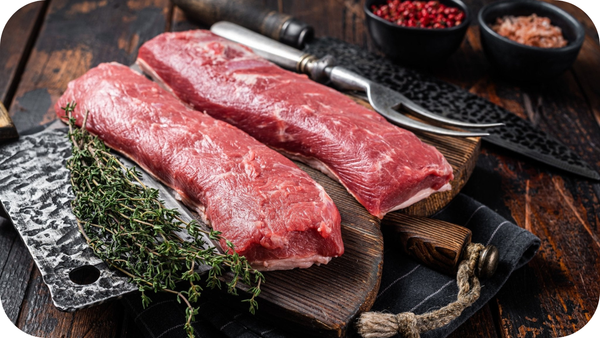

A juicy lamb rack hitting a hot pan can fill the kitchen with a warm aroma that instantly feels like home. Moments like this remind you why choosing the right cut matters, whether you are planning a Sunday roast, firing up the barbecue, or slow cooking something rich and comforting.
Premium lamb offers flavour, tenderness, and versatility that suit every Aussie kitchen. This guide walks you through the best cuts, when to use them, and the cooking methods that bring out their full potential so you can prepare lamb with confidence every time.
Understanding Premium Lamb Cuts in Australia
Great lamb starts long before it reaches your kitchen. The breed, how the animals are raised, and the land they grow on all shape the flavour on your plate. These points help you understand what makes premium lamb truly special.
1. How Breed and Bloodline Shape the Meat
Different lamb breeds create distinct eating experiences, which is why understanding genetics helps you choose better cuts. Some breeds are known for richer flavour, while others are prized for natural tenderness and fine texture.
Farmers select specific bloodlines that consistently produce balanced fat coverage, strong muscle development, and dependable quality across every season. These traits do not appear by chance. They are the result of years of careful breeding and thoughtful selection.
When you choose lamb with a strong genetic background, you are choosing meat that cooks predictably and tastes fuller. Good breeding supports everything from texture to juiciness, giving you confidence every time you prepare a meal.
2. Why Marbling and Grading Matter
Those small flecks of intramuscular fat play a big role in how lamb feels and tastes. Marbling melts gently during cooking, keeping the meat moist and giving each mouthful a soft, satisfying finish.
In Australia, grading systems help consumers understand quality by assessing marbling, meat colour, and fat coverage. Higher-grade lamb often provides a smoother texture and richer flavour, which suits roasting, grilling, and slow cooking.
These scores are not just numbers on a label. They are a guide that helps you choose lamb that will perform well in the kitchen. When you understand marbling and grading, you can pick cuts that suit your cooking plans and flavour preferences with ease.
3. How Farming and Feed Influence Quality

The way lambs are raised has a direct impact on the eating experience. Animals grown on open pasture with natural grazing patterns tend to develop sweeter, cleaner flavour and balanced fat distribution.
Grass-fed lamb is especially valued in Australia because the animals live in wide paddocks and follow natural diets. Farmers who prioritise low-stress environments help create meat with improved texture and tenderness. Feed quality also plays a big role. Consistent nutrition supports steady growth and healthier muscle structure.
When you buy lamb from farms that value animal welfare and responsible feeding, you enjoy cuts that feel wholesome and honest on the plate, with depth of flavour that reflects the care behind them.
4. The Role of Region and Environment
Where lamb comes from can influence its character as much as the breed itself. Australia offers varied climates and landscapes, and each region produces lamb with unique qualities. Cooler southern areas often grow lamb with delicate fat and mild flavour, while warmer regions can produce slightly richer notes.
Soil type, grass variety, rainfall, and farming traditions all contribute to the final taste. This idea is sometimes called terroir, a word used to describe how the land shapes the food. When you understand where your lamb is sourced, you gain insight into its flavour, texture, and cooking potential.
Choosing regionally raised lamb connects you to the story behind the cut and helps you cook with more purpose.
5. What Gives Lamb Its Distinct Flavour
Lamb has a natural sweetness and gentle richness that make it a favourite in Aussie kitchens. This flavour profile develops through a mix of age, diet, breed, and fat content. Younger lambs often taste mild and tender, while older animals develop more robust and earthy notes.
Fat is a key carrier of flavour, which is why cuts with balanced fat coverage often taste more satisfying. How the lamb lived also plays a part. Stress-free environments and steady nutrition help produce clean-tasting meat with a pleasant aroma.
Understanding these influences helps you match cuts to recipes, whether you want something subtle for a quick grill or something deeper for a long, slow cook.
6. What Makes Lamb Tender and Enjoyable
Tenderness is one of the main reasons certain cuts feel luxurious on the plate. Factors such as breed, age, muscle use, and fat content all play a part in how soft the meat becomes during cooking.
Muscles that work less, like those along the back, naturally produce more tender cuts such as racks and loins. Cuts from hardworking areas, like the shoulder or shanks, can still become incredibly tender through slow cooking because the connective tissues break down gently over time.
Good farming practices also influence tenderness by reducing animal stress, which helps maintain healthy muscle fibres. Knowing what creates tenderness helps you choose the right cut for your preferred cooking style and guarantees a better dining experience.
A Complete Guide to Popular Lamb Cuts

Choosing the right lamb cut can turn a simple meal into something memorable. Each part of the animal brings its own flavour, tenderness, and cooking style. This guide helps you understand what makes each cut shine in your kitchen.
1. Lamb Shoulder
Lamb shoulder is a favourite for cooks who love rich flavour and soft, falling-apart texture. It comes from a hardworking part of the animal, which means it is full of connective tissue that melts beautifully during slow cooking.
This cut suits braises, roasts, and long, gentle heat that allows the meat to relax and become tender. It also carries enough natural fat to keep everything moist without much effort from you.
Many home cooks choose the shoulder when they want something comforting for a weekend meal or when feeding a crowd. It rewards patience with deep flavour and a generous amount of meat that holds up well in leftovers.
2. Lamb Leg
Lamb leg is one of the most versatile cuts because it offers size, flavour, and impressive presentation. You can buy it bone-in lamb cuts for traditional roasting or boneless for easier carving and quicker cooking.
The meat is firm yet tender when cooked properly, and it develops a beautiful crust in the oven while staying juicy inside. Leg suits large family gatherings, holiday meals, and special weekend dinners.
You can also slice it into steaks for grilling. Home cooks appreciate its reliability and generous yield, as well as its ability to absorb herbs, garlic, citrus, and simple seasoning. This is the cut people often choose when they want a centrepiece that feels both classic and satisfying.
3. Lamb Rack

Lamb rack brings tenderness, elegance, and unmistakable flavour to the table. This cut comes from the loin and includes a row of delicate rib bones that create the familiar restaurant-style appearance.
Many butchers offer it French trimmed for a clean presentation. The meat cooks quickly and stays succulent when roasted or pan-seared with care. A rack is perfect for special occasions, intimate dinners, or any meal where you want something that feels refined without requiring complicated techniques.
The gentle fat layer adds richness and keeps the meat moist. A simple crust of herbs, mustard, or breadcrumbs lifts the flavour even further. Once sliced into cutlets, each piece offers a soft, buttery bite.
4. Lamb Loin Chops
Loin chops are often called mini T-bones because they contain both the tenderloin and the strip. These small, tidy pieces cook fast and suit busy households that want good flavour with minimal effort. A hot pan or barbecue is usually all you need to bring out their best qualities.
They stay juicy with simple seasoning and pair well with salads, roasted vegetables, or quick sauces. Many families enjoy them on weeknights because they feel special without requiring long prep or planning.
Their mild flavour also makes them ideal for beginners who want to gain confidence cooking lamb. Whether marinated lightly or seasoned with salt and pepper, loin chops are dependable and easy to enjoy.
5. Lamb Shanks
Lamb shanks are comfort food at its finest. They come from the lower leg and contain plenty of collagen that transforms into silky tenderness during slow cooking. This cut does not need fancy ingredients to shine.
A pot, steady heat, and time are enough to turn shanks into a rich, hearty meal. They pair beautifully with root vegetables, stock, wine, or tomatoes, absorbing flavours while releasing their own. Shanks suits cold evenings, family gatherings, or any day when you want something warming and deeply satisfying.
The meat pulls away from the bone with very little effort once cooked, and leftovers often taste even better the next day. It is a cut that rewards patience in the most comforting way.
6. Lamb Rump
Lamb rump offers lean meat with a tender bite and a gentle layer of fat that keeps everything moist during cooking. It works well for roasting or pan searing and suits those who want a cut that feels refined without being overly rich.
Rump takes seasoning beautifully and can handle bold flavours like rosemary, garlic, and pepper. Its compact size makes it convenient for weeknight meals or smaller gatherings where you want something impressive but manageable.
Resting the meat after cooking helps it stay juicy and easy to slice. Many cooks choose rump when they want a balance between tenderness and a cleaner, more delicate taste that suits a wide range of dishes.
7. Lamb Cutlets
Cutlets are small, tender pieces taken from the rack and are popular across Australia for their convenience and flavour. They cook quickly on a grill or in a pan and feel naturally indulgent without much preparation.
Each cutlet carries a soft bite and a subtle sweetness that pairs well with herbs, spice rubs, or a simple drizzle of oil. They are great for barbecues, family dinners, or casual entertaining because they offer both taste and ease.
Children often enjoy them too because they are easy to hold and chew. Whether you coat them in crumbs, glaze them lightly, or keep them plain, cutlets deliver reliable tenderness in minutes.
8. Lamb Breast and Flaps
Lamb breast, sometimes called flaps, is a more affordable cut that delivers impressive flavour when cooked with patience. It contains layers of meat and fat that become tender and rich during slow roasting, smoking, or braising.
This cut suits cooks who enjoy experimenting with marinades, spice mixes, or longer cooking times. The meat absorbs flavour well and offers a rustic, hearty character that works beautifully in casual meals. It is also great for shredding into wraps, salads, or stews.
Many home cooks appreciate breast for its value and the satisfaction it brings when cooked correctly. It transforms from a firm cut into soft, flavourful meat that feels comforting and generous.
Best Cooking Methods for Australian Lamb

Lamb suits so many cooking styles, which is why it appears in Aussie kitchens all year. From fast weeknight meals to slow-cooked favourites, each method brings out different flavours and textures. These tips help you choose the right approach.
1. Roasting Techniques for Tender, Juicy Lamb
Roasting lamb fills the home with a warm aroma that always feels inviting. A good roast begins with letting the meat reach room temperature and seasoning it well. High heat at the start helps form a golden crust, then gentle heat finishes the cooking so the inside stays tender.
Resting the meat afterwards makes a big difference because it allows juices to settle, giving you cleaner slices and a softer bite. Whether you choose a leg, rump, or rack, roasting works best when you give the meat enough time without rushing.
Many Aussie families rely on this method for Sunday gatherings because it delivers flavour, comfort, and a sense of occasion.
2. Perfect Lamb on the Barbecue
Grilling lamb over open flames feels natural in Australia, especially when the weather is warm, and friends gather outdoors. Barbecuing brings out smoky notes that pair beautifully with lamb’s natural sweetness.
Loin chops, cutlets, and rump steaks work particularly well because they cook quickly without losing moisture. A clean grill, proper heat zones, and a light marinade help you achieve even cooking.
Turning the meat only once gives you a good crust while keeping the inside tender. Barbecued lamb suits casual gatherings, beach lunches, and backyard weekends. It offers a relaxed cooking style where the focus is on good company and simple, satisfying food. With the right cut, a barbecue brings out flavours that feel unmistakably Aussie.
3. Slow Cooking and Braising for Rich, Comforting Meals
Slow cooking transforms tougher cuts into soft, flavourful meals that warm you from the inside out. Shanks, shoulder, and neck benefit most because their connective tissues break down gently over hours, creating deep richness and silky texture.
You can use a slow cooker, oven, or stovetop pot, depending on your preference. Aromatics like onion, garlic, herbs, and tomatoes add layers of flavour as they meld with the meat. This method requires little effort once everything is in the pot, making it ideal for busy days or cool evenings.
Many home cooks love the way slow-cooked lamb fills the house with a comforting aroma. The final result is tender, spoon-friendly meat that feels wonderfully satisfying.
4. Quick Cook Methods for Busy Weeknights
Some nights call for meals that come together quickly without sacrificing flavour. Thin lamb steaks, cutlets, and loin chops cook beautifully in minutes when pan-fried or air-fried. A hot pan and simple seasoning let the natural flavour shine.
Quick marinades with lemon, herbs, or yoghurt add extra tenderness without extra time. These methods suit households that want wholesome meals after work or school without a long cooking process.
They also help build confidence for beginners because the cuts are forgiving and easy to handle. Pairing fast-cooked lamb with fresh vegetables or grains keeps the meal light and balanced. With just a few steps, you can enjoy a warm, comforting dish even on the busiest evenings.
Choosing the Right Cut for Your Cooking Style

Every lamb cut behaves differently in the kitchen, so choosing the right one can make cooking feel easier and more enjoyable. Matching the cut to your method helps you get better flavour, better texture, and far more satisfying results.
1. Best Lamb Cuts for Roasting
Roasting works beautifully with cuts that can handle steady heat while staying moist. Lamb leg, shoulder, rack, and rump are favourites because they develop a crisp outer layer while keeping the inside tender.
These cuts absorb herbs, garlic, and simple seasoning very well, making them ideal for family gatherings or weekend meals. Leg offers an impressive centrepiece, while rack feels elegant and cooks faster. Shoulder rewards patience with rich flavour and soft texture.
Rump suits smaller occasions and delivers a consistent result. When you choose a cut suited to roasting, you get predictable cooking and a dish that feels comforting and familiar. It is a method that lets the natural flavour of lamb really shine.
2. Best Lamb Cuts for Barbecuing
Lamb is a natural match for the Aussie barbecue. The high heat brings out a smoky sweetness that pairs perfectly with quick cooking cuts like cutlets, loin chops, backstrap, and rump steaks.
These pieces stay juicy when cooked hot and fast, making them perfect for relaxed weekends, backyard catch-ups, or beachside grilling. Cutlets caramelise beautifully, while loin chops offer a tender bite without much prep.
Backstrap suits those who enjoy leaner meat that still cooks evenly. Rump steaks handle bold marinades and achieve a lovely char without drying out. Choosing the right cut makes barbecuing simple and enjoyable. It helps you create meals that feel lively, social, and proudly Australian.
3. Best Lamb Cuts for Slow Cooking
Slow cooking brings hidden depth out of cuts that need time to soften. Shanks, shoulder, neck, and breast all shine when cooked gently for several hours. These cuts contain connective tissue that melts slowly, creating a silky texture and a deep, comforting flavour.
They work beautifully with broths, tomatoes, wine, and warm spices. This method suits busy days, cool evenings, or moments when you want a meal that feels nurturing. Shanks fall away from the bone, the shoulder becomes rich and generous, and the neck turns into tender strands perfect for soups or stews.
Choosing slow-cook cuts ensures you get incredible flavour with minimal effort. It is a style of cooking that rewards patience and fills the home with warmth.
4. Best Lamb Cuts for Meal Prep and Leftovers
Some lamb cuts hold their quality even after reheating, which makes them ideal for meal prep. Shoulder, leg roasts, shanks, and lamb mince all keep their tenderness and flavour for days. Slow-cooked shoulder is easy to shred into wraps, bowls, or salads.
Roasted leg slices store well for quick meals throughout the week. Mince offers endless options like meatballs, kofta, or rich sauces that stay delicious when reheated. Shanks create hearty leftovers that feel even better the next day.
These cuts help busy households save time without losing quality. Choosing lamb that reheats well means your future meals stay satisfying, fresh-tasting, and enjoyable. It also supports budget-friendly planning with little waste.
Cooking Temperatures and Doneness Guide

Lamb tastes its best when cooked to the right internal temperature. A small difference in heat can change texture, juiciness, and overall flavour. Understanding doneness helps you cook with confidence and enjoy lamb exactly the way you like it.
1. Internal Temperature Chart for Lamb
Cooking lamb becomes much easier when you know the right temperatures and roasting times. A small shift in heat can change tenderness, flavour, and juiciness, so this guide helps you cook with confidence and consistency every time.
|
Doneness Level |
Internal Temp |
Colour & Texture |
Roasting Time (per 500 g at 180°C) |
Best For |
|
Rare |
50 to 55°C |
Soft, rosy centre |
15 to 20 minutes |
Those who enjoy very tender lamb |
|
Medium Rare |
55 to 60°C |
Warm pink middle |
20 to 25 minutes |
Most popular choice, juicy finish |
|
Medium |
60 to 65°C |
Slight blush, firmer bite |
25 to 30 minutes |
Balanced flavour and texture |
|
Well Done |
70°C+ |
Fully cooked, little to no pink |
35 minutes or more |
Personal preference or slow roasting styles |
2. How to Rest Lamb Properly
Resting lamb after cooking matters just as much as the cooking itself. When meat comes off the heat, its juices move toward the centre. Allowing it to rest gives those juices time to settle back through the cut, creating a softer, juicier finish.
Most roasts benefit from resting for at least ten to fifteen minutes, while smaller cuts need only a few minutes. Covering the meat loosely helps it stay warm without trapping too much steam. Slicing too early can cause the juices to run out, leaving the meat drier than you hoped.
A short rest ensures cleaner slices, better texture, and a more enjoyable eating experience. It is a small step that makes a noticeable difference.
Buying Lamb from Carnivore Society
Choosing premium lamb becomes much easier when you know the source is trusted. At Carnivore Society, quality, freshness, and genuine care guide every cut we offer. These points help you understand what sets our lamb apart and why customers love it.
1. Premium Lamb Cuts Available Online
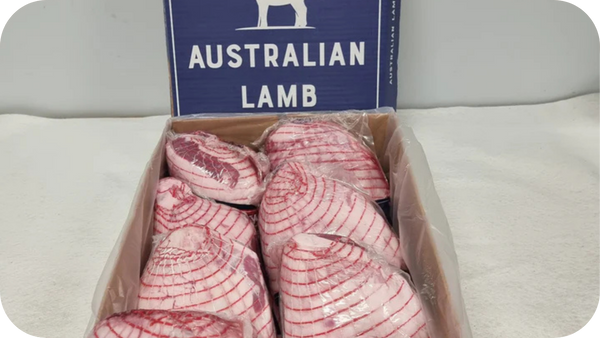
Carnivore Society offers a selection of lamb cuts that suit everything from slow cooked comfort meals to elegant dinner centrepieces. You will find racks, backstraps, forequarters, boneless leg and square cut shoulder (bone-in) each chosen for flavour, tenderness, and consistent performance in the kitchen.
Our lamb is selected from respected Australian producers who prioritise animal welfare, responsible farming, and steady quality. Each cut arrives trimmed, packed, and ready for cooking so you can plan meals without stress.
Whether you are hosting a family roast or preparing quick weeknight dinners, our online range gives you reliable options that taste great. With clear product descriptions and honest information, you always know what you are buying and how it will perform at home.
2. How We Source and Handle Our Lamb
Sourcing lamb is something we approach with care because the quality starts at the farm. Carnivore Society works with producers who raise animals in clean, open environments with natural grazing and thoughtful farming practices.
These conditions support tender meat with clean flavour and balanced fat. Once selected, our lamb is handled through a careful cold chain process that protects freshness from the producer to your doorstep. Each cut is packed with hygiene and consistency in mind so you receive meat that looks and tastes as it should.
This approach reflects our commitment to giving customers honest, reliable products they can trust. When you buy from us, you know your lamb has been respected at every stage.
3. Tips for Storing and Freezing Lamb at Home
Storing lamb properly helps you keep its flavour, texture, and freshness for longer. If you plan to cook it within a few days, keep it in the coldest part of your fridge and leave it in its vacuum-sealed pack until needed.
For longer storage, freezing works well. Lay the packs flat in the freezer so they freeze evenly and save space. When you are ready to use the lamb, thaw it slowly in the fridge to maintain tenderness and moisture.
Avoid thawing at room temperature because this can affect safety and texture. Once thawed, cook the meat within 24 hours for the best results. Simple storage habits help your lamb stay at its best from delivery to dinner.
Quality Lamb. Better Meals. Happier Days.
Picture your kitchen filled with the rich aroma of perfectly cooked lamb, each cut chosen with confidence and prepared the way it was meant to be. That is the reward waiting when you use what you have learned here.
Ignoring these tips can lead to tougher textures, weaker flavour, and missed moments around the table that could have felt warm and memorable. Choosing well helps every meal feel more satisfying and more intentional.
Your next dish can begin that shift. Visit Carnivore Society today and pick the premium lamb cut that will bring your cooking to life.