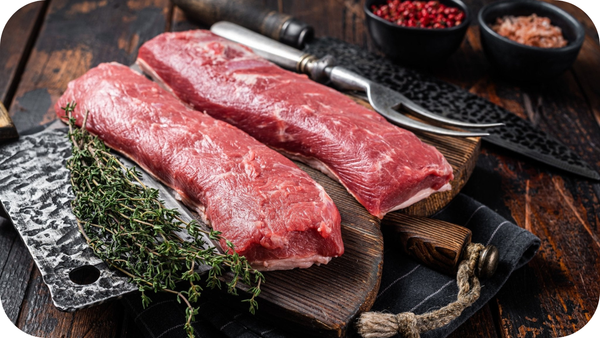

Pasture-raised lamb is making a confident return to Australian kitchens as diners and home cooks alike seek meat that delivers both integrity and flavour.
Raised on open pastures, these lambs graze freely on natural forage, resulting in meat with a cleaner taste, firmer texture, and richer character than grain-fed alternatives. Beyond taste, pasture-raised farming supports animal welfare, soil health, and environmental balance.
This guide unpacks what sets pasture-raised lamb apart, from its flavour profile and nutritional strengths to its most rewarding cuts and cooking methods, including a practical spotlight on oven-roasted lamb racks for those who want restaurant-quality results at home.
What “Pasture-Raised” Actually Means
Pasture-raised lamb comes from animals that graze freely on open paddocks, feeding primarily on grass and natural forage with constant access to fresh air, sunlight, and open space. This environment allows for steady, natural growth without the use of routine antibiotics or artificial growth promoters.
Unlike intensive, grain-fed systems, pasture-raising encourages movement and healthier muscle development while maintaining a natural balance of fat. Beyond animal welfare, this method also enriches the land, improving soil structure, promoting biodiversity, and supporting sustainable ecosystems.
For consumers, it means traceable origins, minimal chemical residues, and meat that reflects the environment it came from. The combination of clean diet, ethical management, and natural living conditions directly translates into lamb that is wholesome, flavourful, and nutritionally balanced.
Flavour Profiles: Why Pasture-Raised Tastes Different

Pasture-raised lamb delivers a distinctive taste shaped by its natural environment. Grazing freely on open paddocks, the animals feed on fresh grass, herbs, and native plants that infuse the meat with subtle earthy and floral undertones.
This slow, natural diet produces lamb with balanced fat marbling, creating a tender texture and a clean, lingering finish. Unlike grain-fed varieties, pasture-raised lamb offers a richer, more complex flavour, a mix of buttery depth and delicate sweetness that reflects the freshness of the land.
Every bite tells a story of open air, sunlight, and unspoiled Australian pastures. For consumers, pasture-raised systems ensure traceability, minimal chemical residues, and honest, nutrient-dense meat that embodies both ethical farming and authentic taste.
Nutritional Advantages of Pasture-Raised Lamb
Beyond flavour, pasture-raised lamb provides a favourable nutrient profile that aligns with balanced eating and active lifestyles.
- Higher omega-3 and CLA: These fats are linked with reduced inflammation and better body composition.
- Rich in iron, zinc, and B12: Supports energy, cognition, and immune function with highly bioavailable forms.
- Typically lower in saturated fat: Slower growth and natural feed contribute to a better overall fat balance.
- Minimal residues: Avoiding routine antibiotics and synthetic hormones supports a cleaner protein choice.
-
Complete protein for recovery: Ideal for muscle repair after training or long workdays.
Cuts And Best Uses
Each cut of pasture-raised lamb offers its own texture, richness, and cooking potential—whether you’re planning a quick weekday meal or a hearty weekend roast. Below are the most popular grass-fed lamb cuts available from Carnivore Society, each chosen for its quality, tenderness, and versatility in the kitchen:
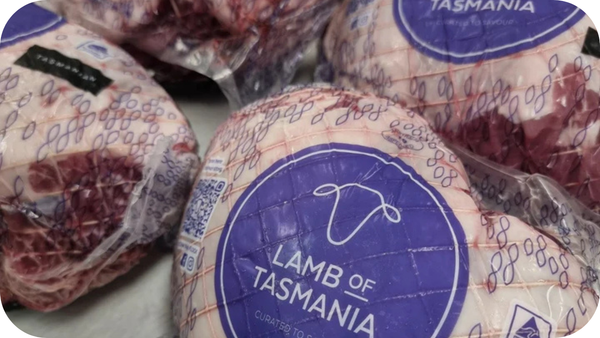
1. Lamb Leg Boneless – MC Herd / Swift / Lamb of Tasmania

The Grass-Fed Lamb Leg Boneless from MC Herd, Swift, or Lamb of Tasmania is one of the most versatile cuts available. Ideal for roasting, grilling, or slow-cooking, it delivers tender, full-bodied flavour and consistent texture.
When roasted whole, it forms a golden crust while staying juicy inside, and when butterflied, it cooks evenly on the grill. A simple marinade of lemon, garlic, rosemary, and olive oil enhances its natural aroma without overpowering it.
Whether you choose MC Herd’s $18/kg option, Swift’s $29/kg leg, or Tasmania’s hormone-free variety, this cut is a classic favourite for any occasion.
2. Lamb Backstrap – MC Herd
The Lamb Backstrap MC Herd (Grass Fed) at $49/kg is a lean, tender cut prized for its delicate flavour and fine texture. It cooks beautifully over high heat and should be served medium-rare for best results.
The backstrap pairs well with vibrant, tangy ingredients like citrus, balsamic glaze, or roasted beetroot, which enhance its natural sweetness. Minimal seasoning, just salt, pepper, and fresh herbs, is all it needs.
Perfect for pan-searing or grilling, this cut offers restaurant-quality results in minutes, making it a top choice for refined home dining.
3. Boneless Lamb Square Cut Shoulder – Wagstaff
The Boneless Lamb Square Cut Shoulder (L-SHD) – Wagstaff at $29/kg is perfect for slow roasts and braises. Richly marbled and full of connective tissue, it becomes melt-in-the-mouth tender when cooked low and slow.
This cut is ideal for rustic recipes, think garlic, rosemary, and red wine-infused dishes that fill the kitchen with aroma. It’s versatile enough for pulled lamb, stews, or traditional Sunday roasts, offering hearty comfort and deep, savoury flavour in every bite.
4. Lamb Forequarters – MC Herd

The Lamb Forequarters – MC Herd (Boneless, Grass-Fed) at $29/kg is a value-packed cut known for its rich flavour and versatility. It’s well-suited to both slow cooking and grilling, with excellent fat distribution that keeps it moist and flavourful.
Perfect for curries, casseroles, or smoky barbecue recipes, this cut breaks down beautifully over time, creating fork-tender lamb with a satisfying depth of taste.
It’s an excellent option for hearty meals that balance affordability with premium quality.
5. Lamb Rack – Lamb of Tasmania
The Lamb of Tasmania Rack (Grass-Fed Lamb Chops) at $45/kg (previously $52/kg) is a standout for elegant dining. It’s ideal for oven roasting or barbecuing, delivering tender, pink-centred meat with a crisp, caramelised crust.
The rack’s delicate marbling ensures moisture and depth of flavour without heaviness. Light seasoning with salt, pepper, garlic, and rosemary allows the natural taste to shine.
Once roasted, it slices into beautiful cutlets perfect for plating. This premium rack combines ease of cooking with restaurant-level presentation, making it the hero of any meal.
6. Lamb Ribs – (Available in Rib Sections of Lamb Rack)

Using the same Grass-Fed Lamb Rack from Tasmania, you can prepare the rib section separately as slow-cooked or barbecued ribs. These ribs are rich, meaty, and perfect for marinades or sticky glazes.
Cook them low and slow until the fat renders and the meat falls from the bone, creating a satisfying chew with deep caramelised flavour.
They’re best served on sharing platters, paired with roasted vegetables or fresh mint yoghurt sauce, making them a crowd-pleaser for any weekend gathering.
Core Cooking Principles For Pasture-Raised Lamb
Cooking pasture-raised lamb is about balance, respecting its leaner structure while unlocking its naturally rich flavour. Follow these principles to achieve tender, juicy results every time:
- Rest your meat: Always allow lamb to rest for 5 to 10 minutes after cooking. This pause lets the juices redistribute evenly throughout the cut, keeping each slice moist and flavourful rather than dry or fibrous.
- Use bright aromatics: Complement lamb’s richness with fresh, acidic, and herbal notes. Ingredients such as lemon juice, garlic, yoghurt, and rosemary help tenderise the meat and enhance its natural earthiness, creating a more balanced dish.
- Match time to the cut: Each cut demands its own approach. Lean cuts like backstrap or loin need quick, high-heat searing to stay pink and juicy, while tougher cuts such as shoulder or shanks require slow roasting or braising to achieve melting tenderness.
- Cook at moderate temperatures: Avoid extreme heat that can toughen lean pasture-raised meat. Instead, aim for controlled, moderate temperatures that allow even cooking and gentle caramelisation, preserving moisture and texture throughout.
- Prefer bone-in for depth: Cooking on the bone infuses dishes with deeper, more concentrated flavour as marrow and natural juices release into the meat. Bone-in roasts, chops, or shanks produce a richer taste and better texture than boneless alternatives.
- Season simply: Pasture-raised lamb’s character speaks for itself. A blend of sea salt, cracked pepper, and a few fresh herbs is often all that’s needed. Overpowering marinades can mask the clean, grassy nuances that define this naturally raised meat.
Spotlight: Lamb Rack For Easy Oven Roasting

A lamb rack delivers elegance with minimal effort. It cooks fast, carves neatly, and looks impressive without complicated techniques.
1. Choosing A Good Rack
- French-trimmed or full-fat: French-trimmed offers sleek presentation. Full-fat brings extra self-basting richness.
- Look for rosy meat and creamy fat: Avoid grey or very pale colour.
- Even bone spacing: Helps carving and presentation.
- Grass-fed sourcing: Expect a cleaner, more herbaceous flavour.
2. Prep Before The Oven
- Bring to room temperature for 30 to 45 minutes.
- Trim only excessive or ragged fat while keeping a neat cap.
- Lightly score the fat in a criss-cross pattern.
- Pat dry for better browning, then season with salt, pepper, rosemary, thyme, and optional mustard.
3. Step-By-Step Roast
Perfectly roasting a lamb rack doesn’t require complex techniques, just timing, heat control, and a bit of patience. Follow these simple steps to achieve a beautifully caramelised crust and tender, pink centre every time:
- Preheat the oven: Set to 200°C fan or 220°C conventional to ensure an even, hot environment that crisps the fat while sealing in juices.
- Optional sear: Brown the lamb rack in a hot pan for 2–3 minutes per side to develop a caramelised crust and deepen the flavour before roasting.
- Roast bone-side down: Place the rack on a tray or skillet and cook for 20–25 minutes for medium-rare or up to 30 minutes for medium.
- Check internal temperature: Use a meat thermometer, 52–55°C for medium-rare, 58–60°C for medium, to achieve precise doneness.
- Rest before carving: Cover loosely with foil and let it rest for 10–15 minutes so the juices redistribute evenly.
- Carve and serve: Slice between the bones into neat cutlets and serve pink, juicy, and tender for the best texture and flavour.
Pro Tips For Consistency
Even the best cuts can fall short without attention to detail. These simple but effective tips will help you achieve restaurant-quality results every time you roast pasture-raised lamb:
- Start hot: Begin with a high oven temperature to create a crisp, golden crust that locks in moisture and enhances depth of flavour.
- Let the fat render: Roast fat-side up so it melts slowly, naturally basting the meat for a glossy, flavour-rich finish.
- Always rest the meat: Allow the lamb to rest after cooking to redistribute juices evenly and maintain tenderness.
- Use a meat thermometer: Avoid guesswork. Monitor internal temperature for consistent doneness across all cuts.
- Trim for even cooking: Remove any thick or uneven fat layers to prevent burning and ensure uniform roasting.
- Avoid overcrowding the pan: Give the lamb space to roast evenly; crowding traps steam and prevents browning.
- Baste occasionally: Spoon pan juices over the lamb midway through roasting for extra moisture and caramelisation.
-
Slice cleanly with a sharp knife: A smooth cut preserves the meat’s structure, keeping each portion juicy and visually appealing.
Side Dishes That Pair Well With Lamb Rack
A perfectly roasted lamb rack deserves sides that balance its richness and highlight its natural flavour. These pairings bring freshness, texture, and colour to the plate for a complete dining experience:
- Garlic and rosemary roasted potatoes: Crispy on the outside and fluffy inside, they echo the herbs often used in lamb marinades and add hearty comfort.
- Creamy mash or parsnip purée: Smooth and buttery, these sides soak up juices and balance the meat’s savoury depth with subtle sweetness.
- Grilled asparagus or green beans with lemon zest: Light and zesty, they introduce freshness and acidity that cut through the lamb’s richness.
- Honey-glazed carrots: Their caramelised sweetness complements lamb’s earthy notes while adding vibrant colour to the plate.
- Roasted beetroot with feta: The earthy beetroot and tangy cheese create contrast and visual appeal alongside the rosy lamb.
- Minted peas or couscous: Refreshing and fragrant, they bring a Mediterranean touch and lighten the overall meal.
- Red wine jus, chimichurri, or garlic yoghurt sauce: Each offers a unique finish, deep and savoury, herby and sharp, or creamy and cooling.
Pasture-Raised vs Conventional: The Short Comparison
Understanding how these two farming systems differ helps you choose meat that aligns with your values and taste preferences:
|
Feature |
Pasture-Raised Lamb |
Conventional Lamb |
|
Feed |
Grass and natural forage forming the main diet. |
Grain-based and processed feed for faster growth. |
|
Environment |
Open paddocks with sunlight and space to roam freely. |
Pens, barns, or semi-confined enclosures with limited movement. |
|
Growth Rate |
Slower, natural development for better muscle and fat balance. |
Accelerated growth through intensive feeding and higher energy diets. |
|
Chemical Inputs |
Minimal use, only when medically necessary; no routine antibiotics or hormones. |
More frequent use of antibiotics and growth promoters for herd management. |
|
Taste and Texture |
Rich, herbaceous flavour with a firmer bite and deeper character. |
Milder, softer texture with less complexity in flavour. |
|
Fat Quality |
Balanced fat with a higher omega-3 to omega-6 ratio for better nutrition. |
Higher omega-6 content, producing fattier meat with lower nutritional balance. |
Why Choose Carnivore Society

Choosing the right supplier makes all the difference when it comes to flavour, freshness, and trust. Here’s why Carnivore Society stands out as the go-to source for premium pasture-raised lamb that delivers quality from the farm to your plate:
- Ethical Australian sourcing: Partner farms prioritise animal welfare, open pastures, and regenerative land management.
- No routine antibiotics or growth hormones: Every cut is free from unnecessary additives, ensuring clean, natural meat.
- Cuts selected for consistency: Each piece is chosen for texture, marbling, and cooking performance, whether roasted, grilled, or slow-cooked.
- Vacuum-sealed and delivered chilled: Maintains peak freshness and flavour through strict cold-chain transport.
- Traceability and clear labelling: Every product includes farm origin and handling details, giving consumers full transparency.
- Sustainably focused operations: Supporting local producers who use low-impact grazing to protect ecosystems and biodiversity.
- Chef-approved quality: Preferred by professionals for its tenderness, balance, and ability to hold flavour across cooking styles.
- Customer-first reliability: Trusted service, timely delivery, and responsive support ensure a smooth experience from paddock to plate.
- Commitment to freshness: Orders are packed to order and dispatched promptly, minimising storage time for maximum flavour retention.
Frequently Asked Questions
1. How long will pasture-raised lamb last in the fridge after delivery?
When kept vacuum-sealed and properly refrigerated, pasture-raised lamb will stay fresh for up to five days. Once opened, it’s best cooked within 48 hours for optimal flavour and tenderness.
2. Can I marinate pasture-raised lamb overnight?
Yes, marinating overnight enhances flavour and tenderness, especially for lean cuts like backstrap. However, avoid overly acidic marinades for longer than 12 hours, as they can toughen the surface.
3. What sides or drinks pair best with lamb dishes?
Full-bodied red wines such as Shiraz or Cabernet Sauvignon complement lamb’s richness. For lighter meals, pair with crisp white wine, sparkling water with herbs, or mint-infused lemonade.
4. Is pasture-raised lamb better for people with food sensitivities?
Generally, yes. Because it’s raised without routine antibiotics, hormones, or medicated feed, it’s a cleaner option ideal for those seeking minimally processed, chemical-free protein sources.
5. Can I barbecue pasture-raised lamb instead of roasting it?
Absolutely. Cuts like chops, backstrap, or butterflied leg grill beautifully. Preheat your barbecue, oil the grates to prevent sticking, and rest the meat before serving to retain juiciness.
Taste the Difference That Starts in the Paddock
Pasture-raised lamb delivers more than flavour, it tells a story of care, balance, and authenticity in every bite. From tender backstrap to slow-braised shoulder, each cut reveals the richness of open pastures and ethical farming. Choosing pasture-raised means embracing meat that’s wholesome, naturally tender, and full of character.
Now’s the time to elevate your cooking and serve lamb that speaks for itself. Order premium pasture-raised cuts from Carnivore Society today and enjoy fresh, ethically sourced lamb delivered straight to your kitchen, to cook, share, and savour. Taste the difference that only true pasture-raising can bring.