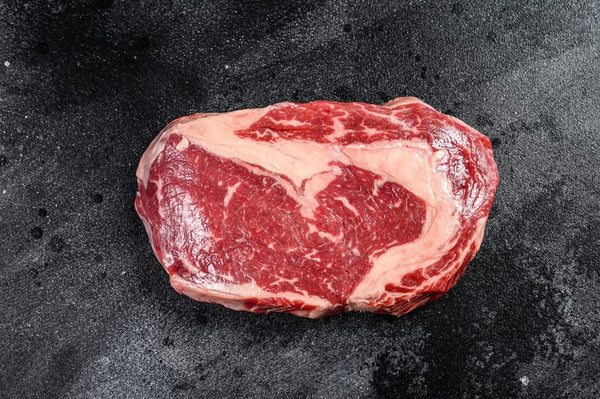

A steak hitting a hot grill, a slow-roasted brisket filling the kitchen with rich aroma, or a fresh meat box waiting to be unpacked can spark the excitement of any true meat lover. Many Australians are turning to the carnivore diet for its simplicity, flavour and no fuss approach to eating.
Whether you are curious about getting started or looking to refine your routine, this guide walks you through the essentials. You will find tips on choosing the right cuts, planning meals, cooking with confidence and making the lifestyle work in everyday Australian life.
What the Carnivore Diet Involves
A growing number of Australians are choosing a simpler way of eating built around real meat, steady energy and fewer food decisions. This section breaks down what the carnivore lifestyle truly involves.
Strict Carnivore
Strict carnivore centres on a very simple approach to eating. The focus is on ruminant meat, salt and water, which keeps choices clear and consistent. Many people start here because it removes the guesswork that often comes with other diets.
Meals are built around fattier cuts of beef or lamb, since these provide steady energy and natural satisfaction. Some choose to include organ meats for added energy and immunity, although this remains a personal preference. Cooking stays uncomplicated with searing, slow cooking or grilling becoming everyday habits.
The appeal of a strict carnivore often comes from its routine. Life feels easier when every meal is predictable, filling and enjoyable. This approach suits people who prefer structure and want to reset their eating without juggling multiple ingredients.
Flexible Carnivore
Flexible carnivore opens the door to a little more variety while keeping meat as the foundation. Many Australians find this version more practical for busy schedules and shared meals. Along with beef and lamb, people often include eggs, dairy and seafood to round out flavours and textures.
This broader range can make social dining easier and help families enjoy similar meals without extra effort. Flexible carnivore still encourages simple eating, yet it allows room for personal taste and convenience.
It can suit beginners who want to transition slowly or long-term followers who enjoy more choice while staying close to the core principles. By blending structure with versatility, this style makes the carnivore lifestyle approachable and sustainable for everyday Australian living.
Key Nutrients and How a Carnivore Diet Provides Them

Top carnivore diet foods deliver a surprising range of important nutrients through simple, familiar foods that many Australians already enjoy. Protein sits at the heart of it, coming from beef, lamb, pork and seafood, and supports muscle repair, steady energy and daily strength.
Healthy fats from cuts like ribeye, lamb shoulder and brisket help with long-lasting fullness and provide a dependable fuel source. Iron and zinc appear naturally in red meat, which is why many people notice clearer focus and better stamina once they rely on these foods more often.
Vitamin B12 is also abundant in beef, lamb and organ meats, making it easy to maintain healthy levels without extra planning. Collagen and glycine are found in slow-cooked cuts, bone-in roasts and homemade broths, which can support joint comfort and general recovery. When these foods are combined in a weekly rotation, the diet becomes both nutrient-rich and easy to maintain.
Health Benefits Reported by Carnivore Followers
Many Aussies who try a meat-focused lifestyle often describe changes that feel noticeable in daily life. This section highlights some of the most common benefits people say they experience.
1. Steadier Energy and Better Daily Focus
Many carnivore followers mention a calmer, more consistent form of energy that lasts throughout the day. Instead of highs and lows from processed carbohydrates, meals built around beef, lamb and seafood tend to feel grounding and satisfying.
People often say they wake up clearer, feel more productive and avoid the afternoon slump that once felt unavoidable. This steady energy can make workdays smoother and support better concentration without relying on constant snacking. Some also find that their mental clarity improves because they remove foods that once caused discomfort or bloating.
While each person experiences the diet differently, many enjoy the simplicity of eating in a way that keeps their body fuelled, their mind sharp, and their routine easy to follow.
2. Calmer Digestion and Reduced Bloating
A common reason people stay with the carnivore diet is the noticeable change in digestion. Many say they feel lighter, experience less bloating and enjoy a more predictable digestive pattern. Removing processed foods, sugars, and certain fibres can ease discomfort for those who react to them.
Meals centred on meat are often easier to digest for some individuals, which helps reduce the heavy or sluggish feeling that comes after complicated meals. Slow-cooked cuts, mince and simple steaks provide nourishment without overwhelming the digestive system.
People often describe a new sense of comfort and control, which can make daily life far more enjoyable. Although results vary from person to person, this improvement remains one of the most talked-about experiences in carnivore communities.
3. Better Appetite Control and Long Lasting Fullness
Many carnivore followers explain that they feel satisfied for hours after eating, which helps them avoid constant grazing or late-night cravings. Protein and healthy fats provide natural fullness, making meals feel complete without the need for extra sides or snacks.
This can make daily eating more relaxed, especially for those who struggled with portion control before. People also note that the simplicity of the diet reduces emotional eating because meals feel straightforward and comforting.
Over time, a balanced appetite often leads to more confidence around food choices and less stress about meal timing. For busy Australians juggling work and family, feeling full and settled after a simple plate of meat can feel refreshing and easy to maintain.
4. Support for Training, Recovery and Strength Goals

Active Australians often turn to the carnivore diet because it benefits muscle growth and recovery, aligning closely with strength-focused routines. Meat naturally provides complete protein, which helps repair muscles after training. Cuts like ribeye or lamb shoulder supply healthy fats for sustained energy and recovery.
Some people notice improved performance in the gym because their meals feel predictable and nourishing. Others appreciate the convenience of eating foods that build strength without complicated planning.
Creatine is found naturally in red meat, which can support power-based movements and overall performance. Many followers say they feel less sore after workouts and recover faster, which encourages consistency. While results depend on individual training habits, a meat-rich diet can feel like a practical fit for those who value progress and simple nutrition.
Essential Meats for Aussies Following a Carnivore Lifestyle
Choosing the right meat can shape how enjoyable and sustainable the carnivore lifestyle feels. Many Australians find that rotating a few high-quality staples keeps meals simple, flavourful and nourishing while still offering plenty of variety each week.
1. Beef Cuts
Beef sits at the centre of most carnivore diets because it is rich, satisfying and widely available across Australia. Cuts like ribeye, cube roll, porterhouse and brisket provide a natural balance of protein and healthy fats that keep meals filling and enjoyable.
Many people appreciate how versatile beef can be, whether it is slow-cooked for tenderness or quickly seared after a long day. Mince also becomes a regular choice because it cooks fast and suits almost any meal style.
Some Australians include organ meats such as liver or heart for extra micronutrients. With so many options to choose from, beef remains an easy foundation that fits both budget-friendly meals and premium weekend feasts.
2. Lamb and Goat
Lamb and goat offer a rich flavour that many Aussies associate with family gatherings, Sunday roasts and outdoor cooking. These meats naturally contain higher fat levels, which can support steady energy for those following a carnivore lifestyle.
Lamb boneless shoulder, cutlets, shanks and backstrap bring a mix of textures that suit slow cooking, grilling or quick pan frying. Goat, although less common, is growing in popularity for its gentle flavour and nutrient density.
Many people enjoy rotating these meats alongside beef to prevent meal fatigue and introduce different flavours without straying from carnivore principles. Both options help create comforting meals that feel hearty, warm and easy to enjoy in any season, especially during cooler evenings.
3. Pork and Bacon
Pork and bacon often appeal to flexible carnivore followers who want variety without complicating their routine. Cuts such as pork belly, shoulder, chops and ribs offer a combination of tenderness and crisp texture that suits both everyday meals and relaxed weekend cooking.
Bacon adds a familiar, smoky taste that pairs easily with eggs or beef-based dishes. Many Australians appreciate how affordable and accessible pork is at local butchers and supermarkets, which makes it a practical option for families.
Pork can also be slow-cooked or roasted to bring out its natural richness. While some carnivore followers keep pork as an occasional addition, others enjoy it regularly as a flavourful break from red meat-heavy days.
4. Seafood

Seafood provides a lighter, refreshing contrast to the rich flavours of red meat, which is why many flexible carnivore followers include it in their weekly rotation. Options such as salmon, barramundi, prawns, and oysters offer important nutrients like omega-3 fats and high-quality protein.
These foods cook quickly, making them ideal for busy weeknights when a simple pan fry or oven bake feels easiest. Seafood also suits warm Australian weather, where light meals are often welcomed.
Many people enjoy mixing seafood into their routine to keep meals interesting without moving away from a meat-focused lifestyle. With so many local options available, seafood becomes a natural way to add variety while still keeping the diet simple and satisfying.
Choosing the Right Fat-to-Protein Ratio
Finding the right balance between fat and protein can make the carnivore lifestyle feel comfortable, steady and enjoyable. Many Australians start by choosing fattier cuts because they provide longer-lasting energy and help meals feel more satisfying.
Ribeye, lamb shoulder, brisket and pork belly are popular choices for this reason. Too much lean meat can leave you hungry soon after eating, which is why cuts like topside or eye fillet are often paired with added fat from tallow or butter.
Your ideal ratio depends on how your body responds, your activity level and how you prefer to feel after meals. Some people thrive on higher fat days with slow-cooked beef or lamb, while others prefer a more even split by mixing mince, roasts and steaks across the week.
Paying attention to fullness, energy and comfort after meals helps you adjust the balance without overthinking it. With a little trial and observation, most people settle into a ratio that feels natural for their routine.
Australian Lifestyle Factors That Shape a Carnivore Diet

Life in Australia carries its own rhythms, climates and food traditions. These everyday factors often shape how people approach a carnivore lifestyle, making the diet feel either easier or more enjoyable depending on personal habits and surroundings.
1. Barbecue Culture
Australia has a strong barbecue culture that naturally supports a meat-focused way of eating. Many families already gather around grills on weekends, which makes the transition to carnivore feel familiar and enjoyable. Steak, lamb chops and sausages are easy centrepieces for social meals, and cooking outdoors adds a relaxed atmosphere that suits the diet well.
People can experiment with different cuts, try slow-cooked roasts or enjoy simple seared meats without much planning. Anyone looking to refine their grilling choices can also check out the best steak cuts for a backyard BBQ, which helps bring even more flavour and confidence to weekend cooking.
The barbecue culture also creates a sense of community, as friends and relatives often share meals that align with carnivore preferences. This makes it easier to stay consistent without feeling restricted or separate from group activities.
2. Warm Climate and Food Storage
Australia’s warm weather influences how people store, freeze and prepare meat. Many carnivore followers rely on quality refrigeration, chest freezers or vacuum-sealed packs to ensure their weekly supply stays fresh.
This focus on storage helps households buy in bulk, which often saves money and reduces shopping trips. Warm days also encourage simple cooking, such as pan-searing, grilling, or batch cooking early in the morning before the heat sets in.
People often prefer lighter options like seafood or quick-cook steaks during peak summer. With the right storage habits, the climate becomes less of a challenge and more of a reminder to plan ahead while enjoying a meat-focused lifestyle.
3. Busy Work and Family Schedules
Many Australians juggle demanding work hours, school runs and full weekly calendars, which makes simple eating especially appealing. The carnivore lifestyle removes the pressure of planning complex meals because meat-based dishes cook quickly and require very few ingredients.
Mince, sausages, steaks and slow-cooked roasts become easy staples that fit into busy days without fuss. Parents also find that meat-centred meals keep kids full and satisfied, which reduces the need for constant snacking.
The simplicity helps households stick to a routine even when life feels hectic. With less time spent worrying about meal preparation, people can focus on family, work and hobbies while still enjoying nourishing meals.
4. Local Farming and Meat Quality
Australia is known for producing high-quality beef, lamb and seafood, which supports a carnivore lifestyle with ease. Many people feel confident choosing local products because they trust the farming practices and value the freshness.
Grass-fed beef, free-range lamb and sustainably sourced seafood are widely available through butchers, markets and premium suppliers. This access helps carnivore followers enjoy flavourful meals while supporting local businesses.
The variety of cuts also encourages experimentation, whether it is a rich brisket, a tender lamb backstrap or a fresh salmon fillet. With such strong agricultural roots, Australians often find that eating meat feels natural, satisfying and connected to local food culture.
Carnivore Diet vs Keto vs Paleo in Australia

Many Australians compare these three popular ways of eating before choosing the one that suits their goals, routine and cooking style.
1. Carnivore
Carnivore focuses primarily on meat, seafood and animal-based foods. Australians who follow it often enjoy the simplicity because there is no counting, measuring or recipe planning. Meals usually include steaks, lamb, mince and slow-cooked roasts.
Many people say they feel steady energy and fewer cravings because the diet removes processed foods entirely. It suits those who prefer clear structure and straightforward shopping. Carnivore also aligns naturally with local barbecue culture, which helps people stay consistent socially. While strict for some, its simplicity is what many find appealing.
2. Keto
Keto allows a much wider range of foods than carnivore, including vegetables, nuts and dairy, but it requires limiting carbohydrate intake to stay in ketosis. Many Australians find keto flexible, although it involves more tracking and meal planning.
People who enjoy experimenting with recipes often choose this approach because it offers variety without relying heavily on processed foods. Keto can work well for those who want a structured diet that allows more food options than carnivore while still encouraging stable energy and reduced snacking.
3. Paleo
Paleo focuses on whole foods that resemble traditional hunter-gatherer diets. Australians who follow it include meat, seafood, fruits, vegetables, nuts and natural fats while avoiding grains, legumes and refined sugars.
It feels more flexible than carnivore and keto, which helps people ease into healthier habits without strict rules. Many enjoy the balance of fresh produce with protein-rich meals. Paleo suits families and individuals who want a cleaner, more natural approach to eating while still enjoying a wide variety of flavours.
Cooking Techniques for Maximum Flavour and Nutrient Retention
Great cooking turns simple cuts into memorable meals. These four techniques help Australians following a carnivore lifestyle enjoy tender textures, rich flavour and reliable nutrition while keeping everyday cooking stress-free and enjoyable.
1. Searing

Searing is a favourite among meat lovers because it creates a golden crust that locks in flavour and juices. A hot pan or grill is all you need. Many Australians enjoy this method for quick weeknight meals, where a steak can go from fridge to plate in minutes.
Searing works beautifully for cube roll, ribeye, porterhouse and lamb backstrap, giving each cut a satisfying exterior with a tender centre. The technique encourages natural browning, which adds depth to the flavour without needing marinades or complicated steps.
It is also a forgiving method, since you can adjust the temperature easily. With a little practice, searing becomes a simple habit that keeps meals delicious, predictable and perfect for busy households.
2. Smoking
Smoking brings a gentle, smoky richness that many Aussies associate with long weekends, backyard gatherings and slow afternoons. Smoked works especially well with brisket, ribs and lamb shoulder because the low heat encourages collagen to melt and create a soft, tender result.
Smoking also infuses the meat with deep flavour without extra seasoning, which suits the simplicity of the carnivore lifestyle. Many people enjoy using wood chips like hickory or ironbark to create their preferred taste.
The process takes time, but it feels rewarding and social for those who love outdoor cooking. With patience and low, steady heat, smoking turns tough cuts into comforting meals that feel warm, inviting and worth the wait.
3. Pressure Cooking
Pressure cooking offers tenderness in a fraction of the time, which makes it perfect for busy Australian households. Cuts like chuck, shank, beef cheeks and lamb neck become soft and flavourful in under an hour. The sealed environment traps moisture, allowing the meat to cook gently without drying out.
This method works well for carnivore followers who prefer convenience without sacrificing quality. Many people use simple ingredients such as salt and water to keep the meal clean and nutrient-rich.
Pressure cooking can also improve the texture of leaner cuts by giving them a juicy finish. It is a helpful option for meal prepping, since it produces large batches that reheat well. The result is reliable, nourishing food with minimal effort.
4. Slow Roasting
Slow roasting brings out deep, comforting flavours that suit cooler evenings and relaxed weekends. Cuts like lamb shoulder, pork belly, brisket and whole chickens become incredibly tender when cooked at low temperatures for several hours. This method allows the fat to render gently, giving each bite a rich and satisfying taste.
Slow roasting requires very little involvement after the initial preparation, which makes it ideal for people who enjoy set-and-forget cooking. Many Australians appreciate how this method fills the home with a warm aroma and produces generous leftovers for the next day.
It also supports nose-to-tail eating, as tougher cuts shine best with extended cooking. The final result feels wholesome, flavourful and perfect for family meals.
How to Shop for Carnivore-Friendly Meats from Carnivore Society

Buying meat becomes much easier when you know exactly what to look for. This section guides you through the key things that help you choose quality cuts from Carnivore Society with confidence.
- Freshness indicators: Look for meat with a vibrant natural colour and a clean scent. Fresh cuts should appear moist but not watery. Carnivore Society products arrive chilled and well sealed to help maintain quality from the moment they reach your doorstep.
- Grading and breed quality: Australian beef grading helps you understand tenderness and flavour. Cuts from Wagyu, Angus and grass-fed cattle offer rich taste with dependable consistency. Carnivore Society highlights breed and grading clearly so you can choose with ease.
- Choosing the right fat content: Fat supports energy on a carnivore diet, so selecting the right level matters. Ribeye, brisket and lamb shoulder offer higher fat, while leaner options like rump or topside suit those who prefer variety in their meals.
- Packaging and storage: Cryovac packaging protects freshness and extends shelf life when stored correctly. Carnivore Society meats are sealed to maintain flavour and safety. Once delivered, store them in the fridge or freezer following the provided guidelines.
- Understanding cut versatility: Some cuts like mince, brisket and lamb shanks suit slow cooking, while steaks, cutlets and chops fit quick meals. Carnivore Society listings explain the best cooking method for each cut, helping you plan your week with less guesswork.
- Delivery and cold chain care: Carnivore Society ships Australia-wide using reliable refrigerated systems that protect your order from warm weather. Meat arrives cold, safe and ready to use, which removes the stress of planning around store visits.
- Buying for budget and routine: Bulk boxes and family value packs offer better pricing for weekly or monthly planning. They also reduce decision fatigue. Many shoppers enjoy rotating boxes to keep meals interesting while staying within their budget.
Common Challenges and How to Overcome Them
Many Aussies enjoy the simplicity of a meat-focused lifestyle, yet a few challenges can appear along the way. This section offers calm, practical ways to move through them with confidence.
1. Managing the Transition Period
The first few weeks can feel different as your body adapts to using fat as its main fuel source. Some people notice headaches, tiredness or cravings while their system adjusts. Drinking enough water, adding electrolytes and choosing fattier cuts can help steady the experience.
Gentle movement and early nights often make the transition smoother as well. Many people find that things settle quickly once they reach a consistent eating pattern. Being patient with yourself and easing into the lifestyle can take pressure off and reduce any discomfort. With a little time, most Australians reach a point where meals feel satisfying, and energy levels become steadier.
2. Handling Meal Repetition and Food Boredom
A carnivore lifestyle feels simple, but repeating the same cut every day can become unappealing. The easiest fix is to rotate beef, lamb, pork and seafood across the week. Slow-cooked meals on cooler days, grilled steaks on busy nights and roasted cuts on weekends keep things interesting without stepping outside the diet.
Different cooking techniques add variety as well, because the same cut can taste completely different when seared, smoked or pressure-cooked. Choosing meat boxes from Carnivore Society also introduces new cuts you might not buy on your own. Once a small rotation is in place, meals feel comforting rather than repetitive.
3. Eating Socially Without Stress
Social events can create uncertainty, especially if you are new to the carnivore lifestyle. A simple approach is to eat a filling meal beforehand so you feel relaxed and less tempted by foods that do not suit your routine.
Choosing steak or seafood at restaurants usually works well, and most venues are happy to serve meat without added sides. For family gatherings, offering to bring a roast or grilled cuts helps you stay on track without drawing attention to your diet.
People often find that once they stop overthinking it, social eating becomes far easier. Confidence grows with each outing, and soon these occasions feel enjoyable again.
4. Staying Consistent During Busy Weeks

Busy schedules can make any eating plan feel harder to maintain. Planning ahead solves most of the difficulties. Cooking a few large batches of mince, brisket, or lamb shoulder early in the week gives you ready-to-heat meals that save time and stress.
Keeping quick options like steak, sausages or prawns in the fridge also helps. Many Australians rely on Carnivore Society meat boxes to avoid last-minute shopping and ensure their freezer stays stocked.
When the week becomes chaotic, having simple meals prepared removes the pressure of deciding what to eat. Small habits like these make consistency far easier and keep the lifestyle enjoyable.
Frequently Asked Questions About a Carnivore Lifestyle in Australia
1. Is the carnivore diet expensive in Australia?
Many people assume it costs more, although this depends on how you shop. Bulk meat boxes from Carnivore Society, mixed cuts like mince and brisket, and seasonal specials often make the diet more affordable than expected. The idea that you must eat premium steak every day is a common misconception. Most Australians find a mix of fatty and budget-friendly cuts works well without blowing the weekly food budget.
2. Will I miss important nutrients if I stop eating plants?
This is one of the biggest myths. A wide range of nutrients come from beef, lamb, seafood and organ meats, including protein, iron, zinc, B vitamins and collagen. Some people may choose to monitor electrolytes, especially early on, but many followers feel well once they settle into a routine. If you include a variety of cuts, especially fatty ones and the occasional organ meat, the diet can remain nutrient-rich.
3. Can I still drink coffee or tea on a carnivore diet?
Most flexible carnivore followers keep coffee or tea in their routine. Others on strict versions choose to remove it. It mostly comes down to how your body responds. If coffee triggers bloating or unsettled digestion, you can reduce it for a week and see how you feel. Many Australians simply enjoy their morning coffee with their meat-based meals and find it fits comfortably.
4. How often should I eat on a carnivore diet?
Meal timing varies from person to person. Some eat two larger meals, while others prefer smaller portions more often. A common misconception is that carnivore requires strict fasting rules. In reality, most people listen to natural hunger cues because meat tends to keep you full for longer. As your appetite stabilises, meal timing becomes easier and more predictable without much planning.
5. Is it hard to follow the carnivore diet in social settings?
It can feel tricky at first, although most restaurants offer simple meat-based meals that make dining out manageable. Steak, lamb, pork, grilled fish and eggs are widely available across Australia. The idea that you need to avoid social events is a misconception. Many followers simply order meat-focused dishes and enjoy the occasion without overthinking it.
6. Will I get bored eating only meat?
This is a common worry, although most people are surprised by how much variety exists across beef, lamb, pork and seafood. Different cooking styles, cuts and fat levels can keep meals interesting. Rotating slow-cooked dishes, quick-seared steaks, lamb roasts and simple seafood helps the diet feel fresh each week. Many Australians enjoy the rhythm that comes with fewer decisions and more satisfying meals.
7. Do I need supplements on a carnivore diet?
Most people rely on whole foods first. Some choose electrolytes during the early adjustment stage, especially in warm weather. This is not a strict rule, only a personal preference. As long as you include a range of cuts, especially fatty ones, you often meet your needs without extra supplementation.
8. Can I do carnivore if I exercise regularly?
Yes, many active Australians find carnivore suits their training well. Meat naturally contains complete protein for repair and creatine for power. A common misconception is that athletes need constant carbohydrates. Many report steady strength, solid recovery and consistent energy once they get used to the routine.
Meat That Fuels Your Life
A plate filled with rich, perfectly cooked meat can change how you feel each day, bringing steady energy, confidence in your choices and a simple routine that works. Delaying this shift often leads to the same old frustrations, such as constant snacking, tired afternoons and meals that never feel truly satisfying.
Once you commit to a meat-focused lifestyle, everything becomes easier because your food finally supports your body instead of working against it. The path forward is clear, comforting and enjoyable for any Australian who values flavour and quality.
Start with one simple step today by choosing your next Carnivore Society box and enjoy the difference that premium meat brings to your routine.