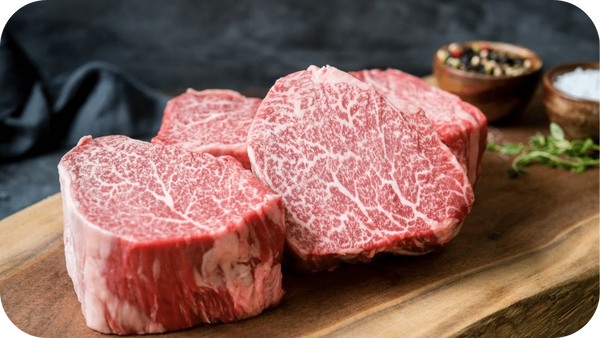

For years, red meat has been unfairly criticised, labelled as harmful, heavy, or heart-clogging. But the truth is, high-quality red meat is one of the most complete muscle-building foods on the planet.
It delivers all nine essential amino acids, supports hormone health, and fuels recovery with iron, creatine, and B vitamins. Whether you're lifting heavy, training hard, or just staying active, red meat provides the foundational nutrients your body needs to grow stronger, faster.
In this article, you'll learn exactly how red meat supports muscle growth, speeds up recovery, and helps you perform at your peak.
1. Complete Protein Source for Muscle Synthesis
Red meat provides all nine essential amino acids in the precise ratios your body needs for building and repairing muscle. This makes it a complete protein, something many plant-based sources lack.
These amino acids are the raw materials for muscle protein synthesis, the process where the body builds new muscle tissue after exercise. Red meat also contains leucine, the most important amino acid for triggering this process.
Unlike protein powders, red meat offers this benefit in a whole-food form, along with other nutrients that aid digestion and absorption. For athletes and lifters, eating red meat after a workout is one of the most effective ways to maximise recovery and support long-term gains in strength and size.
2. Creatine for Strength and Performance

One of red meat’s secret weapons is its natural creatine content. Creatine is a compound found in muscle cells that helps produce adenosine triphosphate (ATP), the main energy source for short bursts of high-intensity activity like lifting, sprinting, or jumping.
While many turn to supplements for creatine, red meat offers a bioavailable and natural source. Regular intake supports better strength output, explosiveness, and training endurance. It also helps muscles hold more water, improving fullness and possibly aiding growth.
For athletes who want to perform harder and recover faster, the creatine in red meat provides a clean, reliable fuel that supports both effort and output without added ingredients or fillers.
3. Iron and B Vitamins for Oxygen and Energy Delivery
Red meat is rich in heme iron, the most easily absorbed form of iron, which plays a vital role in carrying oxygen to your muscles during exercise. Without enough iron, energy dips, fatigue sets in, and performance suffers.
Red meat also contains high levels of vitamin B12, B6, and niacin, all essential for converting food into usable energy and maintaining nerve function. These nutrients support red blood cell production, boost stamina, and help prevent anaemia, especially in athletes who train hard or sweat frequently.
Whether you’re pushing through a heavy set or recovering after a long session, the iron and B vitamins in red meat ensure your muscles stay energised and resilient.
4. Zinc and Magnesium for Recovery and Testosterone
Zinc and magnesium are two of the most critical minerals for muscle repair, hormone balance, and recovery, and red meat delivers both in abundance.
Zinc supports immune function, speeds up tissue repair, and plays a major role in maintaining healthy testosterone levels, which are essential for building and retaining muscle mass.
Magnesium helps regulate muscle contraction, supports deep sleep, and reduces cramps or spasms. Many athletes unknowingly run low on these minerals due to stress, sweating, or poor diet. Red meat helps replenish them naturally, without needing separate supplementation.
For those focused on consistent gains, better recovery, and hormone support, a zinc- and magnesium-rich steak might be one of the smartest meals you can eat.
5. Collagen and Connective Tissue Support

Muscle growth is only part of the equation. Your joints, tendons, and ligaments also need support, and that’s where red meat shines. Cuts like oxtail, brisket, and shank contain natural collagen, glycine, and proline, which strengthen connective tissues and improve recovery.
These compounds support joint mobility, reduce inflammation, and may even help prevent injury during training. A nose-to-tail approach, including fattier and tougher cuts, ensures you’re not just feeding muscle but protecting the structures that support it.
Athletes who overlook connective tissue health often face setbacks. Red meat offers a holistic solution by supporting both muscle and mobility, keeping you strong, flexible, and ready for more.
6. Healthy Fats That Fuel and Repair
Red meat contains natural fats that are crucial for energy, hormone health, and tissue recovery. These include saturated fats, monounsaturated fats, and small amounts of omega-3 fatty acids in grass-fed beef.
Unlike refined carbs or seed oils, these fats provide a long-lasting energy source that supports endurance and metabolic function.
Fat also aids the absorption of fat-soluble vitamins like A, D, and K2, which are essential for muscle repair and inflammation control. Perhaps most importantly, fat and cholesterol from red meat are the raw materials your body uses to build testosterone and other growth hormones.
If you're serious about performance and strength, embracing healthy animal fats is not just helpful, it’s essential.
7. Ideal for Carnivore, Keto, and Active Lifestyles
Red meat fits perfectly into low-carbohydrate, high-protein eating plans like carnivore, keto, and paleo diets. It offers dense nutrition, steady energy, and high satiety without the blood sugar spikes associated with carb-heavy meals.
For active individuals, this means fewer cravings, better body composition, and sustained focus throughout training. Red meat is easy to digest, especially when compared to fibre-rich plant meals, and provides all the essential nutrients without the need for supplements.
Whether your goal is to build lean muscle, improve performance, or fuel long hours of activity, red meat is a foundational food that supports it all. It is not just compatible with your lifestyle, it enhances it from every angle.
Red Meat vs Other Protein Sources

When it comes to fuelling muscle growth, boosting recovery, and staying energised, your protein source matters. Red meat stands out with its rich nutrient profile, complete amino acids, and essential compounds. Here's how it stacks up against other popular protein sources:
|
Protein Source |
Protein Quality |
Key Nutrients |
Digestibility |
Muscle Growth Support |
Additional Notes |
|
Red Meat |
Complete protein (high leucine) |
Creatine, B12, iron, zinc, CLA, collagen |
Highly digestible |
Excellent for strength, recovery, and hormones |
Naturally rich in recovery nutrients, no additives |
|
Chicken |
Complete protein |
B3, B6, selenium |
Easy to digest |
Good for lean mass and maintenance |
Lower in creatine and iron compared to red meat |
|
Fish (e.g. salmon) |
Complete protein |
Omega-3s, vitamin D, selenium |
Very easy to digest |
Great for recovery and inflammation reduction |
Lacks creatine and iron content of red meat |
|
Eggs |
Complete protein |
Choline, vitamin A, D, E, B12 |
Easy to digest |
Supports recovery and hormone health |
Lower total protein per serving |
|
Plant-Based (e.g. lentils) |
Incomplete (unless combined) |
Iron (non-heme), fibre, folate |
Slower digestion |
Moderate if combined with other sources |
Lacks creatine, B12, and full amino acid profile |
|
Protein Powder (whey) |
Complete protein |
Fast-absorbing amino acids, leucine |
Very fast absorption |
Excellent post-workout support |
Highly processed, may lack additional micronutrients |
Best Red Meat Cuts for Muscle Building

These cuts are nutrient-dense, protein-rich, and available through Carnivore Society, perfect for serious strength and recovery goals:
-
Ribeye Steak: High in complete protein, saturated fat, and creatine. Excellent for boosting strength and supporting hormone production.
-
Scotch Fillet: Marbled and tender, rich in muscle-repairing amino acids and recovery-supporting fats.
-
Porterhouse: Offers the best of both worlds, tenderloin and striploin in one cut. Great post-training fuel.
-
Eye Fillet: Lean yet protein-packed. Ideal for clean bulking with minimal connective tissue.
-
Rump Steak: Affordable and protein-dense with a balanced fat profile for steady energy and muscle repair.
-
Beef Liver: A nutrient powerhouse loaded with B12, iron, and vitamin A. Supports oxygen transport and hormone balance.
- Beef Heart: High in CoQ10 and protein. Strengthens cardiovascular endurance and post-workout recovery.
Grass-Fed vs. Grain-Fed: Which is Better for Athletes?
When it comes to building muscle and recovering faster, not all beef is created equal. Here’s how grass-fed and grain-fed red meat stack up for performance-focused eaters:
|
Category |
Grass-Fed Beef |
Grain-Fed Beef |
|
Nutrient Density |
Higher in omega-3s, vitamin A, E, and CLA |
Slightly lower in micronutrients, but still complete |
|
Fat Profile |
Leaner with more anti-inflammatory fats |
Higher in total fat, especially omega-6 |
|
Creatine Content |
Comparable |
Comparable |
|
Taste and Texture |
Earthy, sometimes leaner or firmer |
Richer, more marbled, tender |
|
Ideal For |
Athletes focused on recovery and clean energy |
Athletes aiming for calorie surplus and bulking |
|
Price and Availability |
Often more expensive and less widely available |
More affordable and widely available |
|
Best Use Case |
Endurance training, inflammation control |
Strength training, bulking phases |
How to Add Red Meat to Your Training Diet

Want to fuel gains, speed recovery, and perform at your peak? Here’s how to strategically add red meat into your daily routine:
-
Post-workout meal: Eat a steak or mince-based meal within 1 to 2 hours of training to maximise muscle repair.
-
Pre-training fuel: Opt for a fattier cut like ribeye or scotch fillet 2 to 3 hours before heavy sessions for long-lasting energy.
-
Daily lunch or dinner: Rotate cuts like rump, eye fillet, or porterhouse for balanced protein and micronutrient intake.
-
Include organ meats: Add liver or heart 1 to 2 times per week to support hormone health, energy, and recovery.
-
Cook in tallow or beef fat: Boost calories and absorb fat-soluble nutrients without inflammatory seed oils.
- Batch cook for convenience: Prepare steak strips, meatballs, or patties in advance for quick high-protein meals on busy days.
How Much Red Meat Should You Eat for Muscle Gains?
The ideal amount of red meat for muscle growth depends on your weight, training intensity, and overall diet. A general guide is 1.6 to 2.2 grams of protein per kilogram of body weight, with red meat making up a major portion of that.
For someone training hard, this often means 300 to 500 grams of red meat daily, spread across two to three meals. Choose a mix of lean and fatty cuts, along with organ meats for nutrient variety. Include red meat in your post-workout meal to maximise recovery and growth.
Listen to your body, monitor performance, and adjust based on results. When combined with proper training and rest, red meat becomes a powerful tool for building lean, lasting muscle.
Final Thoughts
At Carnivore Society, we believe strength starts with the food you eat. Red meat fuels recovery, supports hormones, and delivers everything your body needs to grow stronger, naturally. Forget powders and pills. Choose fatty steaks, organ meats, and nutrient-rich cuts that align with how humans were meant to eat. Eat real. Train hard. Build strength the ancestral way.