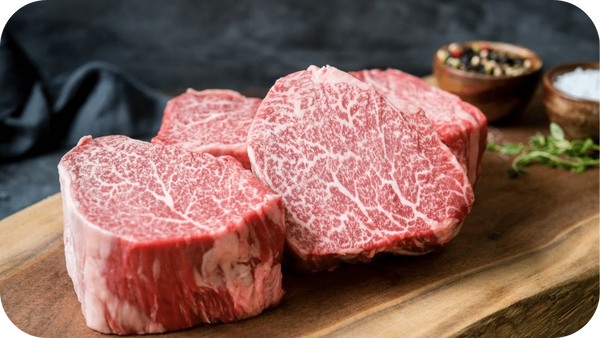

Once dismissed as old-fashioned, organ meats are making a powerful comeback and for good reason. These nutrient-dense cuts were once prized in traditional diets for their ability to nourish the body from the inside out.
Today, modern science backs what our ancestors always knew: organ meats are nutritional powerhouses packed with essential vitamins, minerals, and high-quality protein.
From liver and heart to kidney and brain, these often-overlooked parts offer far more than just sustenance, they deliver concentrated health benefits that muscle meat alone can't match. It’s no wonder health-conscious eaters are putting organ meats back on their plates.
What Are Organ Meats?
Organ meats, also known as offal, refer to the internal organs and entrails of animals commonly used for food. These include the liver, heart, kidneys, brain, tongue, tripe, and sweetbreads. While once a staple in many traditional diets around the world, organ meats fell out of favour in modern Western cuisine.
However, they’re now experiencing a revival thanks to their affordability, sustainability, and unmatched nutrient profile. Whether sourced from beef, lamb, chicken, or pork, organ meats offer a versatile and deeply nourishing addition to any whole-foods diet.
Top 11 Health Benefits of Organ Meats

Here are the first five benefits, each written at approximately 120 words and led with a compelling hook:
1. Improves Heart Health
It might sound ironic, but eating heart supports your own heart. Beef heart is rich in Coenzyme Q10 (CoQ10), a compound essential for heart muscle energy production and overall cardiovascular function. Organ meats also provide potassium, magnesium, taurine, and B vitamins, which help regulate blood pressure, cholesterol, and arterial flexibility.
These nutrients collectively reduce the risk of cardiovascular disease by improving circulation, reducing inflammation, and optimising metabolic health. Unlike processed foods that stress the heart, organ meats offer a natural, nutrient-dense way to support one of your most vital organs.
For anyone serious about long-term heart health, incorporating heart-healthy foods into your diet could be a smart move from the inside out.
2. Rich in High-Quality Protein
Muscle meat may be popular, but organ meats offer a deeper nutritional edge. Cuts like liver, heart, and kidney deliver all nine essential amino acids, vital for muscle repair and recovery.
These proteins are more than muscle fuel, they’re vital for hormone production, enzyme activity, immune defence, and even skin regeneration. And because organ meats also contain beneficial fats and micronutrients, they offer a more complete protein profile than lean cuts alone.
For athletes, gym-goers, or anyone recovering from illness or injury, organ meats provide a natural edge. If you're training hard or simply aiming to stay strong, don’t overlook this powerhouse source of clean, bioavailable protein.
3. Supports Brain and Mental Health

Feeling foggy or forgetful? Your brain might be starving for the nutrients found in organ meats. Liver, brain, and heart are packed with choline, B vitamins, iron, DHA, and copper, all essential for neurotransmitter production, mental clarity, and mood balance.
Choline, in particular, is a precursor to acetylcholine, a key neurotransmitter involved in memory and learning. Deficiencies in these nutrients can lead to fatigue, irritability, and cognitive decline. Instead of reaching for sugary energy fixes or supplements, try a serving of nutrient-dense offal.
Your neurons will thank you. Incorporating organ meats regularly can support long-term brain health and mental performance at every stage of life.
4. Boosts Energy and Red Blood Cell Production
If you're constantly feeling tired, you may be lacking key nutrients found abundantly in organ meats. Liver, spleen, and kidney are loaded with iron, vitamin B12, folate, and riboflavin, the core team your body uses to produce red blood cells and transport oxygen efficiently.
Unlike plant-based sources, the iron in organ meats is heme iron, which your body absorbs far more easily. These nutrients work together to combat anaemia, support adrenal health, and maintain steady energy levels throughout the day. Instead of relying on caffeine, fuel your body at the source.
Adding a few servings of organ meats each week can transform your energy levels naturally, from the inside out.
5. Promotes Healthy Skin, Hair, and Eyes

Forget expensive creams, radiant skin, strong nails, and bright eyes begin with the nutrients in organ meats. Liver is one of the best sources of retinol, the active form of vitamin A that promotes cell turnover and collagen production.
It’s also rich in biotin, zinc, and iron, all vital for healthy hair growth and skin integrity. These nutrients support wound healing, hydration, and even help prevent acne and dry skin. Eyesight also benefits, with vitamin A playing a direct role in night vision and retinal health.
Eating organ meats offers a natural, whole-food way to nourish your skin and features from within, no fancy serums required.
6. Supports Hormonal Health and Fertility
Hormones control everything, from your metabolism and mood to fertility and libido. Organ meats, especially liver and adrenal glands, provide a concentrated source of vitamin A, zinc, cholesterol, and B vitamins, all crucial for hormone synthesis.
These nutrients help maintain thyroid function, testosterone production, and reproductive health in both men and women. Cholesterol, often misunderstood, is actually a building block for hormones like cortisol, oestrogen, and progesterone.
Organ meats also support adrenal health, which plays a major role in how your body handles stress.
Whether you're struggling with fatigue, low libido, or irregular cycles, restoring your nutrient base through organ meats may help reset your hormonal foundation. It’s real food with real results, right down to the cellular level.
7. Environmentally and Economically Sustainable
Eating organ meats supports a more sustainable and ethical food system. By embracing the nose-to-tail approach, you reduce waste and honour the whole animal, something our ancestors instinctively practised.
Organ meats are also far more affordable than prime muscle cuts, yet deliver greater nutrition per bite. For budget-conscious eaters, that’s a win-win.
Choosing organ meats makes the most of each animal raised and reduces the strain on agricultural systems. This approach supports regenerative farming, respects animal life, and promotes a circular, less wasteful economy. It’s not just about your health, it’s about the planet’s, too.
When you eat organ meats, you're making a choice that's both smart for your wallet and kind to the environment.
8. Great for Carnivore, Keto, and Paleo Diets

Whether you're on a carnivore or keto diet, organ meats offer serious nutritional benefits. They're naturally low in carbs, high in healthy fats, and loaded with bioavailable vitamins and minerals that are often lacking in muscle cuts. Even paleo eaters can benefit from making organ meats a regular part of their routine.
For keto followers, liver and heart offer perfect ratios of fat and protein without spiking insulin. Paleo eaters benefit from the ancestral alignment, organ meats are exactly what early humans prized most after a successful hunt.
On the carnivore diet, these nutrient-dense cuts play a key role in supporting muscle health and overall nutrition, helping you meet your body’s needs naturally, without relying on supplements.
They provide a full spectrum of vitamins, from fat-soluble A and K2 to energising B-complexes. Simply put, organ meats help fill the nutritional gaps that modern, lean-meat-only diets often leave behind.
9. Supports Immune Function
Strong immunity starts with the right nutrients, and organ meats are brimming with zinc, selenium, copper, vitamin A, and iron, all key players in a robust immune response. Liver, spleen, and thymus support white blood cell production, antioxidant defence, and inflammation regulation.
Vitamin A, in particular, maintains the integrity of mucosal barriers in the lungs and gut, your body’s first line of defence. Zinc helps fight off pathogens, while selenium enhances the body’s antioxidant systems. These nutrients don’t just fight colds, they help your immune system respond faster, recover quicker, and stay balanced.
With consistent inclusion of organ meats in your diet, your body builds a stronger shield against illness, stress, and fatigue.
10. Promotes Muscle Growth and Repair

Building lean muscle isn’t just about lifting weights, it’s about fuelling your body with the right nutrients to rebuild. Organ meats deliver high-quality protein and offer critical muscle-supportive compounds like creatine, iron, and B vitamins.
Creatine from the heart and liver improves exercise performance and recovery, while B12 and iron help oxygenate muscles and reduce post-workout fatigue. Collagen-rich organs, such as tripe and tendon, supply amino acids that support joint health and connective tissue resilience.
Whether you're a gym-goer or just staying active, organ meats provide the raw materials your body needs to build, repair, and sustain lean muscle mass naturally and effectively.
11. Nutrient Density Like No Other
When it comes to raw nutrition, organ meats outshine almost every food on the planet. Liver, in particular, is so rich in essential vitamins A, B12, folate, iron, copper, and zinc that just a small serving can cover your daily requirements.
Unlike synthetic multivitamins, these nutrients come in highly bioavailable forms, making absorption easier for your body.
You also get a wide spectrum of trace minerals and co-factors that work synergistically to support immunity, metabolism, and cellular health. No need for shelves full of pills, organ meats are the original, whole-food supplement.
If you're after maximum nutrition with minimal volume, nothing beats the density of offal. This is how our ancestors stayed strong, sharp, and energised, and it's time we follow suit.
How to Incorporate Organ Meats Into Your Diet

Curious about organ meats but not sure where to begin? These practical tips make it easy to get all the benefits, without the overwhelm:
- Start with beginner-friendly options: Liver and heart are the most approachable for new eaters, offering rich nutrients with a familiar meaty taste.
- Soak to soften flavours: Soaking liver in milk or lemon water helps reduce bitterness and create a smoother, milder flavour profile.
- Master basic cooking methods: Pan-fry liver with onions, grill heart like steak, or slow-cook kidneys to bring out tenderness and reduce odours.
- Pair with bold flavours: Use garlic, herbs, butter, or even citrus to balance the intensity and add depth to the dish.
- Sneak into your favourite meals: Mix finely chopped liver into mince for burgers, meatballs, or spaghetti sauce without altering the taste.
- Use ready-made options: Jerky, pâtés, and freeze-dried capsules offer all the nutrition without the prep, perfect for busy days or travel.
- Explore supplements: Desiccated organ capsules give you the benefits of liver, heart, and kidney in a convenient daily dose.
Who Should Avoid Organ Meats?
Organ meats offer incredible benefits, but they’re not ideal for everyone. Here's when to think twice before loading up your plate:
- Watch your vitamin A intake: High doses of vitamin A in the liver can be harmful, especially for pregnant women or those already supplementing.
- Mind purine sensitivity: Individuals prone to gout or kidney stones should limit intake, as organ meats are high in purines.
- Check for iron overload conditions: People with haemochromatosis may need to avoid iron-rich organs like the liver and spleen.
- Consider cholesterol concerns: While dietary cholesterol affects everyone differently, those on cholesterol-lowering protocols should seek professional advice.
- Allergies and intolerances: Some may react to specific organ proteins. If you're unsure, start small and monitor symptoms.
- Medication interactions: Vitamin K in organs like the liver may interfere with blood thinners such as warfarin, consult your GP if this applies.
- Listen to your body: If organ meats cause digestive discomfort, nausea, or fatigue, reduce quantity or try alternative preparations.
Conclusion
At Carnivore Society, we believe real health starts with real food, and organ meats are as real as it gets. These nutrient-dense cuts aren’t just tradition; they’re a necessity for anyone living a nose-to-tail lifestyle. Whether you’re chasing energy, resilience, or strength, organs deliver the complete package.
We source only the finest quality offal to help you fuel your body the ancestral way, with purpose, power, and purity. Ready to upgrade your diet and performance? Your journey starts here, one bite at a time.