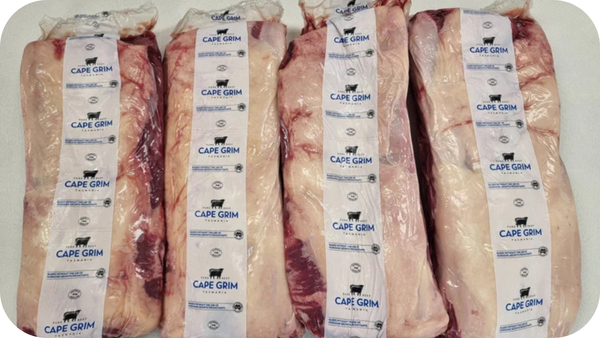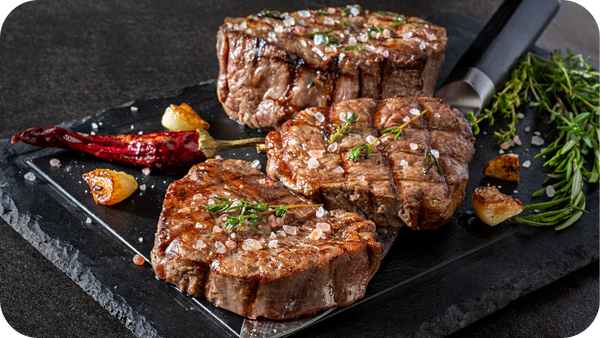

Buying beef in bulk can feel overwhelming. With numerous options, cuts, and suppliers, it’s difficult to know where to begin. There may even be doubts about whether the best deal or the highest quality is being offered. One wrong decision could leave you with meat that doesn’t meet expectations.
However, there’s no need to worry. This guide provides all the essential information needed to buy bulk beef efficiently. From selecting the right cuts to choosing a reliable supplier, this guide makes the entire process straightforward and smart.
Why Buy Beef in Bulk?
Buying beef in bulk is a cost-effective option for households and businesses. It lowers the price per kilogram and reduces frequent trips to the butcher or grocery store. A steady supply ensures you always have premium cuts like rib-eye, brisket, or sirloin ready for any meal.
Bulk purchasing offers variety, allowing you to experiment with different cuts and cooking techniques. It also saves time and effort by eliminating last-minute shopping for steaks or roasts. Proper freezer storage extends the shelf life of bulk beef, preventing waste and maintaining freshness for months.
Additionally, buying in bulk allows you to better control which portioning. You can cut, freeze, or cook according to your needs. This helps with meal planning and reduces food waste.
With affordability, convenience, and flexibility, purchasing beef in bulk is a smart choice for those looking to save money and streamline meal preparation.
Types of Beef Available in Bulk

Depending on your needs and preferences, you have various options when buying beef in bulk. Here are the most common types of beef available in bulk:
1. Whole Beef
Buying whole beef is the most economical option for those with sufficient storage space. Whole beef typically includes a variety of cuts, such as brisket, rib-eye, and sirloin.
This method allows you to portion out your cuts, choosing how much to store and how to prepare each portion. It's an excellent choice for large families or those looking for the best value.
2. Beef Cuts (Ribeye, Sirloin, Brisket, etc.)
For those who prefer specific cuts, bulk beef is available in various popular options, like rib-eye steaks, sirloin, brisket, and tenderloin.
This option lets you focus on your favourite cuts without purchasing the entire animal. Whether you're preparing steaks, roasts, or slow-cooked dishes, buying bulk cuts ensures a steady supply of premium beef for your meals.
3. Ground Beef

Bulk ground beef is a go-to option for families and businesses that require large quantities for versatile cooking. Whether for burgers, meatballs, or tacos, ground beef is a staple in many kitchens.
When buying in bulk, you can get a higher-quality product at a reduced price per kilogram. It's also easy to portion out and store for long-term use, especially in the freezer.
4. Beef Bones
Beef bones are often overlooked, but they offer great value for those making stocks, broths, or soups. Buying beef bones in bulk is cost-effective and provides high-quality ingredients for slow cooking.
The long-simmering process extracts deep flavours and nutrients, making them a fantastic addition to your kitchen pantry for rich, savoury dishes.
5. Grass-Fed vs. Grain-Fed Beef
Bulk beef can be sourced from either grass-fed or grain-fed cattle. Grass-fed beef is leaner, with a slightly more distinct, natural flavour and is often considered healthier due to its lower fat content.
On the other hand, grain-fed beef tends to be more marbled, offering a richer taste and more tender texture. Your choice depends on your taste preferences and dietary needs, with both offering distinct benefits.
6. Frozen vs. Fresh Beef
You can choose between fresh or frozen options when purchasing beef in bulk. Fresh beef provides the advantage of immediate use and flavour, but it has a shorter shelf life.
However, frozen beef can be stored for extended periods, making it ideal for long-term storage. Freezing also helps preserve the meat’s quality, allowing you to purchase larger quantities without worrying about spoilage.
How to Choose a Bulk Beef Supplier

Choosing the right bulk beef supplier ensures you get high-quality, fresh meat at a fair price. Here’s a guide to help you select a trusted supplier that meets all your beef-buying needs.
- Reputation and Reviews: Check customer reviews and testimonials to assess reliability and quality. A trusted supplier consistently provides high-quality beef and earns positive feedback from satisfied buyers.
- Sourcing and Quality: Ensure the supplier follows ethical sourcing practices and provides grass-fed, hormone-free, and antibiotic-free beef. Transparency in sourcing guarantees top-quality meat from reputable farms.
- Certifications and Standards: Look for certifications such as organic, grass-fed, or hormone-free labels. These ensure the beef meets strict quality and ethical standards, offering greater confidence in your purchase.
- Pricing and Value: Compare prices across suppliers to get the best value without compromising quality. While bulk beef is usually cost-effective, unusually low prices may indicate inferior meat.
- Delivery and Shipping: Verify delivery reliability, shipping costs, and packaging methods to ensure your beef arrives fresh. Some suppliers offer local delivery for added convenience.
- Customer Service and Support: Choose a supplier with responsive customer service that promptly addresses inquiries about products, shipping, and handling. Reliable support ensures a smooth and hassle-free purchasing experience.
How Much Beef to Buy for Your Needs
Estimating the right amount of beef in bulk ensures you avoid waste while having enough for your meals. Plan based on the number of people you need to feed.
A good guideline is 200g–250g of beef per person for a hearty portion. For fattier cuts like short ribs or brisket, buy slightly more to account for shrinkage during cooking.
For frequent home cooks, purchasing 2kg–5kg at a time is ideal. Businesses should calculate based on weekly servings while allowing for fluctuations in demand. If unsure, start with a smaller order and track consumption to adjust future purchases.
Proper storage is essential for maintaining freshness. Freeze beef in smaller portions, label packages with dates, and store at -18°C or lower. By estimating needs accurately and storing beef correctly, you can reduce waste and ensure a steady supply for your household or business.
Benefits of Buying Locally
Buying beef locally offers more than just great taste, it connects you to your community and food sources. Here are the key benefits of choosing locally sourced meat for your table.
1. Ethically Raised Beef
Locally and ethically sourced grass-beef comes from farms that prioritise animal welfare and sustainable practices. These smaller farms often use fewer chemicals and hormones, producing higher-quality meat while ensuring responsible and humane cattle-rearing methods.
2. Fresher and Better-Tasting Meat
Beef purchased locally is fresher than meat transported over long distances. It retains superior flavour, tenderness, and juiciness without prolonged storage or shipping, giving you a noticeably better dining experience with every bite.
3. Stronger Local Economy
Supporting local farmers keeps money within the community, helping small businesses and agriculture thrive. This strengthens regional food systems, encourages sustainable farming, and creates more jobs, ensuring long-term economic stability for local producers.
4. Lower Environmental Impact
Buying locally reduces carbon emissions from transportation and supports eco-friendly farming practices. With fewer miles travelled, local beef contributes to a greener food system, reducing waste and promoting more environmentally conscious consumption habits.
5. Higher Food Quality and Safety
Locally sourced beef undergoes fewer processing steps, reducing the need for preservatives and additives. This ensures a cleaner, more natural, and nutrient-rich product while providing greater transparency in farming and production methods.
Storage Tips for Bulk Beef

Proper storage of bulk beef is essential to maintaining its quality and freshness. Let’s examine the best practices for keeping beef in top condition.
- Freeze Beef Immediately: If you won't be using your bulk beef immediately, freeze it as soon as possible to maintain its freshness and prevent spoilage. Divide it into smaller portions for easy use later.
- Use Proper Packaging: Wrap beef in plastic wrap or butcher paper before placing it in freezer bags or airtight containers. This prevents freezer burn and keeps the meat tasting fresh. Ensure packaging is sealed tightly to avoid air exposure.
- Label and Date: Mark each portion with the date of purchase or freezing. This helps track storage time, ensuring you use the oldest beef first for optimal freshness.
- Store in the Coldest Freezer Zone: Keep beef in the coldest section of your freezer at -18°C or lower. This ensures fast freezing and maintains a consistent temperature.
- Thaw Beef Safely: Thaw in the refrigerator overnight for the safest results. Avoid room-temperature thawing to prevent bacteria growth. Use a microwave or cold-water bath for quicker thawing.
- Use Within Recommended Timeframes: Consume frozen beef within 6-12 months for the best texture and flavour. Always check for freezer burn or unusual odours before cooking.
Common Mistakes to Avoid When Buying Bulk Beef

Buying bulk beef can be a significant investment, but there are a few common pitfalls to watch out for. Avoid these mistakes to ensure you get the best quality, value, and convenience when purchasing beef in bulk!
- Not Researching the Supplier: Failing to check supplier reviews can result in poor-quality beef or unreliable delivery. Always verify their reputation to ensure consistent quality and service.
- Buying Too Much: Overestimating your needs can lead to wasted meat if not stored correctly. Calculate consumption beforehand to avoid excess and ensure proper usage.
- Ignoring Storage Needs: Insufficient freezer space can create storage issues. Before purchasing bulk beef, confirm your freezer can accommodate the quantity while allowing for proper air circulation.
- Choosing the Wrong Cuts: Selecting unsuitable cuts can impact your cooking results. Choose cuts that align with your preferred cooking methods to maximize flavour and tenderness.
- Not Checking for Freshness: Neglecting to inspect beef upon arrival may lead to receiving subpar meat. Always check for spoilage, off smells, or freezer burn before storing.
- Overlooking Delivery Costs: Forgetting to account for shipping fees can make bulk beef purchases less economical. Always inquire about delivery costs to ensure the best overall value.
Conclusion
When done right, buying bulk beef is a smart, cost-effective choice. You can enjoy premium cuts without the hassle of understanding your needs, choosing a trusted supplier, and ensuring proper storage.
Ready to stock up? Visit Carnivore Society today for high-quality, ethically sourced beef delivered straight to your door. Your next great meal is just a click away!