
Building muscle usually comes with one big assumption. You need carbs! Yet more athletes are experimenting with meat-only diets and questioning that rule.
If the carnivore diet removes rice, oats, and vegetables, can you still grow muscle effectively? Many beginners worry that their strength or performance might suffer.
In this guide, we break it all down. You’ll see how muscle growth works on a carnivore diet, how much meat you may need, and the best foods to support training.
Can You Build Muscle on the Carnivore Diet?
Yes, you can build muscle on the carnivore diet if you eat enough high-quality protein, consume sufficient total calories, and follow a consistent strength training programme. Meat, eggs, and fish provide complete protein, essential amino acids, creatine, iron, and B vitamins that support muscle growth. The key is eating enough food, choosing nutrient-dense animal foods, and prioritising recovery.
How Muscle Growth Works
Muscle growth occurs through a process known as muscle protein synthesis, which happens when muscle fibres repair and rebuild after resistance training. Activities such as weightlifting create small amounts of stress and microscopic damage in muscle tissue.
The body responds by repairing these fibres and making them slightly larger and stronger, leading to gradual muscle growth over time.
Protein plays a critical role in this process because it provides the amino acids required to repair and build muscle tissue. Consuming enough high-quality protein after training helps stimulate muscle protein synthesis and supports recovery.
Adequate calorie intake is also important. When the body receives enough energy from food, it can prioritise muscle repair and growth rather than simply maintaining basic functions. Rest and recovery are equally essential. Muscles grow during recovery periods, not during the workout itself.
When combined with progressive strength training, sufficient protein, and proper recovery, the body can effectively build and maintain muscle mass.
Why Meat Is Ideal for Muscle Building
Meat contains several nutrients that play a direct role in muscle growth, strength development, and recovery. Here are key reasons meat works so well for building muscle.
1. Complete Protein with Essential Amino Acids
Muscle growth requires all essential amino acids, and meat naturally provides them in complete protein form. Beef, lamb, pork, poultry, and fish contain the amino acids needed for muscle protein synthesis after training.
Because these proteins are highly bioavailable, the body can absorb and use them efficiently. This makes meat one of the most reliable foods for supporting muscle repair and growth.
2. High Leucine Content for Muscle Protein Synthesis
Leucine is a key amino acid that helps trigger muscle protein synthesis, the process responsible for muscle repair and growth. Meat is naturally rich in leucine, making it particularly effective for supporting recovery after resistance training.
Consuming meat after workouts provides the amino acids required to rebuild muscle fibres and gradually increase muscle mass over time.
3. Natural Creatine for Strength and Power
Creatine plays an important role in producing energy during short bursts of intense exercise, such as weightlifting or sprinting. Red meat naturally contains creatine, which helps support strength, performance and muscular power.
Regularly consuming meat provides this compound through whole foods, supporting better training output and helping athletes push harder during workouts.
4. Rich in Iron and B Vitamins
Iron and B vitamins are essential for energy production and oxygen transport within the body. Meat provides highly absorbable forms of these nutrients, especially heme iron and vitamin B12.
These nutrients help support endurance, reduce fatigue, and maintain healthy muscle function. Adequate intake of these nutrients can improve workout performance and support muscle development.
5. Nutrient Density Supports Recovery
Muscle growth depends not only on protein but also on overall nutritional support. Meat provides zinc, selenium, and other micronutrients that contribute to recovery and immune function.
These nutrients help the body repair tissues and adapt to training stress. Regularly eating nutrient-dense meat can therefore support both recovery and long-term muscle-building progress.
Best Meat Choices for Building Muscle

Choosing the right meat cuts can make a significant difference when aiming to build muscle on a carnivore diet. Here are some excellent options.
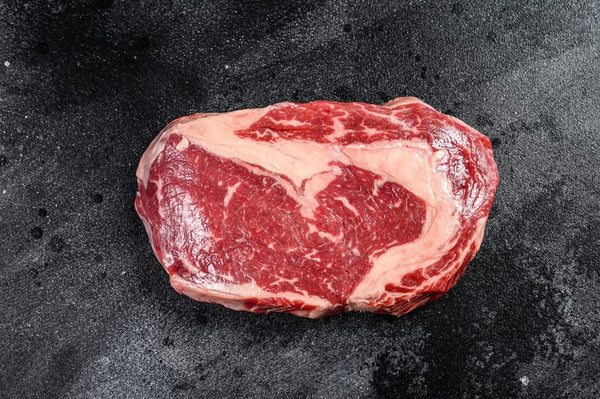
1. Ribeye
Ribeye is a popular choice for muscle building because it contains a good balance of protein and natural fat. The high-quality protein supports muscle repair after training, while the fat provides sustained energy for demanding workouts.
Ribeye also contains important nutrients such as iron, zinc, and B vitamins that contribute to muscle recovery and overall physical performance.
2. Rump Steak
Rump steak offers a strong protein content with moderate fat, making it a reliable option for muscle growth. It provides essential amino acids required for muscle protein synthesis while remaining versatile for grilling or pan cooking.
Many athletes include rump regularly because it delivers high-quality protein and supports consistent muscle repair after strength training sessions.
3. Beef Mince
Beef mince is one of the most practical meats for building muscle. It is affordable, easy to cook, and rich in protein. Higher-fat mince can provide additional calories needed for recovery and muscle growth.
Many people prepare mince as patties or simple bowls, making it a convenient everyday meal that supports both protein intake and energy requirements.
4. Lamb Chops
Lamb chops are nutrient-dense and provide both protein and healthy fats, making them ideal for muscle-building meals. They contain important nutrients such as iron, zinc, and vitamin B12 that help support energy production and muscle recovery.
Lamb also delivers a rich flavour, which makes it easier to maintain consistent protein intake while following a carnivore diet.
5. King Salmon
Salmon is a valuable addition to a carnivore-style muscle-building plan. It provides high-quality protein along with omega-3 fatty acids that support recovery and reduce inflammation after intense workouts.
Including fish such as salmon helps add variety to the diet while contributing important nutrients that support muscle repair and overall training performance.
6. Organ Meats
Organ meats such as beef liver and heart are extremely nutrient-dense and can support muscle growth when included occasionally. They provide high levels of vitamins and minerals, including vitamin A, iron, and B vitamins.
These nutrients assist in energy metabolism and red blood cell production, both of which are important for maintaining strength and endurance during regular resistance training.
How Much Meat Should You Eat to Build Muscle?
Building muscle on the carnivore diet largely depends on consuming enough protein and total calories to support muscle repair and growth. Most people aiming to gain muscle typically eat around 1.6 to 2.2 grams of protein per kilogram of body weight per day.
Because meat is the primary protein source on the carnivore diet, this usually translates to roughly 800 grams to 1.5 kilograms of meat daily, depending on body size and activity level.
Athletes and individuals performing regular strength training may require the higher end of this range to support recovery and muscle development. Meals often include nutrient-dense cuts such as ribeye, rump, beef mince, lamb, and eggs to maintain consistent protein intake throughout the day.
Fat intake also plays an important role. Choosing fattier cuts of meat helps provide the calories needed for muscle growth and sustained training performance.
Ultimately, the right amount of meat is the portion that supports strength gains, recovery, and steady muscle development.
Benefits of Building Muscle on a Carnivore Diet

The carnivore diet offers several advantages for people focused on strength training and muscle growth. Here are key benefits commonly associated with this approach.
- High Protein Intake: Meat-based meals provide large amounts of complete protein, supplying essential amino acids required for muscle repair and growth after resistance training.
- Nutrient-Dense Foods: Animal foods contain iron, zinc, B vitamins, and creatine that support strength performance, muscle recovery, and overall physical function during demanding training routines.
- Strong Satiety Levels: Protein and fat-rich meals help maintain satiety, reducing unnecessary snacking and helping individuals maintain consistent eating habits that support muscle development.
- Simplified Meal Planning: Focusing on meat, eggs, and seafood removes complicated recipes and macros, making it easier to maintain consistent protein intake for muscle-building goals.
- Natural Creatine Intake: Red meat naturally contains creatine, which supports strength output and energy production during intense workouts and resistance training sessions.
Potential Challenges of Building Muscle on Carnivore
Although muscle growth is possible on a carnivore diet, beginners may face certain challenges when adapting their training and nutrition to this diet.
- Lower Carbohydrate Availability: Removing carbohydrates may reduce quick energy during high-intensity workouts for some individuals, particularly during the early adaptation period.
- Ensuring Enough Calories: Muscle growth requires sufficient calorie intake, and some people may accidentally under-eat when switching to simple carnivore meals.
- Limited Food Variety: The diet’s focus on animal foods may reduce meal variety, which some individuals find challenging to maintain over time.
- Adaptation Period for Training: Strength performance may temporarily fluctuate as the body adjusts to using fat rather than carbohydrates for fuel.
- Planning Protein Intake Properly: Consistent muscle growth requires adequate protein intake across meals, which means carefully planning portion sizes and meat selections.
Tips for Building Muscle Successfully on the Carnivore Diet
Building muscle on a carnivore diet requires a combination of proper training, adequate nutrition, and consistent recovery. Here are helpful tips to support muscle development.
- Eat Enough Meat: Consuming adequate portions of meat ensures sufficient protein intake to support muscle repair and growth after resistance training.
- Prioritise Fatty Meat Cuts: Choosing cuts such as ribeye, brisket, and lamb chops helps provide additional calories needed to support demanding training routines.
- Train with Progressive Overload: Gradually increasing weight, repetitions, or intensity during workouts helps stimulate muscle growth over time.
- Focus on Recovery: Adequate sleep and recovery allow muscles to repair and grow after training sessions.
- Maintain Consistent Eating Habits: Eating regular, nutrient-dense carnivore meals helps maintain steady protein intake necessary for muscle development.
Fuel Muscle Growth with Premium Meat
Building muscle on the carnivore diet is absolutely possible when training, protein intake, and calorie consumption are properly aligned. Consistency is key.
Nutrient-dense animal foods provide the amino acids, fats, and minerals needed to support strength, recovery, and steady muscle development.
Ready to train stronger? Power your muscle-building meals with premium cuts from Carnivore Society.