
Low-carb diets are booming in Australia, with millions turning to keto and carnivore for fat loss. But here’s the catch. Which one actually works better?
Both diets slash carbs. Both promise faster fat burning. Yet the rules are completely different, and many people end up confused, stalled, or bouncing between them.
In this guide, we break it down clearly. You will see how the carnivore diet and keto work, their key differences, and which approach may support fat loss more effectively.
What Is the Carnivore Diet?
The carnivore diet is a dietary approach that focuses exclusively on animal-based foods. It typically includes meat, fish, eggs, and animal fats while eliminating plant foods such as vegetables, fruits, grains, legumes, nuts, and seeds.
The main goal of the diet is to simplify nutrition by relying on nutrient-dense animal products that provide protein, fats, and essential vitamins and minerals.
Most people following the carnivore diet prioritise foods like high-quality beef, lamb, pork, poultry, seafood, and organ meats. These foods supply nutrients such as iron, vitamin B12, zinc, and high-quality protein that support muscle maintenance and energy levels.
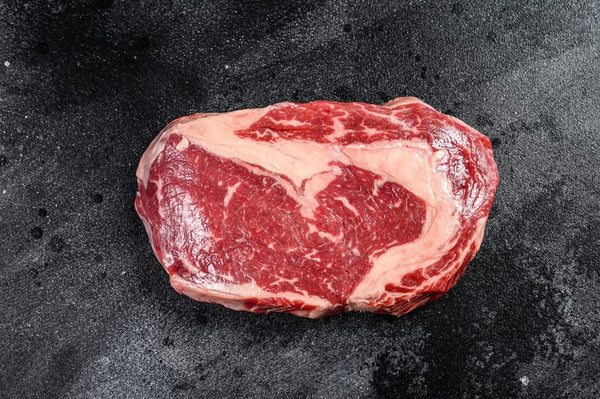
Some of the best beef cuts include Ribeye, Porterhouse, Chuck roll, Eye Fillet, Brisket, Short ribs and Beef Rump.
Some variations of the diet also include dairy products like butter or cheese, although stricter versions limit intake to meat, salt, and water.
The carnivore diet is often considered an extreme form of low-carbohydrate eating because it removes nearly all carbohydrate sources. By focusing entirely on animal foods, the diet encourages the body to rely primarily on fat and protein for energy rather than carbohydrates.
What Is the Keto Diet?

The ketogenic diet, commonly known as the keto diet, is a low-carbohydrate, high-fat eating approach designed to shift the body into a metabolic state called ketosis. In ketosis, the body burns fat for energy instead of relying primarily on carbohydrates.
This metabolic shift occurs when carbohydrate intake is significantly reduced, typically to around 20 to 50 grams per day.
A typical keto diet includes foods such as meat, fish, eggs, dairy, nuts, seeds, healthy oils, and low-carbohydrate vegetables. These foods provide the fats and moderate protein needed to maintain ketosis while limiting foods high in carbohydrates like bread, pasta, rice, sugary snacks, and most fruits.
The main goal of the keto diet is to encourage the body to use stored fat as a fuel source. Many people adopt this approach to support fat loss, improve blood sugar control, or reduce carbohydrate consumption while still maintaining a varied diet that includes both animal and plant-based foods.
Carnivore Diet vs Keto: Key Differences

Low-carbohydrate diets often appear similar at first glance, yet the carnivore diet and keto operate quite differently in practice. Here are the key differences that shape how each diet works.
1. Food Variety
The carnivore diet restricts food choices almost entirely to animal-based products such as beef, lamb, pork, poultry, seafood, eggs, and animal fats. Vegetables, fruits, grains, and plant-based foods are removed completely.
Keto allows a broader range of foods, including low-carbohydrate vegetables, nuts, seeds, dairy, and plant oils. This wider food variety means keto meals can include salads, sauces, and mixed dishes, while carnivore meals remain centred around meat.
2. Carbohydrate Intake
Carbohydrate intake is one of the clearest differences between the two diets. The carnivore diet generally contains zero or extremely minimal carbohydrates because it excludes plant foods.
Keto, on the other hand, permits a controlled amount of carbohydrates, usually around 20 to 50 grams per day. These carbohydrates often come from leafy vegetables, nuts, berries, or dairy products while still keeping the body in ketosis.
3. Meal Simplicity
Meal preparation for the carnivore diet tends to be simpler. Most meals consist of one or two ingredients such as steak, eggs, beef mince, or lamb chops.
Keto meals can involve several ingredients, combining meats with vegetables, cheeses, and sauces. While this provides more variety, it also means keto often requires additional meal planning and attention to carbohydrate content.
4. Source of Dietary Fats
Fat intake plays an important role in both diets, but the sources differ. On the carnivore diet, fats typically come from animal sources such as fatty cuts of beef, lamb fat, butter, ghee, and beef tallow.
Keto diets include both animal and plant fats. Common keto fat sources include olive oil, avocado, coconut oil, nuts, seeds, and dairy products like cream and cheese.
5. Nutritional Approach
The carnivore diet follows a strict animal-based nutritional approach, relying on meat, organs, eggs, and seafood for nutrients. Advocates believe these foods provide highly bioavailable vitamins and minerals.
Keto follows a mixed nutritional strategy by combining animal foods with selected low-carbohydrate plant foods. This approach offers a wider spectrum of ingredients while still maintaining very low carbohydrate intake.
6. Ease of Following the Diet
Some people find the carnivore diet easier because it removes most food decisions. With fewer allowed foods, meals become straightforward and repetitive, which can reduce decision fatigue.
Keto may require more tracking because carbohydrate intake must stay within a specific daily range to maintain ketosis. However, others find keto easier long-term because it allows more variety and flexibility.
Carnivore vs Keto for Fat Loss
Both diets reduce carbohydrates, yet they approach fat loss differently through food choices, macronutrients, and meal structure. Here is how they compare.
| Factor | Carnivore Diet | Keto Diet |
|---|---|---|
| Carbohydrate Intake | Nearly zero carbohydrates because plant foods are eliminated. This often keeps insulin levels low and may support fat burning through strict carbohydrate restriction. | Very low carbohydrates, typically 20–50 grams per day. Small amounts of vegetables, nuts, or dairy provide limited carbs while maintaining ketosis. |
| Protein Intake | Generally higher in protein because meals focus heavily on meat, eggs, and seafood. Higher protein intake can support satiety and muscle maintenance during fat loss. | Moderate protein intake to maintain ketosis. Excess protein may be limited because it can potentially affect ketone production in some individuals. |
| Fat Sources | Fats mainly come from animal sources such as ribeye, brisket, butter, and tallow. Fat intake often occurs naturally through fatty meat cuts. | Fat sources include both animal and plant fats such as olive oil, avocado, butter, cream, and fatty meats. |
| Appetite Control | Many people report strong satiety because meals are rich in protein and fat. This can naturally reduce calorie intake without strict tracking. | Ketosis may help reduce hunger signals for some individuals, allowing easier calorie control while maintaining a low-carbohydrate diet. |
| Diet Flexibility | Food choices are very limited to animal foods only, which may simplify decisions but reduce variety. | Offers greater variety through low-carb vegetables, dairy, nuts, and plant-based fats, making it easier for some people to sustain long-term. |
Benefits of the Carnivore Diet for Fat Loss

The carnivore diet is often chosen for its simplicity and strong focus on nutrient-dense animal foods. Here are the key benefits people report when using it for fat loss.
- High Satiety from Protein and Fat: Meat-based meals are naturally rich in protein and fat, which can help people feel full for longer and reduce frequent snacking.
- Simplified Food Choices: Removing plant foods and processed ingredients makes meals straightforward, which can reduce decision fatigue and help maintain consistent eating habits.
- Reduced Processed Food Intake: The diet focuses on whole animal foods such as beef, lamb, eggs, and seafood, limiting exposure to ultra-processed foods that may contribute to excess calories.
- Stable Energy Levels: Very low carbohydrate intake may lead to steadier energy levels throughout the day as the body relies more on fat for fuel.
- Natural Calorie Control: Because carnivore meals are highly satisfying, many people naturally eat fewer calories without needing to track food intake closely.
Benefits of the Keto Diet for Fat Loss
The ketogenic diet remains one of the most popular low-carbohydrate approaches for weight management. Here are several benefits it may offer for fat loss.
- Ketosis Supports Fat Burning: When carbohydrates are restricted, the body enters ketosis and begins using stored fat as a primary energy source.
- Reduced Hunger Levels: Many people report feeling less hungry on keto diets, which can help maintain a calorie deficit over time.
- Greater Food Variety: Keto allows meats, low-carb vegetables, dairy, nuts, and healthy fats, offering more meal options compared with stricter diets.
- Flexible Meal Planning: The wider ingredient selection makes it easier to create varied recipes and adapt meals to personal preferences.
- Easier Long-Term Adherence: Because the diet includes a broader range of foods, some people find keto easier to follow consistently over extended periods.
Potential Challenges of the Carnivore Diet
Although the carnivore diet is simple, beginners may encounter a few adjustments while transitioning to an all-animal eating approach. Here are common challenges people experience.
- Limited Food Variety: The diet removes plant foods, which means meals revolve around meat, eggs, and animal fats, sometimes leading to reduced meal variety for beginners.
- Social Dining Difficulties: Eating out or attending social events may become challenging because many meals include carbohydrates, vegetables, or sauces that do not fit carnivore guidelines.
- Adaptation Symptoms: Some people experience temporary fatigue, headaches, or digestive changes as the body adjusts to extremely low carbohydrate intake.
- Higher Food Costs: Premium meat cuts can increase grocery expenses, particularly when people choose high-quality steaks or specialty meat suppliers.
- Nutritional Debate: Some critics question the long-term balance of eliminating plant foods, which leads to ongoing discussions around micronutrients and dietary variety.
Potential Challenges of the Keto Diet
While keto allows more food variety than carnivore, it still requires careful planning to maintain very low carbohydrate intake. Here are common keto challenges.
- Tracking Carbohydrates: Keto requires monitoring daily carbohydrate intake carefully, which can feel restrictive or time-consuming for some individuals.
- Hidden Carbohydrates in Foods: Many sauces, packaged foods, and dressings contain hidden sugars or carbohydrates that may disrupt ketosis.
- Meal Preparation Complexity: Keto meals often involve several ingredients such as vegetables, fats, and proteins, which may require more preparation than simpler diets.
- Initial Keto Flu: Some beginners experience temporary symptoms like fatigue, headaches, or irritability when the body transitions into ketosis.
- Maintaining Long-Term Consistency: Staying within strict carbohydrate limits can become difficult over time, especially during social occasions or when eating outside the home.
Which Diet Is Better for Fat Loss?

Both the carnivore diet and the ketogenic diet can support fat loss because they significantly reduce carbohydrate intake and encourage the body to rely more on fat for energy.
When carbohydrates are lowered, insulin levels often decrease, which can help the body access stored fat more easily. However, the effectiveness of either diet largely depends on consistency and how well a person can follow the approach long term.
The carnivore diet may support fat loss through simplicity and strong satiety. Meals based mainly on meat and animal fats can make people feel full for longer, which may naturally reduce calorie intake without strict tracking.
Keto, on the other hand, provides more flexibility by allowing low-carbohydrate vegetables, dairy, and plant-based fats. This wider food variety can make the diet easier for some individuals to maintain.
Ultimately, the best diet for fat loss is the one that fits your lifestyle and helps you stay consistent with nutrient-dense foods.
Tips for Choosing the Right Diet
Choosing between carnivore and keto often depends on lifestyle, preferences, and long-term sustainability. Here are practical tips to help decide which diet may suit you best.
- Consider Your Food Preferences: If you enjoy meat-based meals and simple cooking, carnivore may suit you better than keto, which includes vegetables, dairy, and plant fats.
- Think About Meal Simplicity: Carnivore meals are straightforward with fewer ingredients, while keto often requires more planning to balance carbohydrates, fats, and proteins.
- Assess Long-Term Sustainability: Choose a diet you can maintain consistently. A plan that fits your daily routine and social life is more likely to support lasting fat loss.
- Evaluate Your Cooking Style: If you prefer quick steak or mince meals, carnivore may be easier. If you enjoy recipes and variety, keto may offer more flexibility.
- Focus on Food Quality: Regardless of diet choice, prioritising high-quality meats and whole foods helps support better nutrition and sustainable fat loss.
Fuel Fat Loss with Quality Meat
Both carnivore and keto can support fat loss when carbohydrates are reduced, and meals focus on nutrient-dense foods. The real difference lies in simplicity versus flexibility.
Carnivore keeps meals straightforward with animal-based foods, while keto offers more variety through low-carb ingredients and mixed meals.
Ready to elevate your fat-loss journey? Shop premium cuts at Carnivore Society and build powerful, protein-rich meals that support your goals.