
Starting the carnivore diet sounds simple. Just eat meat! But one question quickly pops up. How much meat should you actually eat each day?
Eat too little and energy drops. Eat too lean, and hunger kicks in. Many beginners struggle to find the right balance between protein, fat, and portion sizes.
In this guide, we break it down clearly. You’ll learn typical daily meat amounts, what affects intake, and how to build balanced carnivore meals that actually work.
How Much Meat Should You Eat on the Carnivore Diet?
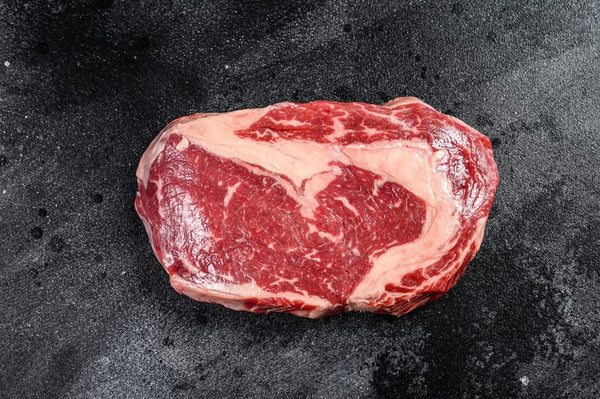
Most people on the carnivore diet eat around 500 grams to 1.5 kilograms of meat per day, depending on body size, activity level, and goals. The right amount usually depends on hunger, satiety, and how much fat is included. Fatty cuts such as ribeye, brisket, lamb chops, and beef mince often work best because they provide both protein and energy.
Why Meat Intake Matters on the Carnivore Diet
Meat intake plays a central role in the carnivore diet because it provides the primary source of protein, fat, and essential nutrients. Unlike mixed diets that include plant foods, carnivore eating relies heavily on animal products to meet the body’s nutritional needs.
The amount of meat consumed therefore directly influences energy levels, satiety, and overall dietary balance.
Protein from meat supports muscle maintenance, recovery, and many important biological functions. At the same time, fatty cuts of meat provide dietary fat, which becomes the main fuel source when carbohydrate intake is extremely low.
Without adequate meat and fat intake, some people may experience fatigue, persistent hunger, or difficulty adapting to the diet.
Meat is also rich in key nutrients such as iron, zinc, vitamin B12, and other micronutrients that support overall health. Choosing nutrient-dense cuts and eating sufficient portions helps ensure the body receives these nutrients consistently.
For these reasons, understanding how much meat to eat is an important part of building a balanced and sustainable carnivore diet.
How Much Meat Do People Typically Eat on the Carnivore Diet?

The amount of meat people eat on the carnivore diet can vary widely depending on body size, metabolism, activity level, and personal goals.
However, many followers typically consume between 500 grams and 1.5 kilograms of meat per day. This range allows most people to meet their protein and fat needs while maintaining steady energy levels.
Beginners often start with two or three meals per day built around nutrient-dense animal foods. For example, a typical day may include steak and eggs for breakfast, beef mince or burgers for lunch, and a larger cut such as ribeye, brisket, or lamb chops for dinner. These meals help provide both protein for muscle maintenance and fat for energy.
Appetite also plays an important role in determining portion sizes. Many carnivore followers eat until they feel satisfied rather than strictly counting calories or weighing portions. Because meat-based meals are highly satiating, some people naturally reduce meal frequency over time.
Ultimately, the right meat intake is the amount that supports energy, satiety, and consistent progress toward personal health goals.
Factors That Affect How Much Meat You Should Eat
Many factors influence how much meat someone needs on the carnivore diet. Here are key elements that commonly determine daily meat intake.
1. Body Size and Weight
Body size plays a significant role in determining meat intake on the carnivore diet. Larger individuals typically require more calories, protein, and fat to support basic body functions and daily activity.
Because meat provides the primary source of nutrition on this diet, people with higher body mass often need larger portions to maintain energy, satiety, and overall nutritional balance throughout the day.
2. Activity Level
Physical activity greatly affects how much meat someone should eat. People who exercise regularly, perform manual labour, or follow intense training routines often require more protein and calories to support recovery and energy needs.
On the carnivore diet, this usually means increasing portion sizes of meat, particularly fatty cuts, to help sustain performance and maintain muscle mass.
3. Metabolic Rate
Metabolism influences how quickly the body burns energy throughout the day. Individuals with faster metabolic rates may require more food to maintain stable energy levels. On the carnivore diet, this often translates to larger portions of meat and fat.
People with slower metabolic rates may find they feel satisfied with smaller portions while still maintaining consistent energy levels.
4. Personal Health Goals
Daily meat intake can vary depending on personal health goals. Someone aiming for fat loss may naturally eat slightly smaller portions as appetite decreases, while individuals focused on muscle gain may increase protein intake to support growth and recovery.
Understanding your primary goal helps determine how much meat should be included in each meal on the carnivore diet.
5. Fat-to-Protein Balance
The balance between fat and protein also influences how much meat a person eats. Lean cuts may require larger portions to feel satisfied, whereas fattier cuts provide more energy in smaller amounts.
Choosing meats with adequate fat content helps maintain satiety, making it easier to follow the carnivore diet without constantly feeling hungry.
Carnivore Diet Portion Guidelines

Understanding portion sizes can help beginners structure carnivore meals more confidently. Here are general guidelines that show how meat intake may vary depending on goals.
1. Meat Portions for Fat Loss
When the goal is fat loss, many people naturally reduce portion sizes as satiety improves on a carnivore diet. Typical daily intake may range between 500 grams and 1 kilogram of meat, depending on body size and appetite.
Choosing fatty cuts such as ribeye, brisket, or lamb chops helps maintain energy while supporting appetite control and steady fat loss progress.
2. Meat Portions for Weight Maintenance
For maintaining body weight, meat intake often falls within a moderate range that supports stable energy and satiety. Many people consume around 800 grams to 1.2 kilograms of meat daily.
Meals usually include a mix of fatty beef cuts, lamb, eggs, and occasionally seafood. Eating until comfortably satisfied rather than strictly measuring portions helps maintain consistency and long-term sustainability.
3. Meat Portions for Muscle Growth
Individuals aiming to build muscle or increase strength may require larger portions of meat to support recovery and protein needs. Daily intake can reach around 1 to 1.5 kilograms of meat depending on training intensity and body size.
Including nutrient-dense cuts such as ribeye, rump, beef mince, and short ribs helps provide both protein and energy for muscle development.
Best Meat Cuts for the Carnivore Diet

Choosing the right meat cuts can make the carnivore diet far more satisfying and nutritionally balanced. Here are some excellent options commonly used in carnivore meals.
1. Ribeye
Ribeye is widely considered one of the best cuts for the carnivore diet because of its rich marbling and natural fat content.
The balance of protein and fat helps maintain satiety and stable energy levels. Ribeye cooks well on a grill or hot pan and delivers strong flavour, making it a favourite choice for many carnivore followers.
2. Brisket
Brisket is a popular cut because it becomes tender and flavourful when slow-cooked. The natural fat layers help provide sustained energy while keeping the meat juicy.
Many people prepare brisket in larger portions for batch cooking, making it convenient for several meals throughout the week while maintaining strong flavour and satisfaction.
3. Short Ribs
Short ribs are valued for their deep flavour and generous fat content. When braised or slow-cooked, the meat becomes extremely tender and rich.
The fat content helps support satiety on a low-carbohydrate diet, making short ribs a satisfying option for hearty carnivore meals while also providing excellent flavour and texture.
4. Lamb Chops
Lamb chops are a classic carnivore choice, especially in Australia, where lamb is widely available. They contain both protein and natural fat, helping create balanced meals that support energy and satiety.
Lamb chops cook quickly on a grill or pan and provide a strong flavour, making them a convenient option for regular carnivore meals.
5. Beef Mince
Beef mince is one of the most practical foods for the carnivore diet. It is affordable, versatile, and quick to cook. Higher-fat mince works best because it improves flavour and satiety.
Many carnivore followers prepare mince as simple bowls or patties, making it an easy, everyday staple that fits well into regular meal planning.
Example Daily Carnivore Meal Structure
A simple daily structure helps beginners organise meals while ensuring adequate protein and fat intake throughout the day on a carnivore diet.
1. Breakfast: Eggs and Beef
Many carnivore followers start the day with a protein-rich meal such as eggs paired with beef mince or steak. This combination provides both protein and fat to support satiety and stable energy levels.
Cooking the eggs in butter or tallow can increase fat intake, which helps fuel the body throughout the morning.
2. Lunch: Steak or Ground Beef Meal
Lunch is often centred around a larger serving of meat such as ribeye, scotch fillet, or ground beef patties. Fatty cuts are commonly preferred because they provide sustained energy and keep hunger under control.
Many people keep this meal simple with just salt and meat to maintain the straightforward nature of the carnivore diet.
3. Dinner: Lamb, Pork, or Seafood
Dinner can provide variety by rotating different animal proteins such as lamb chops, pork belly, or king salmon. These options help diversify nutrient intake while maintaining the animal-based focus of the carnivore diet.
Cooking methods may include grilling, pan-searing, or slow cooking to enhance flavour and tenderness.
4. Optional Snacks: Eggs or Leftover Meat
Some people include snacks between meals, particularly during the early stages of the carnivore diet. Simple options include boiled eggs, leftover steak, or slices of roast meat.
These snacks help maintain energy levels and prevent excessive hunger while the body adapts to a low-carbohydrate eating pattern.
Signs You Are Eating the Right Amount of Meat
Knowing whether you are eating enough meat on the carnivore diet often comes down to how your body responds. Here are common signs your intake is likely balanced.
- Stable Energy Levels: Feeling steady energy throughout the day without frequent crashes often indicates your meat and fat intake is supporting your body’s energy needs.
- Reduced Hunger Between Meals: When meals keep you full for several hours, it usually suggests your portions contain enough protein and fat to maintain satiety.
- Consistent Fat Loss or Weight Stability: Gradual fat loss or stable weight depending on your goal, often signals that your overall food intake is well balanced.
- Good Workout Recovery: Recovering well after exercise or daily activity may indicate your body is receiving enough protein to support muscle maintenance and repair.
- Comfortable Digestion: Smooth digestion without persistent discomfort can be a sign that portion sizes and food choices are working well for your body.
Signs You May Not Be Eating Enough Meat
When meat intake is too low on the carnivore diet, the body often signals it through noticeable physical or energy changes. Here are signs you may need to increase portions.
- Constant Hunger: Feeling hungry shortly after meals may indicate portions are too small or meals lack enough protein and fat to maintain satiety.
- Low Energy Levels: Persistent fatigue or lack of stamina can occur when calorie intake from meat and fat is insufficient to support daily energy demands.
- Poor Workout Recovery: Slow recovery after exercise may suggest the body is not receiving enough protein to repair muscle and support physical activity.
- Frequent Snacking Urges: Wanting to snack regularly can signal that meals are not satisfying enough due to low meat or fat intake.
- Difficulty Maintaining Body Weight: Unintentional weight loss or weakness may occur when overall food intake is too low to support the body’s nutritional needs.
Common Mistakes When Measuring Carnivore Diet Portions

Portion sizes can be confusing when starting the carnivore diet. Here are common mistakes people make when estimating how much meat they should eat.
- Relying Only on Lean Meat: Eating mostly lean cuts can reduce satiety and energy. Including fattier meats helps balance protein and fat intake.
- Undereating Portions: Some beginners eat too little meat because meals feel repetitive. Smaller portions can lead to hunger and low energy.
- Ignoring Hunger Signals: Strictly limiting portions without listening to hunger may make the diet harder to sustain.
- Not Considering Activity Levels: Active individuals often require larger portions of meat to support recovery and daily energy needs.
- Overthinking Portion Sizes: Constantly measuring meat intake may create unnecessary stress instead of focusing on balanced meals.
Tips for Planning Carnivore Meals
Planning meals can help beginners maintain consistency and avoid common carnivore diet mistakes. Here are simple ways to structure daily meals.
- Choose Fatty Cuts First: Prioritising ribeye, brisket, lamb chops, or short ribs helps maintain satiety and energy.
- Cook Meat in Batches: Preparing larger portions in advance makes it easier to maintain carnivore meals during busy days.
- Keep Meals Simple: Steak, mince, eggs, or lamb chops can form balanced meals without complicated recipes.
- Buy Meat in Bulk: Purchasing meat in bulk can reduce costs and ensure a steady supply for weekly meals.
- Include a variety of Animal Foods: Rotating between beef, lamb, pork, seafood, and eggs can help maintain nutritional balance.
Choose Quality Meat for Better Carnivore Results
Finding the right amount of meat on the carnivore diet depends on appetite, activity level, and personal goals. Listening to hunger signals often works better than strict portion rules.
Prioritising nutrient-dense, fatty cuts can help support satiety, energy, and long-term consistency with the diet.
Ready to upgrade your carnivore meals? Shop premium Australian cuts at Carnivore Society and fuel your carnivore lifestyle properly.