Traditional Picanha Roast with Fat Cap Scoring Guide
Introduction
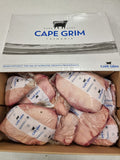
Picanha, known in Australia as the rump cap, is one of the most flavourful roasts you can put on the table. The thick fat cap is the whole point: scored and rendered properly, it protects the meat as it cooks and bastes it with rich, beefy flavour, leaving a crisp golden crust over a juicy, tender centre.
This is the traditional roast approach, with the focus on scoring the fat cap correctly and controlling the heat. A good grass fed rump cap needs little more than salt, since the fat does the heavy lifting.
Ingredients
For 5 servings
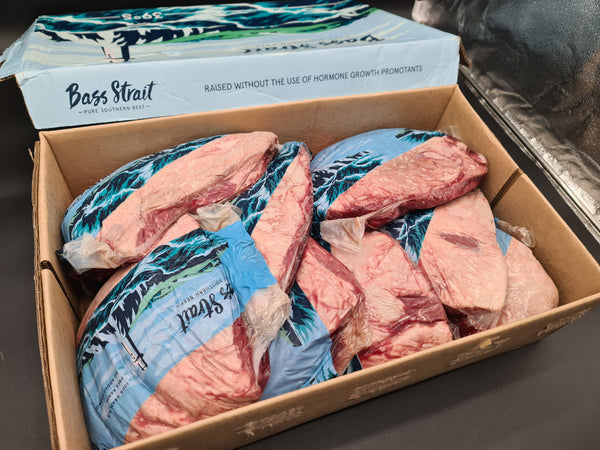
- 1-1.5kgpicanha (rump cap)fat cap on, at room temperature
- 2 tspcoarse sea salt
- 1 tspblack pepperoptional
- 1 tbspbeef tallowfor the pan
Utensils
5 items to gather · Tap to tick off
- Sharp knife
- Heavy ovenproof pan
- Meat thermometer
- Chopping board
- Tongs
Cooking Steps
Score the fat cap
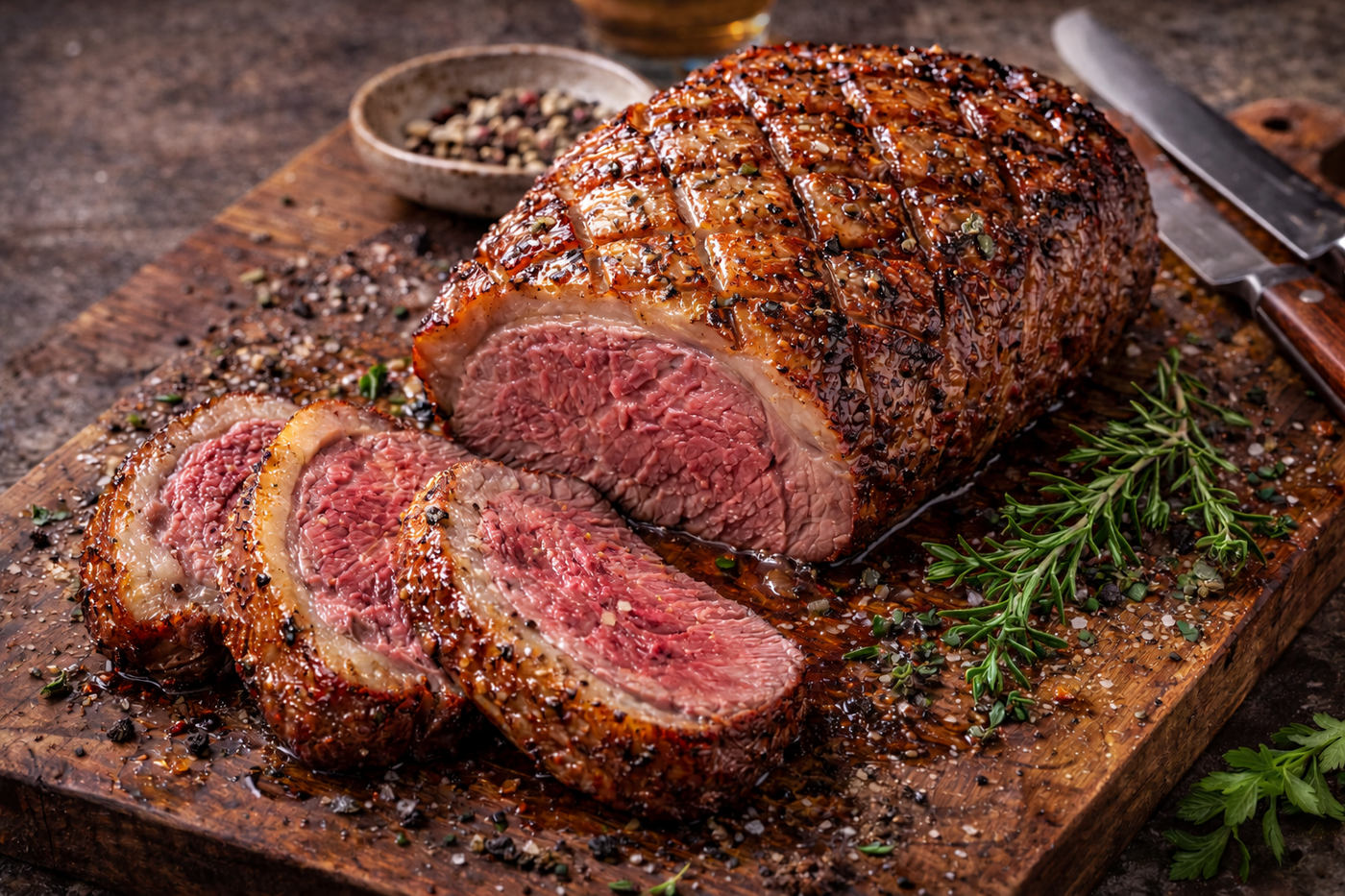
Pat the picanha dry. Score the fat cap in a shallow crosshatch about 1cm apart, cutting into the fat but not the meat. This helps it render and crisp.
Season
Season generously all over with coarse salt, working it into the scored fat. Add pepper if using.
Sear the fat cap
Heat a heavy ovenproof pan over medium high with the tallow. Sear the picanha fat side down for 4 to 5 minutes until the fat renders and turns golden, then briefly sear the other sides.
Roast
Transfer the pan to a 200C oven, fat side up, and roast until the centre reaches 50 to 52C for medium rare, usually 20 to 30 minutes depending on thickness.
Rest
Rest for 10 minutes, loosely tented. The centre will rise to around 54 to 56C.
Slice and serve
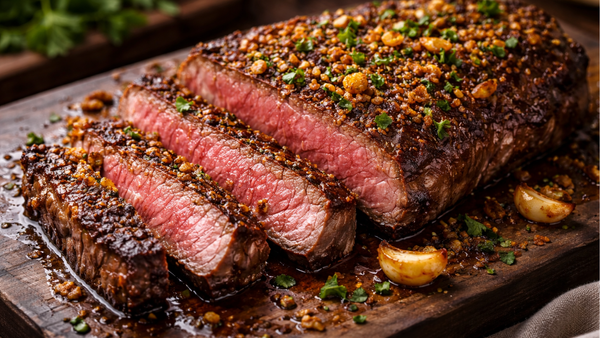
Slice against the grain into thick pieces, keeping a strip of crisp fat on each slice.
Nutrition
Per Serving
Recipe serves 5Nutritional values are estimates only and may vary based on specific ingredients, brands, cuts, cooking method, and portion sizes. For medical or dietary purposes, please consult a qualified nutritionist.
Tips and Pairing
People Also Ask
What cut is picanha? +
Picanha is the rump cap, the triangular muscle on top of the rump with a thick fat cap. It is the star of Brazilian churrasco, prized for its bold beef flavour and the rich, crisp fat that renders over the meat as it cooks. In Australia it is sold as rump cap or picanha.
How do you score a picanha fat cap? +
Score the fat in a shallow crosshatch about 1cm apart, cutting into the fat but stopping before the meat. Scoring helps the fat render evenly and crisp up rather than seizing, and it lets the salt penetrate. Keep the cuts even so the cap browns uniformly.
What temperature should picanha be cooked to? +
Pull picanha at 50 to 52C for medium rare, then rest it so it climbs to around 54 to 56C. Picanha is best kept pink, since overcooking firms up this lean muscle. Use a thermometer in the thickest part and rest before slicing.
Should you cook picanha fat side up or down? +
Sear it fat side down first to render and crisp the cap, then roast it fat side up so the rendering fat bastes the meat. This two stage approach gives you a deeply browned, crisp fat cap and a juicy, evenly cooked centre.
How do you slice picanha? +
Rest the picanha, then slice against the grain into thick pieces, keeping a strip of the crisp fat on each slice. Cutting across the grain keeps each piece tender, and the band of rendered fat carries much of the flavour, so it is worth sharing evenly.