
Tasmania, Australia – The Australian ethical food industry is in turmoil after shocking footage surfaced, leading to the RSPCA revoking Huon Salmon’s Approved Farming Scheme certification.
The footage, allegedly leaked by animal welfare activists, exposes disturbing conditions in Huon’s fish farms, raising serious concerns about the company’s farming practices.
The Disturbing Revelations
The video, reportedly taken inside Huon’s Tasmanian salmon pens, reveals:
- Severely overcrowded enclosures: causing stressed and injured fish.
- Salmon infested with sea lice: signalling poor farm management.
- Reports of excessive antibiotic use: sparking sustainability concerns.
- Dead and dying fish left floating in tanks: raising hygiene and disease control issues.
The RSPCA acted swiftly, launching an investigation that ultimately resulted in Huon losing its certification. The decision has sent shockwaves through the industry, as Huon was previously considered one of Australia’s most reputable salmon producers.
JBS Under Fire—Again

Huon Salmon is now owned by JBS, the world’s largest meat processor, a company that has faced repeated scrutiny over ethical violations in its global meat operations. JBS has a long and controversial history regarding animal welfare, sustainability, and corporate ethics.
The company has been the subject of multiple scandals, including allegations of deforestation in the Amazon, labour rights violations, and price-fixing schemes. Their acquisition of Huon Salmon was met with scepticism by environmentalists, who feared the seafood giant would adopt the same cut-cost, high-profit model that JBS has been accused of in the meat industry.
This latest scandal has raised major concerns about JBS’s commitment to ethical farming across all its sectors, including beef. Consumers are now questioning whether JBS’s other operations, including its beef processing plants, uphold the same low standards exposed in the Huon investigation.
For those who prioritise truly ethical meat, this serves as a reminder to choose suppliers with transparent, accountable farming practices—a value that Carnivore Society continues to uphold.
What This Means for Ethical Meat in Australia
The Huon scandal doesn’t just impact seafood—it casts a shadow over ethical food labelling as a whole. If one major company can lose its certification due to poor welfare standards, it begs the question: how many other food producers are cutting corners?
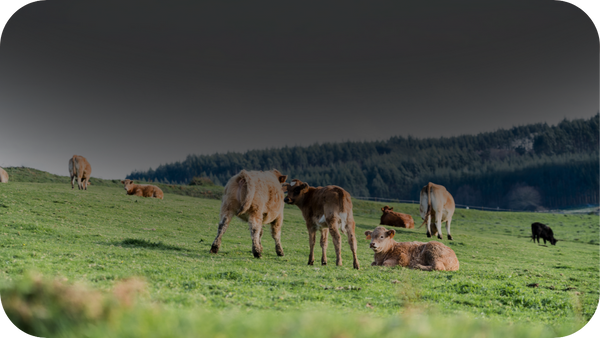
For ethical beef producers like Carnivore Society, this scandal serves as a reminder that transparency and accountability are non-negotiable. As a supplier of grass-fed, free-range beef, Carnivore Society continues to prioritise humane animal treatment, sustainability, and antibiotic-free farming to maintain the trust of Aussie consumers.
More than ever, ethical meat producers must be proactive in demonstrating their commitment to high standards. The loss of consumer confidence in one industry affects the perception of all ethical food certifications. This means producers need to go beyond labels, providing clear sourcing information, independent audits, and consistent transparency to maintain credibility.
With the growing demand for ethical meat, this is an opportunity for trusted suppliers to set themselves apart. Those who genuinely uphold ethical practices will earn consumer loyalty and strengthen the future of sustainable farming in Australia.
Consumers Urged to Research Before Buying

Following this revelation, ethical food shoppers are being advised to dig deeper before trusting certification labels. While ethical certifications can provide some assurance, they are not foolproof, and recent scandals prove that even major brands can fail to meet their standards.
To ensure you’re buying truly ethical meat and seafood, consider these steps:
- Look Beyond Labels – Research brands to see if they walk the talk by investigating their sourcing and welfare practices.
- Choose Trusted Producers – Smaller, independent brands often have greater transparency and direct relationships with their suppliers.
- Support Ethical Beef & Seafood – Brands like Carnivore Society source ocean-caught King Salmon from New Zealand, which is hormone-free, antibiotic-free, and hand-harvested, ensuring the highest ethical standards.
- Ask Questions – Engage with suppliers, ask about their farming methods, and look for independent audits that confirm their claims.
- Stay Informed – Follow updates from industry watchdogs, animal welfare groups, and independent investigations to make well-informed purchasing decisions.
Final Thoughts: A Turning Point for Ethical Farming?
The loss of Huon Salmon’s RSPCA certification is more than just bad press—it’s a wake-up call for the entire ethical food industry. Consumers deserve better transparency, and brands must prove their commitment to genuinely sustainable and humane practices.
At Carnivore Society, we believe that ethical farming is more than just a marketing term—it’s a responsibility. That’s why our grass-fed, free-range beef and ethically sourced King Salmon meet the highest standards, giving Aussie consumers real ethical choices.