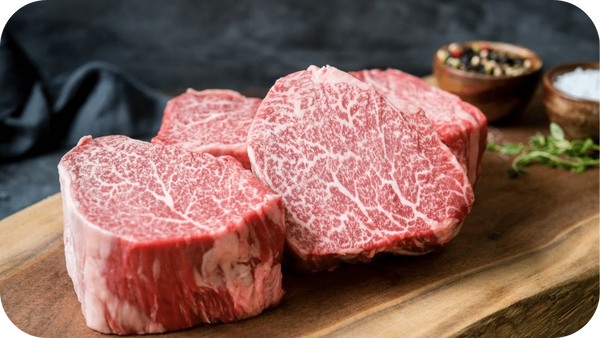

Picture a juicy grass-fed steak hitting a hot grill, the scent rising as the first crust forms, and the kitchen fills with that rich Aussie beef aroma. Moments like this remind you why choosing the right cut matters, not only for flavour but for your health too.
Grass-fed Australian beef offers a cleaner taste, a stronger nutrient profile and a connection to farms that care about how cattle are raised. This article explains what sets grass-fed beef apart, why its nutrition stands out and how it can support the way you cook and eat every week.
What Makes Australian Grass Fed Beef Different
Australian grass-fed beef holds a special place on many family tables because it reflects the land it comes from. The open spaces, the clean air and the natural pastures all shape the flavour and quality you taste every time.
1. How Australian Pasture Systems Shape Beef Quality
Australian cattle spend their lives grazing on wide open pastures filled with seasonal grasses and native plants. This natural diet creates beef with a cleaner and more honest flavour that feels familiar to many Australian households.
The cattle move freely across large properties, which allows them to grow at a calm and steady pace. Farmers pay close attention to soil health, rainfall and pasture rotation so the land continues to produce nutritious feed year after year.
When cattle are raised this way, the beef tends to be leaner, richer in nutrients and more consistent in taste. It is beef that feels true to the landscape and the farming traditions behind it.
2. Role of Climate and Wide Rangelands
Australia is known for its sweeping rangelands and open country, and these wide spaces create ideal conditions for raising grass-fed cattle. With plenty of room to roam, cattle stay active and graze naturally throughout the year.
Many regions have mild conditions that allow pastures to grow for most seasons, giving cattle access to fresh grass rather than stored feed. The clean environment and low population density also reduce stress on animals and limit exposure to pollutants.
As a result, the beef often carries a brighter taste and a firmer texture that cooks well in both quick and slow methods. The climate and land work together to produce beef that feels naturally wholesome and proudly Australian.
3. Animal Welfare and Ethical Farming Standards

Australian farmers take pride in raising cattle with care, patience and respect. Grass-fed systems often place a strong focus on animal welfare because cattle live in conditions that support their natural behaviour.
They graze freely, move comfortably and experience far less confinement than intensive farming setups. Many producers follow strict welfare guidelines that cover everything from handling practices to pasture management. This approach reduces stress in cattle and contributes to a more stable flavour and texture in the meat.
For consumers, it means choosing beef that aligns with values of kindness, responsibility and transparency. When you buy grass-fed Australian beef, you are often supporting farms that want both the land and the animals to thrive for generations.
Nutritional Profile of Grass-Fed Beef
Grass-fed beef brings more to the table than great flavour. It offers a naturally rich nutrient profile that supports everyday health and fits comfortably into the way many Australians enjoy cooking, eating and living. Here is what makes it special.
1. Omega-3 and Omega-6 Balance
Grass-fed beef is valued for its healthier balance of omega fats, which come directly from the grasses cattle eat. Omega-3s are known for their role in heart health and inflammation control, and grass-fed cattle tend to carry higher amounts than cattle raised on grain.
This means each serving can provide more support for everyday well-being without relying on supplements. Many people also find that this natural fatty acid balance contributes to a cleaner-tasting cut with a gentle, pleasant richness.
Since omega-3 and omega-6 levels vary depending on the environment and diet, Australian grass-fed beef often stands out because its grazing systems allow cattle to consume a variety of nutrient-dense plants.
2. Higher Antioxidant and Vitamin Content
Beef from grass-fed cattle contains higher levels of vitamins and antioxidants that support long-term health. These nutrients come from the green pastures cattle graze on, especially plants rich in carotenoids.
Vitamin E, beta carotene and conjugated linoleic acid all appear more prominently in grass-fed beef, and each plays a role in protecting cells and supporting the immune system. Many people appreciate the idea of getting more natural antioxidants through everyday meals rather than relying on fortified products.
This nutritional difference can also influence the colour and freshness of the meat, giving it a vibrant look and a full, robust taste. For families who want nutrient-dense options, grass-fed beef offers real value.
3. Protein Quality and Muscle Support
Grass-fed beef offers high-quality protein with a complete amino acid profile, which makes it a reliable choice for building and maintaining muscle. Athletes, parents and older adults all benefit from cuts that provide steady and efficient protein absorption.
The natural grazing diet helps cattle develop strong muscle tissue, which translates to firm yet tender beef on the plate. This protein quality supports recovery after workouts and keeps you feeling satisfied after meals.
Since protein is one of the most important nutrients for daily energy and strength, many Australians enjoy including grass-fed beef in meal prep, barbecues and weeknight dinners. It is a simple way to add nourishment without overthinking the menu.
4. Lower Overall Fat Content

Grass-fed beef is often leaner because cattle grow at a natural pace on open pastures rather than being finished on concentrated feeds. This results in beef with lower overall fat content, which suits people who want flavour without heaviness.
The lean profile still delivers satisfying taste, especially when cooked with gentle heat or paired with fresh sides. For anyone managing their weight or looking for nutrient-dense meals, grass-fed beef fits easily into a balanced diet.
Many families appreciate that they can enjoy a hearty dinner without feeling weighed down, and the leaner build of the meat also makes portion control more intuitive. It is a wholesome option for cooks who want both taste and health.
Health Benefits Backed by Research
Many Australians choose grass-fed beef for its clean flavour, yet the real story lies in the growing body of research that supports its health advantages. These benefits are measurable, meaningful and reassuring for anyone who cares about long-term wellbeing.
1. Supports Cardiovascular Health
Studies show that grass-fed beef contains higher levels of omega-3 fatty acids and a healthier overall fat profile, both of which can play a role in supporting heart health. These fatty acids help reduce inflammation and may assist in maintaining balanced cholesterol levels when paired with a sensible diet.
Grass-fed beef is also typically leaner, which means fewer saturated fats per serving. Many people appreciate knowing they can enjoy a satisfying steak or roast while still making balanced food choices. Choosing grass-fed beef becomes a simple way to align flavour with heart-conscious eating habits that feel realistic for everyday life.
2. Helps Maintain Metabolic Balance
Research suggests that grass-fed beef may support metabolic health due to its combination of lean protein, healthier fats and Conjugated Linoleic Acid (CLA), a natural compound linked to improved body composition.
These nutrients can help stabilise energy levels, support blood sugar control and encourage better appetite regulation. People who enjoy active lifestyles often find that grass-fed beef provides steady nourishment without unnecessary heaviness.
It fits seamlessly into meal plans focused on strength training, weight management, or everyday well-being. With consistent intake, the nutrient profile of grass-fed beef may help support long-term metabolic stability in a way that feels natural and sustainable.
3. Strengthens Immune Function
Grass-fed beef contains higher concentrations of vitamins and antioxidants, especially vitamin E, beta carotene and zinc. These nutrients play essential roles in supporting immune function, cellular repair and general resilience.
When cattle graze on diverse pastures rich in natural plant compounds, these benefits are carried through to the meat. Families often appreciate that meals can contribute to healthier immunity without relying entirely on supplements.
Since immune support is a year-round priority for many Australians, grass-fed beef becomes a dependable addition to weekly menus. It provides comfort, nourishment and nutritional depth in a form that is both familiar and delicious.
4. Better Digestive Comfort for Many Consumers

Some people report that grass-fed beef feels gentler on digestion, which can be linked to its leaner profile and cleaner fatty acid balance. Because grass-fed cattle eat natural forage rather than intensive feed blends, the resulting meat can be easier for certain individuals to digest.
The higher antioxidant content may also support gut health by reducing internal stress on the body. Many consumers describe feeling lighter and more comfortable after meals featuring grass-fed beef.
This makes it a practical choice for households that want hearty meals without discomfort or heaviness. It allows a wider range of people to enjoy beef confidently and regularly.
Grass Fed vs Grain Fed Beef
Both grass-fed and grain-fed beef have their own qualities, and many home cooks feel curious about what really sets them apart. Understanding these differences helps you choose the style of beef that suits your cooking and your lifestyle.
1. Differences in Marbling and Flavour
Grass-fed beef is known for its cleaner and more natural flavour, which comes directly from pasture grazing. The meat is usually leaner, so the taste often feels earthy and straightforward, with a firm texture that many Australians enjoy.
Grain-fed beef develops more marbling because cattle are finished on energy-rich feed, which creates a buttery taste and a softer bite. Both styles offer their own strengths, and personal preference plays a big part in what ends up on your plate.
Grass-fed suits people who enjoy a bright and honest flavour, while grain-fed appeals to those who love a richer mouthfeel. Neither is wrong, and many households enjoy both depending on the occasion.
2. Nutritional Comparison
Grass-fed beef carries a slightly different nutrient profile because of its natural diet. It usually contains more omega-3 fatty acids, more antioxidants and fewer total fats. These differences may support heart health, immune function and general vitality.
Grain-fed beef sometimes has higher overall fat content due to its feeding program, which increases marbling and changes the fatty acid ratio. While this can enhance tenderness, it may not offer the same lean qualities that health-conscious families prioritise.
Both types provide complete protein and essential vitamins, yet grass-fed beef stands out for its cleaner nutrient balance. It fits comfortably into weekly meals where nourishment and simplicity matter most.
3. Environmental and Ethical Considerations
Grass-fed cattle often live in wide open paddocks where they follow natural grazing patterns. These systems can support soil health, promote biodiversity and align with the values of ethical animal care.
Many Australians feel good knowing their beef comes from animals raised in calm and natural conditions. Grain-fed programs rely on feedlots, which provide controlled diets but involve closer confinement and increased resource use. Some consumers prefer to avoid this and choose beef that reflects pasture-based farming traditions.
It comes down to what feels right for each household. Grass-fed beef often resonates with people who value transparency, land stewardship and animal welfare as part of their food choices.
4. Which Option Suits Different Cooking Methods

Grass fed beef is leaner, so it performs beautifully in dishes that use gentle heat, shorter cooking times or moisture rich methods. Quick pan searing, slow braising or careful resting can highlight its natural flavour.
Grain fed beef handles high heat very well because of its marbling. Steaks stay juicy even when cooked on hot grills, and roasts tend to finish with a tender and buttery texture. Home cooks often choose grass fed for everyday meals and grain fed for special nights where richness is the goal.
Both have a place in the kitchen, and knowing how each behaves helps you create more enjoyable meals.
Best Grass Fed Beef Cuts for Home Cooks
Grass fed beef shines when you choose the right cut for the meal you want to make. Each cut brings its own texture, flavour and cooking style, giving home cooks plenty of ways to create satisfying and memorable dishes.
1. Scotch
Scotch is a favourite for home cooks who enjoy a tender steak with natural richness. Grass fed scotch has a firmer texture than grain fed versions, yet it still delivers a smooth bite when cooked with gentle heat.
The marbling varies depending on the season and pasture quality, which adds character to every piece. Many people love it for pan frying or grilling because it cooks quickly and holds flavour beautifully.
Resting the steak is important since grass-fed beef is leaner. A short rest helps the juices settle and rewards you with a juicy, flavourful slice that feels comforting and full of real beef character.
2. Porterhouse
Porterhouse offers the best of both worlds, with a tender fillet on one side and a flavourful sirloin on the other. Grass-fed porterhouse has a clean and honest taste, which suits people who prefer a natural beef profile without too much richness.
It handles medium to medium rare cooking well and benefits from simple seasoning that lets the meat speak for itself. Many families enjoy porterhouse for weekend dinners because it feels special without being complicated.
A short sear and a gentle finish in the oven often deliver the perfect result. It is a reliable cut for cooks who want both tenderness and flavour in one piece.
3. Brisket
Brisket transforms beautifully when cooked low and slow. Grass-fed brisket starts out firm, but long cooking breaks down the fibres and creates a tender, deeply flavourful result. The natural leanness means it absorbs marinades and seasoning very well, allowing you to shape the flavour however you like.
Whether you prefer classic barbecue style, hearty stews or slow oven roasts, brisket rewards patience with rich, comforting meat that falls apart easily. It is ideal for family gatherings or meal prep because it stretches far and reheats well. Many home cooks appreciate how brisket turns simple ingredients into something warm and satisfying.
4. Beef Mince Grass Fed

Grass-fed beef mince is one of the most versatile ingredients you can keep in the kitchen. It has a clean flavour that works well for burgers, meatballs, bolognese, tacos and homemade pies.
The natural leanness means it cooks faster and produces less excess fat, which helps create lighter and more balanced meals. Many families choose grass-fed mince because it offers the same nutrient profile as premium cuts at a more approachable price.
It also freezes well, making it a practical option for weekly meal planning. Whether you cook for one or for a busy household, grass-fed mince offers endless ways to create tasty and nourishing dishes.
5. Eye Fillet
Eye fillet is known for its tenderness, and when grass-fed, it carries a gentle and refined flavour. It is a popular choice for special occasions because it cooks quickly and slices beautifully. The lean profile suits pan-searing, sous vide cooking or oven roasting.
Since it has less fat, butter basting or a light marinade can help maintain moisture. Many people enjoy eye fillet for its mild taste, which pairs well with simple sides like greens, potatoes or a fresh salad. It is a cut that feels elegant without being difficult to handle, making it ideal for dinner parties or quiet nights at home.
6. Rump
Rump is a hardworking, flavourful cut that offers great value for everyday cooking. Grass-fed rump has a bold taste and a firm bite, which softens nicely when sliced thinly or rested properly. It works well for stir-fries, roasts, barbecues, and quick pan-frying.
Some cooks marinate rump to add tenderness, while others enjoy its natural texture. It is a dependable choice for families who want hearty meals without stretching the budget. Whether you are preparing steak sandwiches, Sunday roasts or simple weeknight meals, rump delivers strong flavour and reliable results every time.
7. Short Ribs
Short ribs shine when they are given time to soften through slow cooking. Grass-fed short ribs start with a deep flavour that intensifies as the fat melts gently during braising. The result is a tender, sticky, comforting dish that feels perfect for cooler evenings or weekend cooking.
Many home cooks enjoy using red wine, broth or aromatics to build rich sauces that coat the ribs beautifully. Because grass fed beef carries a cleaner taste, the final dish feels balanced rather than heavy. Short ribs are a great way to showcase how well grass fed beef responds to patient, careful cooking.
8. Rib Eye
Rib eye is loved for its natural juiciness and big beef flavour. Grass fed rib eye brings a slightly firmer texture and a bright, clean taste that suits grilling or pan searing. Since marbling in grass fed rib eye changes with pasture conditions, each steak feels unique.
Many Australians enjoy rib eye for weekend barbecues because it handles high heat well and develops a beautiful crust. Resting the steak after cooking makes a noticeable difference, as it helps retain moisture. A simple sprinkle of salt and cracked pepper is often all it needs to deliver a memorable and satisfying meal.
9. Rump Cap

Rump cap, also called picanha, is a favourite cut for people who enjoy strong flavour and a generous fat cap. Grass-fed rump cap has a rich and distinctive taste, especially when cooked over open flame or seared and finished in the oven.
Scoring the fat helps it render slowly, creating a crisp layer that pairs perfectly with the tender meat underneath. Many cooks slice it into steaks, but roasting the whole cap is just as rewarding. It is a cut that brings character to any meal and works beautifully for gatherings where you want something delicious but uncomplicated.
10. Chuck Roll
Chuck roll is full of connective tissue that transforms into softness when cooked low and slow. Grass-fed chuck roll is ideal for stews, pulled beef, curries or slow cooker meals that develop layers of flavour over time. The natural leanness means it benefits from added moisture, whether through broth, tomatoes or aromatic vegetables.
When cooked patiently, it becomes incredibly tender and satisfying. Many home cooks appreciate chuck roll because it offers great value while still delivering premium results with the right method. It is perfect for meal prep, comfort food or family-style dishes that invite everyone to the table.
11. Tomahawks
Tomahawks bring excitement to the table with their impressive size and long bone. Grass-fed tomahawks deliver bold flavour and a firm texture that responds beautifully to grilling or reverse searing. Cooking them slowly before finishing with a hot sear helps create a perfect crust without drying the meat.
They are popular for celebrations, barbecues and shared meals because they feel fun and memorable. Many people enjoy carving them at the table, which always adds a bit of theatre to dinner. Despite their dramatic appearance, tomahawks are straightforward to cook and reward you with a steak that feels both rustic and indulgent.
Cooking Tips for Leaner Beef
Grass-fed beef cooks differently from richer grain-fed cuts, so a few simple adjustments can make every meal tender, juicy and full of flavour. These practical tips help home cooks bring out the best in leaner beef every time.
- Use lower heat and shorter cooking times: Leaner beef can dry out quickly, so gentle heat keeps the fibres relaxed and prevents toughness.
- Add moisture where possible: Broths, marinades or butter basting help the meat stay succulent and hold flavour throughout the cooking process.
- Rest the meat properly before slicing: A short rest allows the juices to settle and gives you a tender and evenly textured result.
- Avoid overcooking thicker cuts: Medium-rare or medium is best for most lean cuts and helps keep them soft and easy to chew.
- Use cast-iron or heavy pans for searing: These surfaces heat evenly and develop a flavourful crust without burning the meat.
- Slice against the grain for tenderness: Cutting across the muscle fibres shortens them and makes each bite noticeably softer.
- Use a simple marinade to soften the fibres: Acidic ingredients like lemon, yoghurt or vinegar gently tenderise the meat while adding extra flavour.
- Bring the beef to room temperature before cooking: Allowing the meat to warm slightly helps it cook more evenly and prevents the outside from drying before the centre cooks.
- Cook with added fats when needed: A touch of butter, tallow or olive oil helps replace the natural fat missing from leaner beef and improves mouthfeel and flavour.
How Carnivore Society Selects Premium Grass Fed Beef
Choosing truly premium grass-fed beef takes more than liking the flavour. It requires trust, strict standards and long-standing relationships with Australian producers who care about land, animals and quality. Here is how Carnivore Society selects the beef you enjoy.
1. Quality Standards and Grading

Carnivore Society works only with producers who meet strict Australian grading standards, including MSA quality measures that check tenderness, flavour and consistency. Grass fed beef varies naturally with the seasons, so each cut is carefully assessed to ensure it meets the standard customers expect.
This includes checking texture, colour, marbling patterns and overall freshness. The team looks beyond visual cues and chooses beef with the right balance of leanness and natural richness.
These careful selections mean home cooks receive meat that cooks predictably, tastes clean and reflects the best of Australian pasture raised cattle. Every box is checked to make sure the beef is worth sharing on both quiet nights and special occasions.
2. Partner Farms and Ethical Sourcing
Carnivore Society works closely with trusted Australian farmers who prioritise animal welfare, open grazing and ethical land management. These partnerships grow over years, creating a reliable pathway from paddock to plate.
The farmers care about soil health, pasture diversity and calm handling practices because these factors shape both the wellbeing of cattle and the taste of the meat. Grass fed systems allow cattle to roam freely and graze naturally, which aligns with the values many families care about when choosing their food.
By selecting farms committed to transparency and responsible practices, Carnivore Society ensures that every cut reflects honesty, respect and connection to the land. Customers receive beef that supports both ethical farming and Australian communities.
3. Cold Chain Logistics and Freshness Guarantee
Delivering premium beef requires careful temperature control from the moment it leaves the farm to the moment it reaches your kitchen. Carnivore Society follows a strict cold chain process designed to protect flavour, texture and food safety at every step.
The beef is packed with care, stored at stable temperatures and transported in conditions that prevent spoilage or quality loss. Customers often notice the freshness right away because the meat arrives firm, vibrant and ready for cooking.
This consistency is part of the promise that Carnivore Society stands by. Whether you are planning a barbecue, a slow roast or a simple weeknight dinner, the beef arrives in ideal condition so you can enjoy the best possible result.
4. Top Selling Grass Fed Cuts on Carnivore Society
Carnivore Society selects cuts that suit Australian cooking habits, from casual weeknight meals to special gatherings. Popular choices include scotch, rump, Porterhouse, brisket, rib eye and grass-fed mince.
Each cut offers something different, whether you prefer tender steaks, slow-cooked comfort meals or versatile options for a backyard BBQ. The team chooses cuts that highlight the natural flavour of grass-fed beef, letting home cooks appreciate the clean taste and firm texture that reflect healthy pasture-raised cattle.
These selections also make it easy for customers to explore new cuts with confidence. Whether you choose a familiar favourite or something new, every piece is chosen with care and purpose.
Frequently Asked Questions
1. How long can grass-fed beef stay in the fridge?
Grass-fed beef stays fresh in the fridge for two to three days when stored in its original packaging or in an airtight container. Keep it on the coldest shelf and avoid opening the fridge door too often. If you do not plan to cook it within that time, freezing is the safest option.
2. What is the safest way to defrost grass-fed beef?
The safest method is slow defrosting in the fridge. Place the beef on a plate and let it thaw gently for several hours or overnight. Avoid leaving it on the bench, as room temperature encourages bacteria to grow. If you are short on time, you can use the cold water method by sealing the beef in a bag and submerging it until it thaws.
3. Does grass-fed beef need different cooking techniques from grain-fed beef?
Yes, grass-fed beef is naturally leaner, so it cooks faster and benefits from gentle heat. Lower cooking temperatures, shorter searing times and proper resting all help keep it tender. Adding moisture through butter, broth, or marinades can also make a noticeable difference in texture and flavour.
4. Can I freeze grass-fed beef without losing quality?
You can freeze grass-fed beef very successfully. Wrap it tightly to prevent freezer burn and label it with the date. Most cuts maintain their quality for up to three months when frozen. When you are ready to cook, thaw it slowly in the fridge for the best result.
5. Why does grass-fed beef sometimes feel firmer than grain-fed beef?
Grass-fed cattle move more and grow at a natural pace, which builds stronger muscle fibres. This can give the meat a slightly firmer bite. Proper resting, slicing against the grain and avoiding overcooking all help create a tender experience.
6. What cooking method works best for lean grass-fed cuts?
Quick searing, gentle roasting and slow braising all work beautifully. Leaner steaks do well when cooked to medium-rare or medium, while cuts like brisket, chuck, and short ribs shine when given time to soften through slow cooking.
7. How can I keep grass-fed beef juicy while cooking?
Bring the meat to room temperature before cooking, avoid high heat for long periods and add moisture where needed. Marinades, butter basting and broths help prevent dryness. Resting the meat is also essential, as it locks the juices inside.
8. What internal temperature should I aim for when cooking grass-fed beef?
Medium rare is usually around 55 to 57 °C, while medium sits near 60 to 63 °C. Because grass-fed beef cooks quickly, it helps to use a thermometer so you do not overshoot your target.
9. Is grass-fed beef safe and suitable for kids, seniors and athletes?
Yes, it is a rich source of complete protein, vitamins, minerals and healthy fats. The clean diet of grass-fed cattle gives families confidence in what they are serving. Many athletes prefer it for its strong amino acid profile and lean energy.
10. Can I meal prep with grass-fed beef safely?
Yes, grass-fed beef works very well for meal prep when handled correctly. Cooked beef can stay in the fridge for two to three days in airtight containers. For longer storage, freeze portions and thaw them gently when needed.
Where Better Nutrition Meets Better Eating
Choosing grass-fed Australian beef brings richer flavour, cleaner nutrition and the confidence that every cut supports the way you want to live. When you enjoy beef raised on open pastures, you taste the care behind every meal.
Missing out means settling for blandness, heavier textures and fewer natural nutrients on your plate. Your cooking deserves better and so does your family. This is the moment to bring premium grass-fed cuts into your kitchen and feel the difference from the first bite.
Visit Carnivore Society today and choose the beef that matches your taste, your health and your lifestyle.