
You're not alone if you've ever wondered why grass-fed beef has a higher price tag. Many consumers are curious about its cost and whether it’s worth the investment. Is the premium justified by the health benefits, environmental impact, and ethical farming practices?
In this post, we’ll break down the factors that drive up the cost of grass-fed beef and help you decide if it’s the right choice for your plate and your budget.
Why Grass-Fed Beef Costs More and Is It Worth It?
Grass-fed beef costs more due to extended raising periods, smaller-scale farming, and higher land management costs. It offers health benefits such as higher omega-3 fatty acids, lower fat content, and more vitamins. With its ethical farming practices and environmental advantages, grass-fed beef provides a healthier and more sustainable alternative, making the higher price worth it for many.
What Makes Grass-Fed Beef More Expensive?

Grass-fed beef costs more due to several factors, including longer raising periods, smaller-scale farming, and higher demand. These elements contribute to the premium price.
1. Extended Raising Period for Grass-Fed Cattle
Grass-fed cattle take longer to reach maturity than grain-fed cattle due to their slower growth rate on natural pasture.
This extended raising period increases feed and land costs, as cattle require more time to reach slaughter weight. The longer production cycle contributes directly to the higher price of grass-fed beef.
2. Smaller-Scale Farming and Reduced Efficiency
Grass-fed beef is typically produced on smaller, family-owned farms, which lack the efficiency of large-scale industrial operations.
These smaller farms face higher per-unit costs as they do not benefit from the economies of scale that mass producers enjoy. This reduced efficiency in production and processing drives up the cost of grass-fed beef.
3. Increased Land and Pasture Management Costs
Maintaining healthy pastures for grass-fed cattle requires significant investment in land management. Farmers need to rotate grazing areas, control weeds, and manage soil fertility, which increases land-related costs.
The upkeep of pastures to ensure optimal grazing conditions throughout the year adds substantial overhead to grass-fed beef production.
4. Higher Market Demand Driving Up Prices

The growing demand for grass-fed beef, driven by its perceived health and environmental benefits, contributes to higher prices. As more consumers seek out premium products, the limited supply of grass-fed beef becomes more valuable.
This heightened demand, coupled with the resource-intensive nature of production, naturally drives prices higher.
5. Additional Costs for Certification and Labour
Grass-fed beef often requires certification to prove its authenticity and adherence to ethical farming practices, such as organic or grass-fed labels. These certifications come with additional costs, including audits and paperwork.
Furthermore, grass-fed farming demands more manual labour, from pasture management to animal care, further contributing to increased production costs.
6. Lower Meat Yields Per Animal
Grass-fed cattle produce lower meat yields per animal compared to grain-fed cattle. This is because they grow more slowly, have leaner bodies, and yield less fatty tissue.
The combination of lower yields and longer production times makes grass-fed beef more costly, which is reflected in the final price to consumers.
The Health Benefits of Grass-Fed Beef

Grass-fed beef offers numerous health benefits, making it a nutritious choice. Here’s why it stands out as a healthier option.
- Higher Omega-3 Fatty Acids: Grass-fed beef contains up to three times more omega-3s than grain-fed beef, which supports heart health, reduces inflammation, and aids brain function.
- Lower in Fat: Grass-fed beef is leaner, with less total and saturated fat, making it a healthier option for heart health and weight management.
- Rich in CLA: It contains higher conjugated linoleic acid (CLA), a fatty acid linked to improved metabolism and fat loss.
- More Vitamins: Grass-fed beef is a richer source of vitamins like vitamin E, an antioxidant that protects cells from oxidative damage.
- Free from Antibiotics and Hormones: Grass-fed cattle are raised without hormones and antibiotics, offering consumers a cleaner, more natural option.
- Improved Immune System: The higher vitamin A and E levels in grass-fed beef help strengthen the immune system and protect against illnesses.
- Better Digestive Health: The natural diet of grass-fed cattle provides a healthier balance of fats, which can benefit gut health and digestion.
- Lower Environmental Toxins: Grass-fed beef tends to have lower environmental toxins, as the animals are raised in more natural conditions without exposure to industrial feed practices.
Environmental Impact of Grass-Fed Beef

The environmental impact of grass-fed beef is often viewed as more sustainable compared to conventionally raised beef.
Grass-fed cattle are raised on pastures, which can improve soil health through natural fertilisation, promoting biodiversity and reducing the need for synthetic chemicals. This regenerative farming method helps sequester carbon in the soil, potentially lowering greenhouse gas emissions.
Additionally, grass-fed beef farming typically requires less intensive land use, preserving more natural ecosystems.
However, it's important to note that while grass-fed beef has environmental advantages, it still requires significant resources, such as land and water, which must be carefully managed to ensure sustainability.
Ethical Considerations: Why Grass-Fed Beef is a More Humane Choice

Grass-fed beef is more humane, prioritising animal welfare and natural living conditions. Here's why it's a better option.
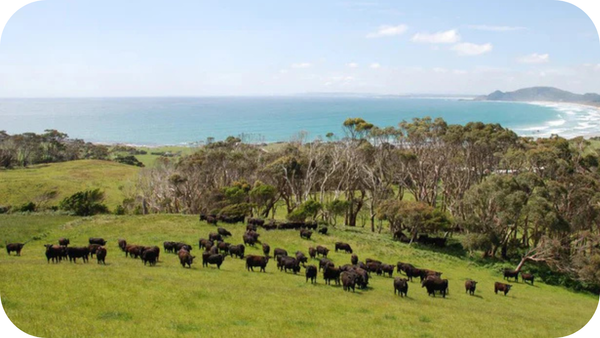
- Access to Open Pastures: Grass-fed cattle are raised on open pastures, allowing them to roam freely and graze naturally, reducing stress and improving their well-being.
- Healthier Animals: With a natural diet and lifestyle, grass-fed cattle are less likely to experience the health issues common in confined feedlot systems.
- No Growth Hormones or Antibiotics: Many grass-fed farms avoid using growth hormones and antibiotics, ensuring a cleaner and more natural environment for the cattle.
- Sustainable Farming Practices: Grass-fed farming often prioritises ethical and sustainable practices, promoting animal welfare and contributing to long-term ecological health.
- Supporting Humane Farming: By choosing grass-fed beef, consumers support farming methods that respect animal rights and encourage a healthier, more ethical approach to livestock farming.
- Reduced Overcrowding: Grass-fed farms tend to have fewer animals per hectare, allowing for more space and a less stressful environment for the cattle.
- Better Quality of Life: Grass-fed cattle are typically raised in environments catering to their natural behaviours, promoting a higher quality of life than conventional farming methods.
- Ethical Supply Chain: Grass-fed beef is often sourced from smaller, family-owned farms that prioritise ethical farming practices, ensuring that the animals are treated with care and respect throughout their lives.
- Consumer Empowerment: By choosing grass-fed beef, consumers help drive the demand for more humane and sustainable agricultural practices, encouraging industry-wide change towards ethical farming.
Why Choose Carnivore Society for Grass-Fed Beef?

Carnivore Society offers premium, ethically sourced grass-fed beef, prioritising quality, sustainability, and taste. Here's why they stand out.
- Premium Sourcing: Carnivore Society sources grass-fed beef from the finest regenerative farms, ensuring ethical and sustainable practices promoting animal welfare and environmental health.
- 100% Pure Meat: Offering beef free from fillers, hormones, or antibiotics, their products are guaranteed to provide only the highest quality, all-natural meat.
- Freshness and Convenience: With fast chilled delivery to your door, Carnivore Society ensures that your beef arrives fresh, with 24/7 pickup options for added flexibility.
- Satisfaction Guarantee: Their commitment to quality is backed by a satisfaction guarantee, so you can be confident in the premium nature of the products you purchase.
- Bulk Wholesale Boxes: Carnivore Society offers cost-effective bulk wholesale boxes, providing high-quality meat at competitive prices that are perfect for families or businesses.
- Ethical and Regenerative Farming: Carnivore Society supports farms focused on regenerative practices and ensures their beef is healthier and more environmentally friendly.
- Certified Quality: With a focus on sourcing the best from trusted farms, Carnivore Society maintains the highest standards in every cut of beef.
- Fresh and Convenient Delivery: Enjoy the convenience of fresh, chilled delivery straight to your door, ensuring you always have top-quality meat.
- Commitment to Transparency: Carnivore Society values transparency, providing customers with clear information about the sourcing, farming practices, and quality of their beef.
Conclusion
While grass-fed beef may come at a premium, its health benefits, ethical farming practices, and environmental advantages make it a worthwhile investment. Choose grass-fed beef from trusted sources like Carnivore Society for superior quality, flavour, and sustainability. Take a step towards healthier eating and support ethical farming practices today.