
The carnivore diet looks simple. Just eat meat, right? Yet many beginners hit roadblocks early, and some give up before seeing real results.
Low energy, constant hunger, or stalled fat loss can appear when the diet isn’t done correctly. Even small mistakes can slow progress and leave people wondering why carnivore isn’t working.
This guide breaks down the 7 most common carnivore diet mistakes beginners make and how to avoid them, helping you build a smarter, more effective carnivore approach.
Why Beginners Often Struggle with the Carnivore Diet
The carnivore diet may appear simple at first glance, but many beginners find the transition more challenging than expected. Most people come from diets that include carbohydrates, processed foods, and a wide variety of ingredients. Removing these foods suddenly can feel restrictive and unfamiliar, especially during the first few weeks.
One common struggle is adjusting to a very low-carbohydrate way of eating. When carbohydrates are reduced significantly, the body must adapt to using fat as its primary energy source. During this transition, some people experience temporary symptoms such as fatigue, headaches, or reduced energy levels while the body adapts.
Another challenge is misunderstanding the balance between protein and fat. Many beginners choose lean meats, which can leave them feeling hungry or low on energy. The carnivore diet works best when meals include enough fat to support satiety and energy.
Finally, limited meal variety can feel difficult for some people. Learning to prepare simple, satisfying meat-based meals takes time, practice, and adjustment.
7 Common Carnivore Diet Mistakes Beginners Make

Starting a carnivore diet can feel straightforward, yet small mistakes often slow progress or make the transition harder. Here are common beginner errors and how they affect results.
1. Eating Meat That Is Too Lean
Many beginners choose lean cuts such as chicken breast or very lean steaks when starting the carnivore diet. While these provide protein, they lack sufficient fat for sustained energy.
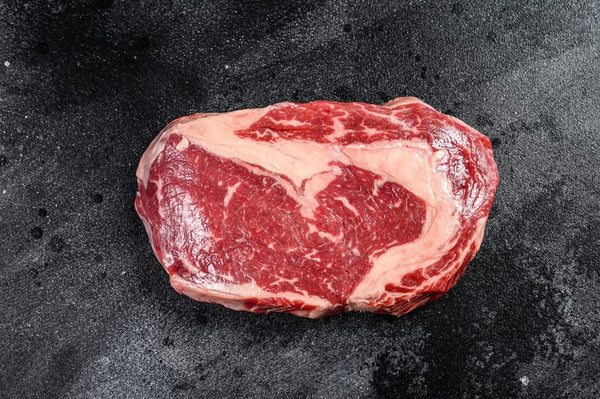
Fat is a key fuel source on a low-carbohydrate diet, and without enough of it, people may feel hungry or fatigued. Choosing fattier cuts like ribeye, brisket, or lamb chops often helps improve satiety and energy levels.
2. Not Eating Enough Food
Some beginners unintentionally under-eat when transitioning to a carnivore diet because meals feel repetitive or smaller than previous diets. Eating too little can lead to fatigue, poor recovery, and reduced energy throughout the day.
The carnivore diet works best when meals are satisfying and nutrient-dense. Eating adequate portions of meat and fat helps the body adapt and maintain stable energy.
3. Ignoring Electrolytes and Hydration
Reducing carbohydrates changes how the body manages fluids and electrolytes. When carbohydrate intake drops, the body often releases more water and minerals such as sodium.
Without proper hydration and salt intake, beginners may experience headaches, fatigue, or muscle cramps. Drinking enough water and adding salt to meals can help support a smoother transition into carnivore eating.
4. Avoiding Organ Meats Completely
Many people avoid organ meats because they are unfamiliar or strongly flavoured. However, organs such as the liver and heart contain highly concentrated vitamins and minerals.
While they do not need to be eaten daily, including them occasionally can support a more nutrient-dense carnivore diet. Small portions mixed with regular meats can make them easier to include.
5. Expecting Immediate Results
Some beginners expect rapid fat loss or instant improvements in energy. While some people notice quick changes, others require time for their bodies to adapt to low-carbohydrate eating.
The transition period can take several weeks as metabolism adjusts. Patience and consistency are important, allowing the body to gradually adapt to relying more on fat as fuel.
6. Overcomplicating Carnivore Meals
The carnivore diet works best when meals remain simple, yet some beginners attempt to recreate complex recipes using carnivore ingredients. This can make the diet feel difficult to maintain.
In reality, many successful carnivore eaters rely on straightforward meals such as steak, eggs, mince, or lamb chops. Keeping meals simple often improves consistency and long-term adherence.
7. Choosing Low-Quality Meat Sources
The quality of meat can influence both nutrition and flavour on a carnivore diet. Relying heavily on highly processed meats or low-quality cuts may reduce overall nutritional value.
Many people prefer sourcing meat from trusted butchers or specialised suppliers that offer well-raised beef, lamb, and other animal products for better quality meals.
Signs You May Be Making Carnivore Diet Mistakes
Small mistakes on the carnivore diet can show up through noticeable physical or energy changes. Here are common signs that something in your carnivore approach may need adjustment.
- Persistent Hunger: Feeling constantly hungry after meals may indicate you are eating meat that is too lean or not consuming enough dietary fat for sustained satiety.
- Low Energy Levels: Ongoing fatigue can occur when calorie intake is too low or the body is still adapting to using fat instead of carbohydrates for energy.
- Frequent Headaches: Headaches may signal electrolyte imbalance, often caused by insufficient sodium intake or dehydration during the early stages of carbohydrate restriction.
- Digestive Discomfort: Bloating, constipation, or stomach discomfort may appear when the digestive system is adjusting to higher protein and fat intake.
- Stalled Fat Loss: Lack of progress in fat loss may occur if meal portions are inconsistent, food quality is poor, or calorie intake remains higher than expected.
How to Fix Common Carnivore Diet Mistakes

Correcting common carnivore diet mistakes often requires small adjustments rather than drastic changes. Here are practical ways beginners can improve their approach and see better results.
1. Choose Fatty Cuts of Meat
Selecting fattier cuts helps provide the energy needed on a low-carbohydrate diet. Ribeye, Porterhouse, Brisket, Short ribs and lamb shoulder contain natural fat that supports satiety and stable energy levels.
Lean meats alone may leave you feeling hungry or fatigued. Prioritising fatty cuts helps maintain a better balance between protein and fat while supporting long-term adherence to the carnivore diet.
2. Eat Until Properly Satisfied
Undereating is a common mistake when starting a carnivore diet. Instead of restricting portions too much, focus on eating satisfying meals centred on meat and animal fats.
Listening to natural hunger signals allows the body to adjust more comfortably. When meals contain enough protein and fat, many people find they naturally eat fewer meals without forcing calorie restriction.
3. Maintain Electrolyte Balance
Electrolytes play an important role during the transition to a very low-carbohydrate diet. Increasing salt intake, drinking enough water, and paying attention to hydration can help reduce symptoms such as headaches or fatigue.
Proper electrolyte balance supports smoother adaptation and helps maintain steady energy levels while the body adjusts to fat as its primary fuel source.
4. Include Nutrient-Dense Animal Foods
Adding nutrient-dense foods such as eggs, seafood, and organ meats can improve overall nutrition on the carnivore diet. Liver, heart, and other organs contain concentrated vitamins and minerals that support health.
While they do not need to be eaten daily, including them occasionally can help provide nutritional variety while still following a strict animal-based approach.
5. Keep Meals Simple and Consistent
The carnivore diet works best when meals remain simple and easy to repeat. Many successful followers rely on straightforward options such as steak, eggs, beef mince, or lamb chops.
Avoid overcomplicating recipes or constantly searching for new variations. Consistency in food choices helps maintain routine, making the diet easier to follow over time.
Tips for Starting the Carnivore Diet the Right Way
Starting a carnivore diet can feel easier with the right approach and preparation. Here are practical tips to help beginners build a strong foundation.
- Start with Simple Meals: Focus on straightforward foods such as steak, beef mince, lamb chops, and eggs. Keeping meals simple makes the transition easier and helps build consistent eating habits.
- Choose Quality Meat Sources: Selecting high-quality meats from trusted butchers or suppliers such as Carnivore Society can improve flavour, nutrition, and overall satisfaction with carnivore meals.
- Prioritise Fatty Meat Cuts: Cuts such as ribeye, brisket, and lamb shoulder provide both protein and fat, helping maintain energy levels and satiety on a low-carbohydrate eating approach.
- Stay Properly Hydrated: Drinking enough water and adding salt to meals helps maintain electrolyte balance, especially during the early stages of adapting to very low carbohydrate intake.
- Allow Time for Adaptation: The body may take several weeks to adjust to using fat as a primary fuel source, so patience and consistency are important during the early transition period.
Example Beginner-Friendly Carnivore Meals

These Simple meals make the carnivore diet easier to follow, especially during the early stages when beginners are learning what to cook and eat.
- Ribeye Steak with Eggs: A classic carnivore meal combining a fatty ribeye steak with eggs cooked in butter. This meal provides protein, healthy fats, and strong satiety, making it ideal for beginners.
- Beef Mince Bowl: Ground beef cooked with salt and served hot is one of the simplest carnivore meals. Higher-fat mince works best because it provides both energy and flavour.
- Lamb Chops: Pan-seared or grilled lamb chops offer a rich, satisfying meal. Lamb naturally contains a good fat-to-protein balance, which makes it a practical option for carnivore followers.
- King Salmon Cooked in Butter: King salmon provides variety while delivering protein and beneficial fats. Cooking salmon in butter enhances flavour and increases fat intake for carnivore energy needs.
- Slow-Cooked Beef Brisket: Brisket cooked slowly becomes tender and flavourful. Its natural fat content supports satiety while providing a hearty meal that beginners can prepare in larger batches.
Build Your Carnivore Diet the Right Way
Starting the carnivore diet can feel simple, yet small mistakes can slow progress and make the transition harder than it needs to be.
Understanding common pitfalls helps beginners adjust faster, improve energy levels, and build a more sustainable carnivore routine over time.
Ready to upgrade your carnivore meals? Explore premium Australian meats at Carnivore Society and fuel your carnivore journey with quality cuts.