
For years, fat was treated like the enemy. Supermarket shelves filled with low-fat everything, and many people were taught to trim every visible bit of fat from their food. The problem is that your body does not treat fat as optional.
Your brain is made up of a large proportion of fat, and your hormones rely on cholesterol as a building block.
This article explains what animal fats are, why they matter for brain function and hormone balance, and how to use them in a practical, whole-food way.
What Are Animal Fats?
Animal fats are natural fats found in meat, seafood, eggs, and dairy, plus rendered fats used in cooking. Common examples include beef tallow, pork lard, butter, ghee, and the fat naturally present in ribeye, lamb cutlets, pork belly, and chicken thighs.
These fats contain a mix of saturated and monounsaturated fats, and they often come packaged with nutrients that are difficult to obtain elsewhere in meaningful amounts, including fat-soluble vitamins.
A key advantage is stability. Many traditional animal fats handle high-heat cooking well, which makes them useful for roasting, pan-searing, and frying without relying on heavily processed industrial oils.
Why Your Brain Benefits From Animal-Based Fats
Your brain is not a muscle. It is an organ that is rich in fat, and it depends on dietary fats to support structure and function. One of the simplest ways to understand this is to think of fat as part of the brain’s “building material”. The brain is often described as being about 60% fat, highlighting how central lipids are to brain tissue.
1. Brain Cell Structure and Signalling

Fats are essential components of neuronal cell membranes. These membranes must remain fluid yet stable in order to transmit signals efficiently between brain cells. Cholesterol, naturally present in animal foods, plays a structural role in maintaining membrane integrity and supporting synaptic function. When membranes function well, communication between neurons is more efficient.
2. Myelin Support for Faster Nerve Signalling
Myelin is the fatty sheath that insulates nerve fibres and allows electrical impulses to travel rapidly and accurately. While myelin production is complex and influenced by many factors, adequate lipid availability supports the environment required for healthy nerve transmission and coordination.
3. DHA and Cognitive Function
DHA (docosahexaenoic acid) is a long-chain omega-3 fatty acid that is highly concentrated in the brain. It is particularly important for the cerebral cortex, the region responsible for attention, memory, and higher-order thinking. Fatty fish such as salmon and sardines, along with eggs, provide preformed DHA that the body can readily use.
4. Mood Stability and Emotional Regulation
Brain lipids influence neurotransmitter systems involved in mood regulation. Omega-3 fatty acids, particularly DHA and EPA, have been studied for their association with balanced inflammatory responses and emotional well-being. Adequate intake of quality animal fats may support more stable mood patterns as part of a balanced dietary pattern.
5. Blood-Brain Barrier Integrity
The blood-brain barrier acts as a protective filter, controlling what enters brain tissue from the bloodstream. Lipids are part of its structural framework. Maintaining sufficient dietary fats supports the structural components that help protect the brain from unwanted inflammatory or toxic exposure.
6. Energy Efficiency and Mental Endurance

The brain has high energy demands. Fatty acids can contribute to steady energy supply, particularly in dietary patterns lower in refined carbohydrates. Stable energy availability may help reduce mental fatigue and improve sustained focus over longer periods.
7. Development Across the Lifespan
From pregnancy through older age, dietary fats play a role in brain development and maintenance. DHA is particularly critical during late pregnancy and early childhood, when rapid brain growth occurs. In later life, adequate fat intake supports structural preservation and cognitive resilience.
Taken together, animal-based fats are not simply flavour enhancers. They provide structural lipids, cholesterol for membrane stability, and long-chain omega-3s that contribute to communication, protection, and sustained brain performance across the lifespan.
Why Your Hormones Depend on Fat
Hormones are chemical messengers that regulate energy, mood, sleep, reproduction, and stress response. Many of the body’s key hormones are steroid hormones, and cholesterol is a starting material in their synthesis. This includes hormones such as testosterone, oestradiol, progesterone, cortisol, and aldosterone.
If dietary fat is consistently too low, some people notice issues like low energy, poor satiety, disrupted cycles, or reduced libido. Many factors can contribute to these symptoms, but from a biology standpoint, it makes sense that a diet that supplies adequate fat and cholesterol can support the raw materials your endocrine system uses.
Animal Fats Help You Absorb Key Nutrients
Animal fats also matter because they help you absorb fat-soluble vitamins, which include vitamins A, D, E, and K. These vitamins are absorbed in the intestine in a fat-dependent process (via micelles), which is one reason very low-fat diets can reduce absorption efficiency.
In practical terms, fat is not only “fuel”. It is also part of the delivery system for nutrients your brain, hormones, bones, immune system, and cells use every day.
Best Whole-Food Sources of Animal Fat

If the goal is brain and hormone support, quality and food context matter more than focusing on one single fat type. These whole-food options allow you to feature and link directly to Carnivore Society products while reinforcing the educational message. Useful options include:
- Fatty Fish (King Salmon, Salmon Portions): Rich in DHA and omega-3s that support cognitive function and brain structure. Ideal for readers looking to increase seafood-based animal fats.
- Eggs (Pasture-Raised if Available): Provide cholesterol and lipids used in hormone production, along with nutrients such as choline that support brain health.
- Full-Fat Dairy (Butter, Ghee): Traditional fats that assist with vitamin absorption and can replace highly refined oils in cooking.
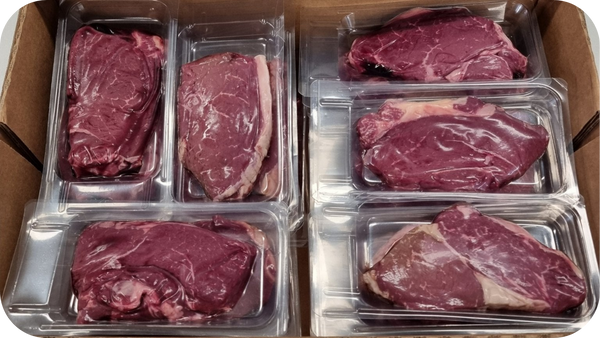
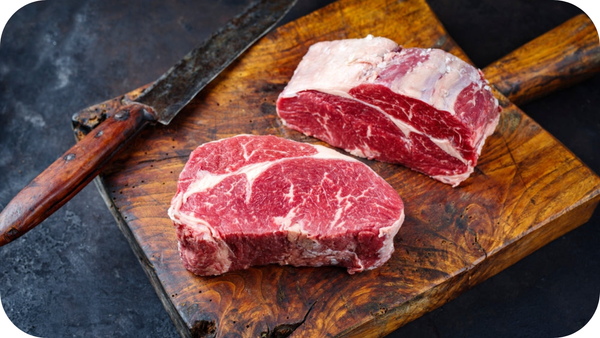
- Ribeye & Cube Roll Steaks: Naturally marbled cuts that deliver saturated and monounsaturated fats in their whole-food form, making them ideal for linking premium steak products.
- Wagyu Cuts: Higher marbling levels provide increased intramuscular fat, offering both flavour and structural dietary fats in one premium cut.
- Brisket, Beef Rump Cap & Short Ribs: Fatty beef cuts suitable for slow cooking, allowing readers to incorporate animal fats in practical, family-style meals.
- Lamb Shoulder & Lamb Cutlets: Naturally higher-fat red meat options that support satiety and hormone health.
- Free Range Pork Belly & Pork Rib Roast: Provide visible fat layers, making them easy to feature when discussing traditional animal fat sources.
- High-Fat Beef Mince Blends: A convenient way to increase dietary fat intake without needing specialty cuts.
- Beef Tallow: A stable, traditional cooking fat suitable for high-heat cooking, replacing industrial seed oils.
- Organ Meats (Liver, Mixed Organ Blends): Nutrient-dense options that provide fat-soluble vitamins alongside animal fats.
How to Add Animal Fats to Your Diet

Alt text: Raw lamb leg on a wooden board drizzled with seasoning and rosemary, with a jar of beef tallow, lemon, and fresh herbs in the background.
Want better energy, sharper focus, and balanced hormones? It starts with the fat you eat. Here’s how to add nourishing animal fats to your meals with ease:
- Cook with tallow or lard: Use beef tallow or pork lard in place of vegetable oils for frying and roasting
- Choose fatty cuts of meat: Opt for ribeye, lamb shoulder, chicken thighs with skin, and pork belly
- Eat the whole animal: Include organ meats like liver, heart, and kidney for fat-soluble vitamins and essential fats
- Snack on animal fat-rich foods: Hard-boiled eggs, beef jerky with visible fat, and pâté make excellent options
- Add butter generously: Use real butter on veggies, meat, and eggs for extra flavour and nutrients
- Make bone broth: Slow-simmer bones and marrow to extract collagen, gelatin, and healthy fats
- Render your own fat: Save fat drippings from roasts and store them for cooking or flavouring meals
How Much Animal Fat Do You Need?
There is no universal amount of animal fat that suits everyone because needs change based on your activity level, total calorie intake, dietary pattern (such as keto, lower-carb, or mixed eating), and how well you digest fats.
A practical way to approach it is to include a visible fat source in meals where you notice hunger returning quickly, then adjust over the next couple of weeks based on your energy, digestion, and how satisfied you feel after eating.
In most cases, prioritising quality and consistency matters more than pushing extremes. If you are making a major shift from low-fat eating, increasing fat gradually can help your digestion adapt more comfortably.
Who Should Moderate Their Intake or Seek Advice?
Animal fats can be part of a healthy diet, but some people benefit from a more cautious approach and personalised guidance.
This includes anyone with gallbladder disease or a history of bile issues, people with fat malabsorption conditions or pancreatitis, and those with known genetic lipid disorders such as familial hypercholesterolaemia.
If you are managing a medical condition where diet changes can affect symptoms or medications, it is also sensible to seek advice before significantly increasing animal fat intake.
Busting Common Myths Around Animal Fats

Here’s the truth about animal fats, they’re not the dietary villains we’ve been told they are:
- Animal fats and health misconceptions: For decades, animal fats were unfairly scapegoated for rising rates of heart disease, obesity, and cholesterol-related issues. These claims shaped public policy and dietary guidelines, pushing millions toward low-fat, high-carb alternatives with unintended consequences.
- Outdated science and marketing influence: The fear of animal fats largely stemmed from flawed research in the mid-20th century, combined with powerful campaigns that promoted processed seed oils as healthier. This shift ignored the natural role of saturated fats in traditional diets across cultures.
- Modern research insights: Current studies reveal that saturated fat and cholesterol from unprocessed animal sources are essential for producing hormones like testosterone and oestrogen, maintaining cellular integrity, and supporting brain development and memory.
- Artery-clogging myth debunked: The long-held belief that saturated fats clog arteries has been challenged by numerous large-scale reviews. Findings suggest no strong correlation between saturated fat intake and cardiovascular events in otherwise healthy people.
- Fat doesn't make you fat: Unlike the blood sugar spikes caused by refined carbs, animal fats provide a steady source of energy. They support metabolic health, help regulate hunger hormones like leptin, and keep you full longer, making fat an ally, not a culprit.
- Quality sources matter: The nutritional value of animal fats depends heavily on the source. Animal fats from grass-fed beef or pasture-raised pork provide dense, bioavailable nutrition, which contains higher levels of omega-3s, conjugated linoleic acid (CLA), and fat-soluble vitamins like A, D, and K2 compared to conventional feedlot meat.
- Reclaiming traditional fats: Societies across history thrived on diets rich in animal fats, from lard and tallow to duck fat and butter. It’s time to challenge old fears and reinstate these nourishing fats into modern eating habits as part of a balanced, whole-food lifestyle.
Conclusion
Animal fats are not just a flavour booster. They supply structural lipids for the brain, cholesterol for hormone synthesis, and dietary fat that helps absorb key vitamins. If you choose high-quality, whole-food sources like fatty fish, eggs, full-fat dairy, and well-sourced meat, fat becomes a practical tool for better satiety, steadier energy, and long-term dietary sustainability.
If you have a medical condition that affects fat digestion or cholesterol handling, get personalised advice before making major changes.
FAQs
1. Are animal fats good for brain health?
Animal fats support brain health by providing fats and cholesterol used in brain tissue and cell membranes, plus nutrients that support normal function. The brain is often described as being about 60% fat.
2. Why does hormone production need fat?
Many key hormones are steroid hormones made from cholesterol, which acts as a starting material in their synthesis.
3. Which animal foods are best for DHA?
Fatty fish such as salmon, sardines, and mackerel are strong dietary sources of DHA, which is linked to brain function across the lifespan.
4. Do you need fat to absorb vitamins?
Yes. Vitamins A, D, E, and K are fat-soluble, and absorption relies on fat-dependent processes in the gut.
5. Is cooking with tallow or butter better than seed oils?
For many cooking methods, traditional fats like tallow or butter can be a stable, whole-food option. The bigger issue is usually overall dietary pattern, especially heavy reliance on ultra-processed foods.
6. Who should be careful with high-fat diets?
People with gallbladder problems, fat malabsorption conditions, pancreatitis, or known genetic lipid disorders should seek personalised medical advice before increasing animal fat intake significantly.