Crispy roast pork with golden crackling served on a white plate with herbs.

The Secret to Perfect Crackling: How to Roast Pork Like a Pro
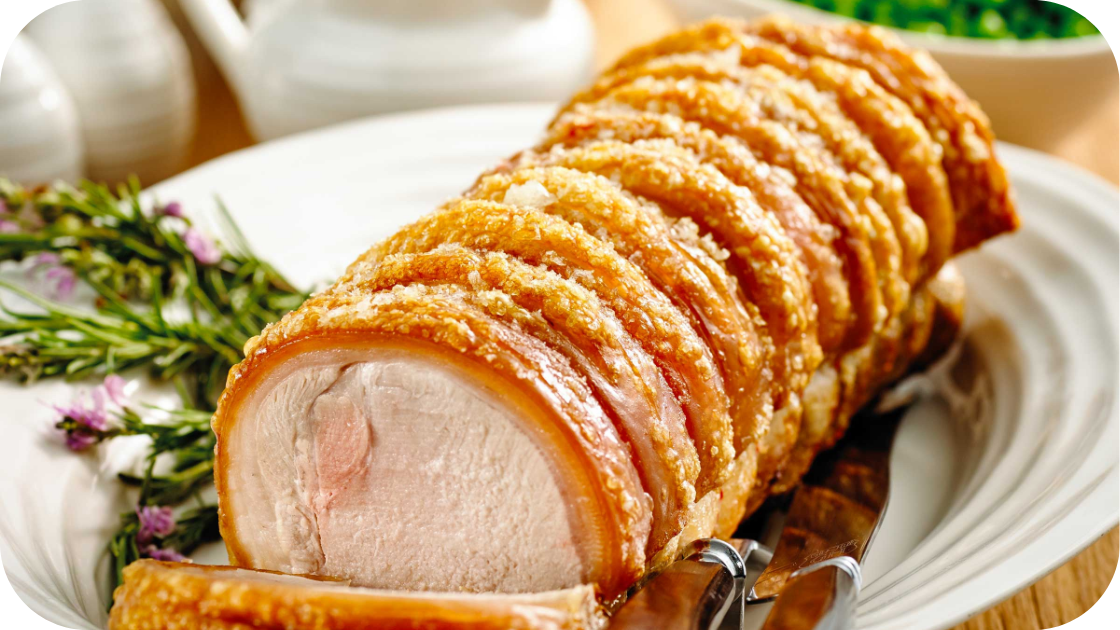
Golden, crisp, and irresistibly crunchy crackling is the hallmark of a perfect roast pork. Yet, achieving that shatteringly crisp skin with tender, juicy meat underneath often feels like a mystery. The truth is, perfect crackling is a balance of preparation, temperature, and patience. By choosing quality pork and following the right roasting steps, you can transform an everyday meal into something special.

This guide reveals the secrets behind achieving flawless pork crackling and shows how to roast pork like a seasoned chef in your

Step 1: Choose the Right Cut for Crackling

Raw pork chops on a dark surface with herbs, spices, and a meat cleaver.

Getting the perfect crackling starts long before the pork hits the oven. The cut you choose determines not only the crispness of the skin but also the juiciness of the meat underneath. Cuts with a good balance of fat and skin deliver the best texture and flavour every time.

For slow roasting and even crackling, the Valenca Free Range Pork Boston Butt is a superb option. Its deep marbling and thick layer of skin render beautifully, producing crisp crackling and juicy meat in perfect balance. The fat melts slowly during roasting, coating the meat with rich flavour and giving the skin that satisfying, brittle crunch.

For those who prefer something leaner, pork loin offers delicate crackling and a light, clean taste, while pork belly remains the go-to choice for bold, buttery richness. Each cut has its own appeal, but all share one thing in common: quality matters most.

Select your roast from Carnivore Society’s Pork Collection, where every cut is chosen for freshness, flavour, and the perfect balance of fat and skin.

Step 2: The Secret to Dry, Crisp Skin

Crispy crackling begins with dry skin. Moisture is the enemy of that golden, glass-like texture every roast should have. Taking time to prepare the surface properly ensures even blistering and the irresistible crunch that defines perfect pork crackling.

Start by patting the skin thoroughly with paper towels until completely dry. Then, place the pork uncovered in the refrigerator for several hours or overnight. This drying process draws out excess moisture, allowing the heat to concentrate on crisping the surface rather than steaming it. The drier the skin, the louder the crackle.

Before cooking, bring the pork to room temperature and give it one final wipe to remove any remaining dampness. For added crispness, rub a light layer of fine sea salt into the skin to draw out moisture and season the fat below. Avoid heavy marinades or liquids, as they soften the surface and prevent proper crackling formation.

These simple steps separate ordinary roasts from extraordinary ones. When handled with care and patience, your pork will deliver that perfect contrast between a brittle, golden crust and tender, juicy meat beneath.

Step 3: Score and Season the Skin Properly

Person scoring pork belly skin with a knife on a white tray.

Scoring the skin is one of the most important steps in creating crisp, golden crackling. The fine cuts allow the fat beneath the skin to render evenly, helping the surface puff up and blister beautifully. It also allows seasoning to penetrate deeper, ensuring flavour in every bite.

Use a sharp knife to make shallow, parallel cuts across the skin, spacing them about one centimetre apart. Avoid cutting into the meat itself, as this can release too much juice during roasting and reduce the crispness of the skin. For thicker cuts like pork shoulder, slightly deeper scores can help the fat render more effectively.

Once scored, rub the entire surface with a drizzle of olive oil and a generous amount of fine sea salt. The oil helps distribute the heat evenly, while the salt draws out moisture and builds that signature crunch. For added aroma, you can sprinkle crushed fennel seeds or a touch of cracked pepper, but keep it simple to let the pork’s natural richness shine through.

Proper scoring and seasoning lay the foundation for great crackling. Combined with quality pork and the right oven heat, these small details turn a basic roast into a showpiece worthy of any weekend table.

Step 4: The Ideal Roasting Temperature

Juicy roasted pork shoulder sliced on a wooden board with herbs.

Even the best preparation can fall short if the oven temperature is not right. Perfect crackling requires an initial blast of heat to make the skin bubble and crisp, followed by a steady roast that keeps the meat juicy and tender. Getting this balance correct is the key to professional results.

Start by preheating your oven to between 230°C and 240°C. Place the pork on a wire rack inside a roasting tray to allow air to circulate around the skin. Roast at this high temperature for the first 25 to 30 minutes, keeping a close eye on the skin as it begins to blister and turn golden. This first stage locks in moisture and sets up that crisp, glassy surface.

After the initial high-heat stage, reduce the temperature to 180°C. Continue roasting until the internal temperature reaches around 70°C, which ensures the meat stays succulent while the skin remains perfectly crisp. Avoid opening the oven door too often, as sudden drops in temperature can soften the crackling.

Timing may vary depending on the cut and size, but the principle always remains the same. Begin hot to create that signature crunch, then slow down to preserve tenderness and flavour. This approach guarantees the perfect harmony of crackling and juicy meat every time you roast.

Step 5: Rest Before Serving

Resting your roast is the final step that separates good pork from great pork. Once the pork comes out of the oven, it is tempting to carve immediately, but patience here makes all the difference. Allowing the meat to rest ensures that the juices redistribute evenly, keeping every slice moist and flavourful.

Transfer the roast to a clean board or wire rack and let it sit for ten to fifteen minutes. Avoid covering it with foil, as trapped steam can soften the crackling you worked so hard to perfect. The brief pause lets the meat relax while maintaining that crisp, golden crust on top.

As you carve, use a sharp, serrated knife to slice through the crackling cleanly without crushing it. Cut against the grain of the meat for the most tender texture and serve immediately while still warm. The result should be the perfect contrast between brittle, airy crackling and succulent pork beneath.

Resting is often overlooked, but it is essential to achieving a professional finish. It ensures your roast pork not only looks impressive but tastes every bit as good as it appears.

Common Mistakes to Avoid When Making Crackling

Crispy roasted pork belly with golden crackling and juicy meat layers.

Even experienced cooks can make small errors that stop pork crackling from turning out perfectly. Avoiding these simple mistakes ensures your roast remains crisp, golden, and full of flavour every time.

  • Not drying the skin properly: Moisture is the enemy of crispness. Any dampness on the surface prevents the skin from blistering and leaves it chewy. Always pat the pork dry with paper towels and leave it uncovered in the fridge for several hours before roasting.
  • Starting with low oven heat: Gentle heat cooks the meat but never crisps the skin. Begin roasting at a high temperature of 230°C to 240°C for the first 25 to 30 minutes. This blast of heat gives the skin its crackle before lowering the temperature to cook the meat through.
  • Over-basting during cooking: Constantly brushing the pork with oil or liquid softens the crackling instead of crisping it. Allow the natural fat to render and crisp the skin. A dry surface and steady heat create the best texture.
  • Skipping the resting stage: Carving straight from the oven releases precious juices and weakens the crackling. Let the pork rest for ten to fifteen minutes on a rack before slicing. This keeps the meat moist while preserving that crunchy, golden crust.

Each of these steps may seem small, but together they make the difference between average crackling and the kind that shatters under the knife.

The Pro Touch: Tricks Chefs Use for Perfect Crackling

Professional chefs know that perfect crackling depends on mastering the smallest details. While the basic steps deliver great results, a few expert touches can elevate your roast pork from impressive to exceptional.

For a chef-inspired twist, try basting the skin lightly with rendered fat from Free Range Cold Smoked Bacon before roasting. This subtle layer adds gentle smokiness and a richer depth of flavour without overpowering the natural taste of the pork.

Timing also plays a crucial role. Once the crackling reaches a deep golden colour, avoid overcooking, as it can turn bitter. Keep a close eye during the final stages and rotate the tray if needed for even crisping.

Finally, finish the roast with a light sprinkle of coarse sea salt while it rests. The contrast of warm fat and cool salt sharpens the crunch and enhances the savoury flavour, turning a simple roast into a dish worthy of any professional kitchen.

Best Side Dishes for Roast Pork

Crispy roast pork belly served with salad, grains, and roasted vegetables on a plate.

A perfectly roasted pork deserves sides that complement its richness and balance the bold, savoury flavour of the crackling. Each of the following dishes adds texture, colour, and freshness to create a complete meal that feels refined yet comforting.

  • Crispy Roasted Potatoes: Golden on the outside and soft inside, roasted potatoes echo the texture of the crackling. Toss them with olive oil, rosemary, and a pinch of sea salt to bring out their earthy aroma and pair them beautifully with tender pork.
  • Roasted Fennel and Apple Slaw: A light and refreshing side that cuts through the richness of the meat. The crisp apple provides sweetness, while roasted fennel adds a subtle anise note that enhances the flavour of the pork without overpowering it.
  • Steamed Seasonal Greens: Fresh greens such as broccolini, green beans, or asparagus add balance and colour to the plate. Their gentle bitterness offsets the richness of the pork and brings a healthy, vibrant touch to the meal.
  • Apple Sauce or Red Wine Jus: Classic condiments that elevate roast pork to another level. Apple sauce adds sweetness and freshness, while a rich red wine jus introduces depth and complexity for a more indulgent experience.
  • Drink Pairings: A cool Australian Chardonnay or a crisp craft cider makes the perfect companion. The acidity and fruit notes cut through the fat and complement the caramelised edges of the crackling beautifully.

Every pairing adds its own character to the dish, turning a simple roast into a complete dining experience that celebrates the best of Australian pork.

Bring Perfect Crackling to Your Table

Mastering roast pork is about precision, patience, and quality ingredients. With the right preparation, a sharp eye for temperature, and a good cut of pork, anyone can achieve that golden, glassy crackling and tender, juicy meat that defines a professional roast.

Whether it is a family lunch or a festive dinner, taking time to get each step right transforms the meal into an experience worth sharing. Great crackling is more than texture; it is the mark of care and craftsmanship in the kitchen.

At Carnivore Society, we source premium Australian pork cuts from trusted farms to help you create the kind of roast that brings everyone to the table. Each piece is selected for flavour, texture, and perfect balance of fat and skin.