
Picture a sizzling steak hitting the pan, filling the kitchen with that rich, savoury scent that always feels like home. Moments like this remind us that great meat starts long before it reaches our table. Across Australia, more people want to know how their favourite cuts are raised and what ethical and sustainable farming really looks like.
This guide breaks down the practices behind responsible meat production, explains why they matter and helps you understand what to look for when choosing premium, ethically sourced meat.
What Sustainable Meat Production Means in Australia
Australia’s approach to sustainable meat production is built on care for the land, respect for animals and a long-term commitment to farming that supports future generations. These principles shape how quality beef and lamb are raised across the country.
1. Regenerative Grazing Practices and How They Restore Soil Health
Regenerative grazing is one of the strongest foundations of sustainable farming in Australia because it focuses on giving the land time to rest and renew. Farmers rotate livestock across paddocks so pastures can recover naturally.
This simple rhythm creates healthier soil, richer grass growth and better long-term productivity. Over time, the ground becomes more stable and resilient, holding moisture more effectively, which helps during dry seasons. Many farmers also notice improved biodiversity as native plants begin to return.
These changes create stronger ecosystems that support animals and provide naturally nutritious feed. When cattle grow on healthy land, their meat carries the benefits of a cleaner, more balanced environment.
2. Pasture Management and Water Conservation Methods
Water is one of the most valuable resources in Australian farming. Sustainable producers use thoughtful pasture management to protect it. They monitor grass height, soil moisture and seasonal patterns so herds graze without pushing the land beyond its limits.
Fences guide animals away from fragile creek beds and wetlands, which keeps waterways clear and reduces erosion. Some farms collect rainfall in small storage areas that feed troughs, allowing the land around natural water sources to recover.
These simple habits help maintain strong pastures that can support healthy cattle and sheep all year. When water is protected and used wisely, the result is cleaner landscapes, stronger feed and farming systems that can thrive even during challenging seasons.
3. Carbon Outcomes Linked to Grass Fed Systems

Grass-fed systems are a major part of sustainable meat production in Australia because they rely on natural pasture rather than intensive feedlot rations. As livestock graze, their movement encourages plant regrowth, which draws carbon into the soil.
Over time, these soils become better at storing carbon, which helps offset part of the emissions created by livestock. Farmers who manage their pastures well often see stronger ground cover, improved plant diversity and healthier root systems that hold carbon more effectively.
This creates a cycle where the land becomes more productive while contributing to climate-friendly outcomes. When animals grow on open pastures, the system supports a balance between food production and environmental responsibility.
4. How Sustainable Grazing Supports Long-Term Land Use
Long-term land use is central to sustainable farming in Australia because many properties stay within families for generations. Farmers see themselves as caretakers rather than short-term operators. Sustainable grazing prevents the land from being overused and keeps pastures productive for decades.
This includes spacing out grazing periods, protecting young grasses and adapting herd size to seasonal conditions. These decisions preserve soil structure and help native vegetation stay healthy. When the land remains fertile, future generations can continue producing high-quality beef and lamb without exhausting natural resources.
This ongoing care creates a stable farming environment that supports local communities and provides consumers with dependable, ethically raised meat.
What Ethical Meat Production Means for Farmers and Animals
Ethical meat production in Australia centres on genuine care, calm environments and farming systems that respect the animals from the moment they step onto pasture. These values guide farmers who want to raise livestock responsibly and with pride.
1. Australian Animal Welfare Legislation and Industry Frameworks
Ethical farming begins with strong animal welfare laws that outline how livestock must be raised, handled and cared for. Australian standards are widely respected because they are practical and grounded in science. Farmers follow clear guidelines that cover everything from shelter and nutrition to handling methods and veterinary care.
Regular audits help maintain consistency, and many producers choose to exceed the basic requirements to reflect their own values and community expectations. This creates a culture where animals are treated with patience and dignity.
When cattle and sheep are raised in calm surroundings, they grow with fewer health issues, and stress levels remain low. These conditions support better quality meat and a farming environment built on compassion rather than pressure.
2. Free Range and Pasture-Based Systems

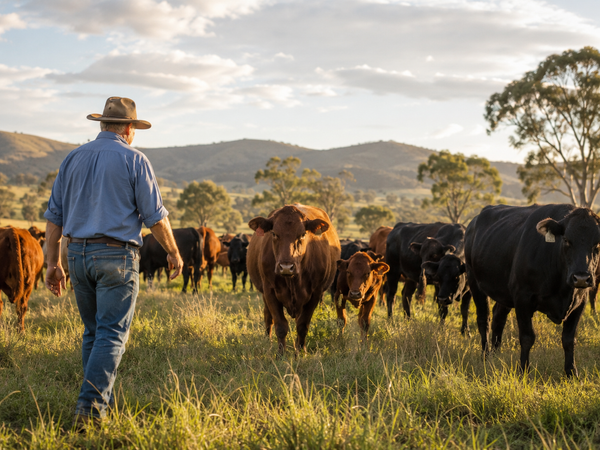
Free-range and pasture-based systems allow animals to move naturally across open landscapes. This freedom supports healthier growth and happier animals. Farmers manage grazing areas carefully so livestock have access to fresh grass, shade and clean water.
The natural setting encourages normal behaviours such as roaming, grazing and resting without confinement. Many farmers say they enjoy seeing their animals live in open paddocks because it strengthens the connection between people and livestock.
These systems also reflect Australia’s unique farming identity, where wide spaces and clean pastures are part of daily life. When animals grow in low-stress surroundings with room to move, their health improves, and so does the eating quality of the meat they produce.
3. Low Stress Handling Practices and Their Influence on Weight Gain and Quality
Low-stress handling is central to ethical farming because animals respond best when they feel calm and safe. Farmers use slow movements, quiet voices and gentle guiding techniques to reduce fear during routine tasks.
This helps animals stay relaxed during weighing, yarding and health checks. Stress can affect growth rates, appetite and meat tenderness, so keeping animals settled is important for welfare and quality. Many farmers invest time in training staff to recognise behavioural cues that show when an animal needs more space or reassurance.
This builds trust between people and livestock and creates a more peaceful atmosphere on the farm. Calm animals grow more consistently, which leads to better marbling, sweeter flavour and overall improved meat quality.
4. The Role of Transport and Processing Conditions in Humane Production
Transport and processing are sensitive stages that require careful attention. Ethical farmers choose routes and facilities designed to keep animals calm, with short travel times and well-planned stops.
Trucks are fitted with secure flooring, good ventilation and enough space for animals to stand comfortably. At processing facilities, handlers use quiet techniques and gentle movement to guide livestock safely.
These environments are designed to minimise fear and maintain dignity. When handled with respect at every stage, animals experience less stress, which contributes to improved welfare outcomes and better meat quality. This approach reflects a belief shared by many Australian farmers that responsible treatment is essential from the first day on the farm to the final step of production.
Australian Standards and Certifications that Matter
Certifications help Australians understand how their meat was raised and what farming practices were followed. These standards offer reassurance, transparency and a clear way to support producers who care about quality and welfare.
1. MSA Grading and Why It Matters for Eating Quality

MSA beef grading matters and is one of the most trusted systems in Australia because it focuses on tenderness, juiciness and flavour. Farmers and processors work together to meet specific handling and feeding conditions that reduce stress and support consistent growth.
Every cut is graded using a detailed framework that predicts how enjoyable the eating experience will be. This helps shoppers choose meat with confidence, especially when they want a reliable result for a family dinner or weekend barbecue.
MSA encourages responsible treatment by rewarding producers who prioritise calm handling, good nutrition and healthy animals. The grading system reflects the link between welfare and quality, which is why many Australians prefer cuts that carry the MSA mark.
2. Pasture Fed and Grass Fed Certification Programs
Pasture-fed and grass-fed certifications give buyers clarity about how animals were raised. These programs require livestock to graze freely on pasture for most of their lives with strict limits on supplementary feed.
Audits ensure farmers follow the rules, and records track grazing conditions, feed access and animal health. Australians value these certifications because they reflect natural farming environments where animals spend their days outdoors. Many producers take pride in meeting these standards, as they showcase their commitment to land stewardship and animal well-being.
For consumers, the certification label offers a simple way to support farmers who prioritise open grazing and clean nutrition. It also helps explain variations in flavour, colour and nutrition that come from pasture-based systems.
3. Organic and Free Range Certification Requirements
Organic and free range certifications focus on natural living conditions, clean feed and strong welfare standards. Organic farms avoid synthetic chemicals and use natural methods to maintain soil health and pasture quality.
Free range programs ensure animals have space to roam, access to the outdoors and the ability to express normal behaviours. Both certifications include regular inspections to verify compliance, which helps protect consumer trust. Farmers who choose these pathways often do so because they align with their values and farming philosophy.
These labels make it easier for buyers to understand exactly how their meat was produced. They also offer reassurance that the animals were raised with care and that the land was managed thoughtfully.
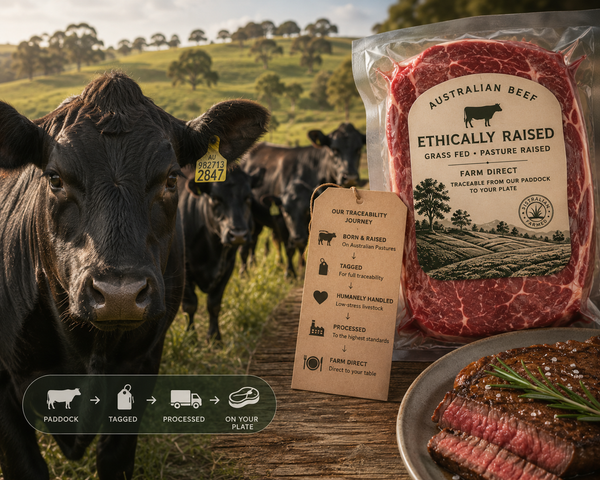
4. Traceability Programs Including Property Identification Codes and Origin Tracking
Traceability is a major strength of Australian meat production. Property identification codes and digital records allow every animal to be tracked from the farm to the final product. This system builds transparency and ensures that any issues can be traced quickly.
For farmers, traceability supports responsible management by keeping accurate records of animal movements, health treatments and property histories. Consumers gain confidence knowing they can trace the origin of their meat and understand the journey it has taken.
Many people appreciate knowing their beef or lamb came from a specific region or family farm. This level of accountability reflects Australia’s commitment to safe, high-quality and ethically produced meat.
Environmental Benefits Linked to Sustainable Meat Farming

Sustainable farming does more than raise healthy livestock. It protects the land, supports natural ecosystems and creates farming landscapes that stay productive for generations. These benefits reach far beyond the farm gate.
1. Improved Soil Carbon Storage and Reduced Erosion
Healthy soil is at the heart of sustainable farming. When livestock rotate across paddocks, the land has time to rest and rebuild its structure. Grasses grow deeper roots, which hold carbon in the ground while preventing soil from washing away during heavy rain.
This steady improvement helps farms stay productive in tough seasons and reduces the risk of bare patches that harm both animals and the environment. Farmers often notice that well-managed soil has a richer feel and holds moisture for longer, which helps pasture recover faster after grazing.
Stronger soil structure also supports native plants and insects that play a role in keeping the farm ecosystem balanced. These natural gains make the land more resilient and capable of supporting future generations.
2. Biodiversity Gains Through Regenerative Land Use
Regenerative farming encourages a landscape where more life can flourish. When pastures are given time to recover, a greater variety of grasses and native plants begin to reappear. These plants attract insects, birds and small animals that help keep the environment healthy.
Farmers often see more pollinators and beneficial bugs returning, which improves soil activity and plant growth. The increase in biodiversity creates a natural balance that reduces the need for heavy intervention. It also supports wildlife corridors that allow animals to move safely across the land.
This alive and diverse environment strengthens the entire farm system and makes it less vulnerable to seasonal stress. Over time, the land becomes a thriving ecosystem rather than a single-purpose space.
3. Waterway Protection and Careful Nutrient Management
Clean waterways are essential for both farming and the environment. Sustainable producers use fencing, controlled grazing and monitored access points to protect creeks and dams from overuse. When animals are kept away from fragile banks, the water stays clearer, and erosion is reduced.
Many farmers plant vegetation near waterways to stabilise the soil and filter nutrients naturally. This prevents runoff during rain and helps maintain healthy aquatic life. Careful nutrient management also ensures fertilisers are used responsibly and only when neede,d which protects both the land and surrounding ecosystems.
When water sources remain clean, they support stronger pastures, healthier livestock and a more stable environment. This thoughtful approach creates a landscape that can withstand dry periods and heavy rain without long-term damage.
Ethical Farming and Its Influence on Nutrition and Flavour
Ethical farming shapes the taste, tenderness and nutrition of every cut. When animals live calmly on open pastures, their meat develops qualities that feel natural, wholesome and deeply satisfying.
1. Omega-3 Levels in Grass-Fed Animals

Grass-fed animals graze on diverse pastures that naturally boost their omega-3 levels. These healthy fats support heart health and give the meat a cleaner, more balanced flavour. Farmers who prioritise ethical care often see better growth patterns because calm, well-fed animals digest nutrients more effectively.
The steady, low-stress environment helps muscle fibres develop gently, which contributes to tenderness. Consumers often describe grass-fed beef as earthy and rich because the diet reflects the natural landscape.
These qualities are a direct result of animals living outdoors, experiencing fresh air and moving freely across paddocks. Ethical conditions create meat that feels honest and nourishing.
2. Complex Flavour Development From Natural Grazing
Animals that graze on open pastures eat a variety of grasses, herbs and native plants, which all contribute to flavour. This diet gives the meat a depth that grain-based systems cannot fully match. Ethical farmers notice that relaxed animals graze more consistently, which improves fat distribution and enhances taste.
The natural movement across paddocks keeps muscles healthy without becoming tough, which supports tenderness. Pasture diversity also adds subtle notes that reflect the region where the animals are raised.
Many people appreciate these distinct flavour profiles because they feel grounded in the local environment. When animals live well, their meat carries a sense of place that makes every meal feel more rewarding.
3. Nutrient Retention Through Low-Stress Growth Cycles
Stress affects how animals grow, eat and develop muscle. Ethical farming minimises this by using quiet handling, open spaces and calm routines. When animals feel safe, their bodies function smoothly, which allows nutrients to be absorbed more effectively.
This leads to higher levels of vitamins, minerals and beneficial fats in the meat. Low stress growth also helps maintain tenderness because muscle fibres are not strained by fear or pressure. Farmers often comment that calm animals look brighter, eat better and gain weight steadily, which leads to consistent quality.
The final result is meat that tastes sweeter, cooks beautifully and provides meaningful nutritional value. Ethical care enhances the experience from the first bite to the last.
The Role of Australian Farmers in Ethical Meat Production
Ethical meat begins with the people who raise the animals. Across Australia, farmers combine tradition, care and modern innovation to create farming systems built on respect for livestock and the land.
1. Family-Owned Farms and Rural Communities
Many Australian farms are family-owned properties that have been cared for across several generations. These families build strong relationships with their animals and treat them with a level of attention that reflects genuine pride.
Life on these farms is closely tied to rural communities where neighbours help each other during challenging seasons and share knowledge freely. Ethical farming becomes a shared responsibility rather than a task carried out alone.
This community spirit strengthens the values that guide daily work, from calm handling to thoughtful pasture management. When families pass down both the land and the lessons, the result is meat raised with consistency, heart and commitment to long-term sustainability.
2. Traditional Farming Knowledge

Traditional farming knowledge has shaped Australian agriculture for decades. Many farmers grow up learning how to read the land, understand animal behaviour and respond to seasonal changes.
This knowledge influences how they manage grazing, water access and animal welfare. Older generations teach younger farmers simple skills that make a meaningful difference, such as recognising early signs of stress or knowing when a paddock needs rest. These insights are not written in manuals but come from years of observation and hands-on experience.
When farmers blend these traditions with modern expectations for ethical care, they create a thoughtful approach that benefits both animals and the landscape. This deep connection to the land plays a central role in Australia’s farming identity.
3. Modern Sustainable Innovations on Farms
While tradition guides many decisions, modern technology is helping farmers strengthen ethical and sustainable practices. Tools such as satellite pasture monitoring, digital livestock tags and automated water systems make daily management more efficient and precise.
These innovations allow farmers to track animal health, monitor movement and manage feed availability with greater accuracy. Many producers use data to reduce environmental impact by improving grazing patterns and protecting sensitive areas. Technology also helps streamline record-keeping for certifications and welfare auditing.
When blended with traditional knowledge, these tools support a more balanced and forward-thinking farming approach. They help farmers care for animals while maintaining the long-term health of the land and producing consistently high-quality meat.
How to Choose Sustainable Meat as a Consumer
Choosing sustainable meat becomes easier when you know what signals to look for. Simple checks can help you support responsible farmers and bring better quality meat into your home.
- Check for recognised certifications: Look for labels such as MSA grading, grass-fed programs, organic certification and free-range accreditation because these reflect clear standards for welfare, pasture access and land care.
- Read the sourcing information: Responsible producers explain where the meat comes from, which farms were involved and what production methods were used. This level of detail signals transparency and stronger ethical practices.
- Look for pasture-based systems: Meat from animals raised on open pastures often reflects better welfare and environmental outcomes. These systems rely on natural grazing and healthier long-term land use.
- Choose trusted butchers or direct-to-consumer brands: Businesses that work closely with farmers tend to provide clearer information and more consistent quality. These connections promote better welfare and cleaner sourcing.
- Pay attention to colour, texture and freshness: Responsible farming often produces meat with strong natural colour, firm texture and minimal excess moisture. These signs suggest healthy animals and careful handling.
How Carnivore Society Supports Sustainable and Ethical Meat Sourcing
Carnivore Society partners with trusted Australian farmers who share a commitment to responsible practices. Every product is selected with care to ensure quality, transparency and genuine respect for the land and the animals.
1. Working Directly with Ethical Australian Farms
Carnivore Society works closely with farmers who prioritise animal welfare and land stewardship. These partnerships are built on trust, open communication and shared values. By choosing producers who follow ethical handling, pasture-based systems and thoughtful grazing practices, the brand ensures that every cut reflects careful attention from paddock to plate.
Customers can feel confident knowing their meat comes from families who genuinely care about their livestock and their environment. This direct relationship also removes unnecessary steps in the supply chain, which keeps sourcing transparent and consistent. When you support Carnivore Society, you support hardworking Australian farmers who raise animals with dignity and pride.
2. Curated Meat Boxes for Quality and Traceability

Each Carnivore Society box is curated to highlight the best available cuts while offering full clarity about where the meat comes from. Traceability is a key focus, so customers always know the farm region, production style and grading details of their selections.
This level of transparency builds trust and helps people choose meat that matches their values. The curated approach also allows the brand to showcase seasonal strengths such as pasture conditions or standout batches from particular farms.
Every box represents a thoughtful balance of flavour, quality and ethical sourcing. It becomes more than a purchase because it reflects a connection between the customer and the farm that produced the meat.
3. Commitment to Freshness and Responsible Sourcing
Freshness is central to the Carnivore Society philosophy. The brand carefully controls its sourcing and delivery processes so every cut arrives in peak condition. Responsible sourcing means choosing farms that use low-stress handling, clean feed and sustainable land practices.
It also means keeping quality consistent across all products, from everyday favourites to premium steaks. The team reviews supplier standards regularly to ensure they meet expectations for welfare, environmental care and long-term sustainability.
This commitment shapes every decision, including packaging, storage and cold chain management. When customers open a Carnivore Society box, they receive meat that reflects thoughtful choices from start to finish.
Frequently Asked Questions About Sustainable and Ethical Meat Production in Australia
1. What makes Australian meat production considered ethical
Ethical Australian meat production is shaped by strong welfare laws, calm handling practices, pasture access, responsible transport systems and farmers who focus on animal wellbeing throughout the entire life cycle.
2. Does grass-fed beef reduce environmental impact
Grass-fed beef supports healthier soils, stronger plant growth and improved carbon storage. When pastures are managed well, the system can reduce erosion, improve biodiversity and support long-term land sustainability.
3. How do Australian farmers improve animal welfare
Farmers use low-stress handling, quiet movement, open pastures, clean water access and regular health checks. Many also follow independent welfare programs that ensure accountability and consistent care.
4. Are free range and ethical the same
Free range contributes to ethical outcomes because it allows natural movement, outdoor access and reduced confinement. Ethical farming includes free range but also covers handling, transport, nutrition and land care.
5. What certifications prove sustainable meat sourcing
Certifications such as MSA grading, organic programs, grass-fed accreditation, free range labels and traceability systems provide reassurance about welfare standards, land management and responsible production.
6. Is organic meat always more ethical
Organic meat reflects strong environmental and welfare practices, but ethical outcomes also depend on handling, pasture management and farmer commitment. Many non-organic farms still follow excellent welfare standards.
7. Why does sustainable farming improve flavour
Calm, healthy animals grow at a steady rate, which improves marbling, tenderness and overall taste. Natural grazing also adds depth and regional character to the meat.
8. How can consumers verify where their meat comes from
Look for producer names, farm regions or batch traceability codes. Brands that value transparency will provide this information clearly on labels or product pages.
9. Is sustainable meat more expensive
Sustainable meat can cost more because it relies on better welfare, slower growth, careful pasture management and skilled labour. The value often appears in improved quality, flavour and nutritional benefits.
10. What role does technology play in ethical meat production
Modern tools help farmers monitor pasture health, track animal movement, record welfare checks and manage water systems. This improves accuracy, care and environmental responsibility on farms.
11. Can large-scale farms still be ethical and sustainable
Yes. Many large farms follow strict welfare programs, rotational grazing and strong environmental controls. Scale does not replace the need for thoughtful management and responsible practices.
12. Does sustainable meat taste different
Many people notice richer, cleaner flavour in meat raised through ethical systems. Pasture diversity, low stress handling and fresh air all contribute to a more natural taste experience.
The Taste Upgrade Starts Here
Choosing meat from ethical and sustainable Australian farms sets you up for richer flavour, cleaner nutrition and meals that feel deeply satisfying. Ignoring these practices can mean bland cuts, inconsistent quality and missed chances to support responsible producers.
By choosing thoughtfully raised meat, you bring home produce that reflects care from paddock to plate. This simple shift enhances every barbecue, slow roast and weekday dinner.
Start embracing better sourcing today and enjoy meat that honours both the land and the people who raise it. Take the next step now and choose cuts that match your values and your appetite.