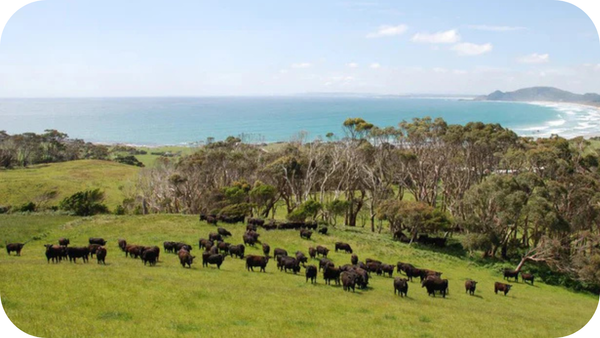

Not all pork is created equal. Some is mass-produced in factory farms, where pigs are raised in crowded pens with questionable diets and little room to move. Others live a life closer to nature, roaming, rooting, and grazing in open paddocks.
This is the world of free-range pork, and it’s fast becoming the go-to choice for Aussies who want more from their meat. But is it better for you? Or is it just a trendy label?
Let’s get into the science, break down the facts, and show why free-range pork might be one of your plate's smartest protein choices.
Better Fat Quality: More Good, Less Bad
The fat in pork gets a bad rap, but not all fat is created equal. Studies have shown that pigs raised in free-range environments, with access to natural forage and movement, have higher levels of omega-3 fatty acids and monounsaturated fats.
These are the same healthy fats found in foods like avocado, olive oil, and nuts. On the flip side, intensively farmed pork often has a higher ratio of saturated fats, which, in excess, can raise cholesterol and increase heart disease risk.
Choosing free-range pork means you’re getting a healthier fat profile that can support heart health, brain function, and inflammation control.
Cleaner Protein with Fewer Additives

Free-range pork isn’t just about a better fat profile, and it’s also a cleaner, safer source of protein. Conventional pork often comes from animals routinely given antibiotics and growth hormones to speed up production and prevent disease in cramped conditions.
These residues can remain in the meat, raising long-term health concerns such as antibiotic resistance and hormonal disruption. In contrast, free-range pigs are generally raised without these substances.
This results in a more natural protein source with fewer synthetic inputs. Free-range pork offers peace of mind and nutrient-rich value without the nasties for Aussies who care about clean eating and what goes into their bodies.
Higher in Key Micronutrients
Because of their diverse, natural diets and access to pasture, free-range pigs tend to produce meat that’s significantly richer in essential micronutrients. These include zinc, selenium, vitamin E, and iron, nutrients that play a crucial role in immune support, energy production, hormone regulation, and cell repair.
The natural foraging behaviour of free-range pigs allows them to consume a broader variety of minerals, which are then passed on through their meat. Additionally, these nutrients are more bioavailable in free-range pork, meaning your body can absorb and use them more efficiently.
For anyone seeking more functional, nutrient-dense protein, free-range pork delivers genuine health value with every bite.
Lower Stress Levels in the Animal = Better Meat for You

Stress isn’t just harmful to humans, it can significantly impact animal welfare and meat quality too. In intensive farming systems, pigs are often confined to small spaces, which raises stress hormone levels like cortisol and adrenaline.
This not only affects their well-being but also alters the chemistry of the meat. High-stress conditions can lead to pale, soft, exudative (PSE) meat that’s less flavourful, tougher in texture, and lower in overall quality.
Free-range pigs, on the other hand, enjoy more natural living conditions. They’re free to roam, root, and rest. This lower-stress lifestyle results in meat that’s more tender, juicier, and packed with clean, natural flavour you can taste in every bite.
Less Risk of Foodborne Contaminants
Factory-farmed meat often poses higher risks of contamination due to overcrowded conditions and poor sanitation practices. In these environments, pathogens can spread quickly, leading to greater reliance on antibiotics, disinfectants, and routine chemical treatments.
This not only affects the quality of the meat but also contributes to the growing concern of antibiotic-resistant bacteria. Free-range pork, on the other hand, comes from pigs raised in open, well-managed spaces with access to fresh air and clean pasture.
These pigs are less stressed, less exposed to disease, and raised in hygienic conditions. The result is safer meat with fewer harmful residues and a lower risk of foodborne illness for the end consumer.
Supports Better Gut Health
Many Aussies are turning to whole, unprocessed foods to support digestive health, and free-range pork is a strong ally in that journey.
Unlike meat from intensively farmed animals, free-range pork is raised without the use of unnecessary antibiotics or hormone treatments, both of which can negatively impact gut flora over time.
By eating cleaner, more natural meat, you're reducing your exposure to these substances, which may support a healthier gut microbiome. This means improved digestion, reduced bloating, and better absorption of nutrients.
Free-range pork also pairs well with gut-friendly ingredients like garlic, ginger, and fermented vegetables, making it a smart choice for anyone focused on improving their digestive wellbeing.
Free-Range Pork and Your Immune System
The nutritional boost in free-range pork has a powerful ripple effect on immune health. Meat from pasture-raised pigs is notably higher in key immune-supporting nutrients like zinc, selenium, and vitamin E.
Zinc plays a role in creating and activating white blood cells, selenium helps protect against oxidative stress, and vitamin E strengthens cellular function and defence systems. These micronutrients work together to improve your body’s ability to fight off infections, reduce inflammation, and recover faster.
Free-range pork is ethically sourced and also free from preservatives, fillers, and artificial additives that can place unnecessary stress on the immune system. Eating clean, nutrient-rich meat helps keep your natural defences running strong.
Sustainable for You and the Planet
This one isn’t strictly health-related but plays a role in long-term well-being. Supporting free-range pork means choosing ethical farming systems that care for the land, animals, and future generations.
Practices like rotational grazing enrich soil health, reduce erosion, and cut down on synthetic fertilisers. Free-range pigs also require fewer antibiotics, which helps combat the rise of antibiotic-resistant bacteria.
Ethical treatment of animals reduces stress and produces higher-quality meat with fewer interventions. Environmental sustainability has a ripple effect. Cleaner water, healthier air, and better biodiversity all contribute to the overall health of our ecosystems, and ourselves. Choosing free-range pork is a small act that leads to big benefits.
Less Processed, More Natural
Free-range pork is often sold in its purest form, without the fillers, brines, or chemical preservatives commonly used to extend shelf life or alter texture. For health-conscious Aussies, this means fewer unknowns and more control over what goes into their bodies.
Fewer additives can also mean fewer potential reactions, especially for people with sensitivities. With less processing, the nutritional integrity of the meat stays intact, from its vitamin and mineral content to its natural fats.
It also makes for a better cooking experience. When meat is raised right, you don’t need to drown it in sauces or seasoning. A little salt, pepper, and heat is all it takes.
Final Thoughts
Free-range pork isn’t just a feel-good label. It’s backed by nutritional science, animal welfare logic, and food safety benefits that make it a smart choice for health-conscious eaters.
At Carnivore Society, we believe meat should be raised with integrity and consumed with confidence. That’s why we source pork from Aussie farms that honour both the land and the animal.
If you want real flavour, real nutrition, and real peace of mind, free-range from the Carnivore Society is the way to go.