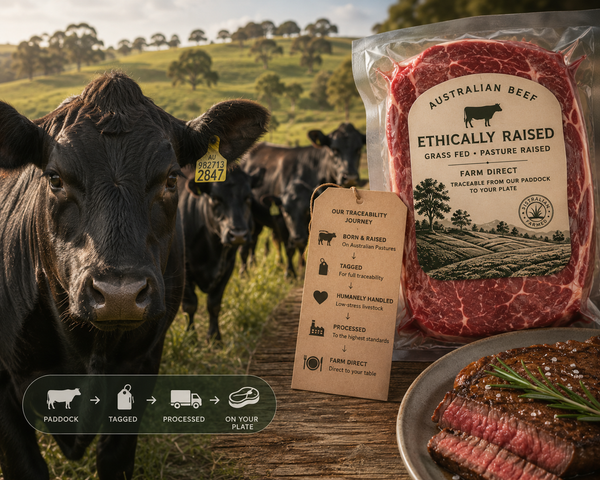

Beef labels are getting messy. Grass-fed, pasture-raised, grass-finished, free-range, it’s everywhere. Over 60% of shoppers now say they don’t fully trust meat labels, yet they’re still paying premium prices. That’s a problem.
You could be buying what looks like quality beef… but getting something completely different. Pasture-raised doesn’t always mean grass-fed. Grass-fed doesn’t always mean finished. Confusing, right? And it affects flavour, nutrition, and value.
This guide breaks down the real differences, what labels actually mean, and how to choose beef worth your money.
What Does Grass Fed Beef Actually Mean?
Grass-fed beef refers to cattle that are raised primarily on a natural diet of grass and forage rather than grain-based feeds. In Australia, this typically means animals graze freely on pasture for most, if not all, of their lives.
The goal is to mirror a more natural feeding system, which can influence both the nutritional profile and overall quality of the meat.
However, not all “grass-fed” labels mean the same thing. Some cattle are grass-fed for most of their lives but are finished on grain in the final weeks to increase marbling and tenderness. This is where the term “grass finished” becomes important. It indicates the animal remained on a grass-only diet right through to processing.
Understanding this distinction matters. Grass-fed beef is often leaner, with a different flavour profile and fatty acid composition compared to grain-fed beef. For buyers, it comes down to knowing exactly what you are paying for and choosing beef that aligns with your expectations.
What Does Pasture-Raised Beef Mean?
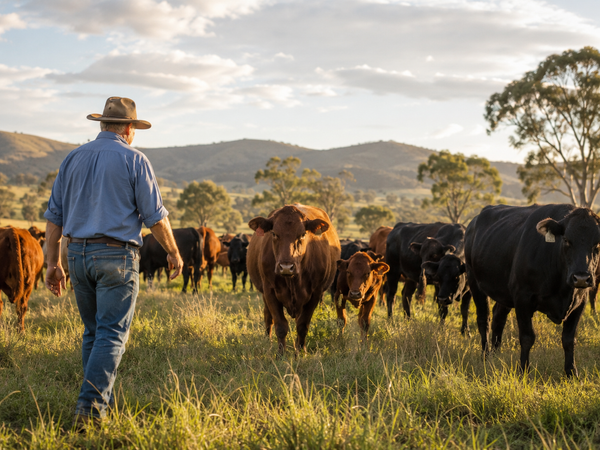
Pasture-raised beef refers to cattle that are given access to open grazing land, allowing them to roam and feed naturally on pasture. In Australia, this often reflects more traditional farming systems where animals spend most of their time outdoors rather than confined to feedlots. The focus here is on living conditions rather than strictly what the animal eats.
That’s where confusion starts. Pasture-raised does not always mean the cattle are fed only grass. Depending on the farm, animals may still receive supplementary feed, including grain, especially during dry seasons or to support growth. So while the cattle are raised on pasture, their diet can vary.
This distinction is important for buyers. Pasture-raised speaks to animal welfare and environment, but it does not guarantee a grass-only diet. To fully understand what you are buying, it is worth looking beyond the label and checking whether the beef is also grass-fed or grass finished.
Grass Fed vs Pasture Raised Beef: Key Differences

Here are the key differences between grass-fed and pasture-raised beef that directly impact quality, nutrition, and buying decisions.
1. Diet and Feeding Practices
Grass-fed beef comes from cattle that primarily consume grass and forage throughout their lives, with some being fully grass finished. In contrast, pasture-raised beef focuses on the animal’s living environment rather than a strict diet.
While cattle may graze on pasture, they can still receive grain or supplementary feed. This distinction makes grass-fed a diet-based label, while pasture-raised is more about access to open grazing conditions.
2. Living Conditions and Animal Welfare
Pasture-raised beef emphasises that cattle are raised in open environments with access to pasture, allowing natural movement and grazing behaviour.
Grass-fed cattle are also typically raised on pasture, especially in Australia, but the term itself does not strictly guarantee continuous outdoor access.
As a result, pasture-raised often appeals to buyers prioritising animal welfare, while grass-fed focuses more on feeding methods rather than explicitly defining living conditions.
3. Regulation and Labelling Standards
Grass-fed beef often follows more defined standards, particularly when labelled as 100% grass fed or grass-finished, with certifications supporting these claims. Pasture-raised, however, is less strictly regulated and can vary significantly between producers.
This flexibility can lead to inconsistencies in what the label represents. For buyers, this means grass-fed claims are generally easier to verify, while pasture-raised requires closer attention to sourcing and supplier transparency.
4. Nutritional Profile Differences
Grass-fed beef is typically leaner and contains higher levels of omega-3 fatty acids, along with beneficial nutrients such as antioxidants and vitamins. Pasture-raised beef may offer similar benefits, depending on the animal’s diet, but this is not guaranteed due to potential grain supplementation.
Because grass-fed is directly tied to feeding practices, its nutritional profile is more predictable. Pasture-raised, on the other hand, can vary depending on how the cattle are managed.
5. Flavour, Texture, and Marbling
Grass-fed beef tends to have a more distinct, earthy flavour and a firmer texture due to its lower fat content. Pasture-raised beef can vary in taste depending on whether grain supplementation is used, sometimes offering a balance between lean and marbled characteristics.
Compared to grain-fed beef, both options are generally less marbled. For cooking, grass-fed often requires careful handling, while pasture-raised may provide slightly more flexibility.
6. Price and Market Positioning
Grass-fed beef is often positioned as a premium product due to its perceived health benefits and natural feeding practices. Pasture-raised beef can also command premium pricing, particularly when linked to ethical farming and sustainability messaging.
However, pricing for pasture-raised products can vary widely depending on actual feeding methods. For buyers, grass-fed typically represents consistency in quality, while pasture-raised may reflect broader lifestyle and ethical considerations.
Which Is Healthier: Grass Fed or Pasture Raised Beef?
When it comes to health, grass-fed beef generally has the edge, but only when it is truly grass finished. Because the animal’s diet is consistent, grass-fed beef typically contains higher levels of omega-3 fatty acids, antioxidants, and certain vitamins such as vitamin E. It is also leaner, which appeals to those looking to manage fat intake.
Pasture-raised beef, however, is less predictable. While cattle have access to open grazing, their diet may still include grain depending on the farm. This can shift the nutritional profile closer to grain-fed beef, particularly in fat composition.
That said, both options can be high-quality sources of protein, iron, and essential nutrients. The key difference comes down to diet transparency. If health is your priority, choosing verified grass- fed and finished beef provides more consistency in what you are actually consuming.
Taste and Cooking Differences

Taste and cooking performance can vary noticeably between grass-fed and pasture-raised beef. Grass-fed beef typically has a more distinct, slightly earthy flavour that reflects its natural diet. It is leaner, which means less marbling and a firmer texture. Because of this, it requires a bit more care when cooking to avoid dryness.
Pasture-raised beef can deliver a broader range of flavours depending on the animal’s diet. If grain has been introduced, the meat tends to be richer, juicier, and more tender due to increased fat content. This makes it more forgiving during cooking.
For best results, grass-fed beef benefits from lower heat, shorter cooking times, and proper resting. Pasture-raised cuts, especially those with more marbling, can handle higher heat and still remain tender and flavourful on the plate.
Animal Welfare and Farming Practices
Animal welfare plays a growing role in buying decisions. Here are the key farming practices that influence how cattle are raised and treated.
- Pasture Access: Cattle raised on pasture have room to roam freely, express natural behaviours, and experience less stress compared to confined feedlot systems and controlled environments.
- Feeding Systems: Grass-fed systems rely on natural grazing, while pasture-raised cattle may receive supplementary feed, influencing both welfare standards and how closely farming reflects natural animal behaviour.
- Handling Practices: Low-stress handling methods are more common in pasture-based systems, reducing animal anxiety, improving overall wellbeing, and supporting better meat quality through calmer, healthier livestock management.
- Living Conditions: Outdoor environments provide fresh air, space, and movement, which contribute to stronger animal health, fewer illnesses, and a more natural lifecycle compared to intensive indoor or feedlot operations.
Common Misconceptions About Beef Labelling
These are the most common misconceptions about beef labelling that often mislead buyers and create confusion when choosing between grass-fed, pasture-raised, and other beef types.
- Grass-fed means always grass finished: Some cattle are only grass fed early, then grain finished, which changes fat profile, flavour, and overall consistency compared to fully grass finished beef products.
- Pasture-raised means no grain feeding: Pasture-raised refers to living conditions, not a strict diet, so cattle can still receive grain supplements depending on the producer and seasonal feeding requirements.
- Grass-fed beef is always healthier: While often leaner with more omega-3s, differences are moderate, and overall health impact depends on diet balance, portion size, and how the beef is prepared.
- Pasture-raised guarantees higher quality: Quality depends on genetics, handling, and finishing methods, not just pasture access, so pasture-raised does not automatically mean better flavour, tenderness, or consistency.
- All labels are strictly regulated: Many beef labels, especially pasture raised, lack strict standardisation, meaning definitions can vary widely between producers, making transparency and sourcing more important for informed buying decisions.
How to Choose the Right Beef for Your Needs

Choosing the right beef depends on your goals, cooking style, and expectations. Here are key factors to help you make a confident decision.
1. Define Your Priority: Health, Flavour, or Budget
Start by identifying what matters most. If health is the focus, lean towards grass fed and finished beef. For richer flavour and tenderness, grain-assisted or higher marbling cuts may suit better. Budget also plays a role, as premium sourcing often comes at a higher price point.
2. Understand Labels and Sourcing
Not all labels mean the same thing, so look beyond marketing terms. Check whether the beef is grass fed, grass finished, or pasture raised with supplementation.
Reliable suppliers provide transparency around farming practices, helping you make a more informed and confident purchase decision.
3. Match the Cut to Your Cooking Method
Different cuts perform differently depending on how you cook them. Lean grass fed cuts suit slower, controlled cooking, while well-marbled beef handles high heat and quick searing. Choosing the right cut ensures better texture, flavour, and overall results on the plate.
4. Consider Consistency and Supplier Trust
Consistency matters, especially if you want reliable results every time. Choosing a trusted supplier ensures the beef you buy meets the same standards across orders. This reduces guesswork and gives you confidence in both quality and performance when cooking or serving.
Why Choose Carnivore Society for Beef Sourcing
Choosing the right supplier matters just as much as choosing the right cut. At Carnivore Society, the focus is on sourcing beef with clear provenance, consistent quality, and complete transparency around how cattle are raised and finished.
You know exactly what you are buying, whether it is 100% grass fed, grass-finished, or premium grain-assisted for specific flavour profiles.
Every product is carefully selected based on farming practices, genetics, and feeding systems. This ensures each cut delivers on taste, texture, and nutritional value without guesswork.
Rather than relying on broad labels, Carnivore Society works directly with trusted producers who meet strict standards.
The result is a curated range of beef that performs in the kitchen and on the plate. From everyday cuts to high marbling Wagyu, the focus remains the same, quality you can trust. When sourcing matters, clarity and consistency make all the difference.
Final Thoughts
Grass-fed and pasture-raised may sound similar, but they represent very different aspects of how beef is produced. One focuses on diet, the other on environment. Understanding that distinction helps you choose with clarity, not guesswork.
When you know what to look for, you gain control over flavour, nutrition, and value. Whether you prefer lean, clean profiles or richer, marbled cuts, informed decisions lead to better outcomes on the plate.
Choose transparency, consistency, and quality. Explore Carnivore Society’s range and buy beef that delivers exactly what it promises.