
Ethical sourcing is front of mind, yet Wagyu labels can feel unclear. Over 70% of consumers now prioritise animal welfare, but many still don’t know how Wagyu is actually raised. That gap matters.
You’re paying a premium, expecting top-tier quality and responsible farming… but not all Wagyu is equal. Feeding systems, handling, and time on farm all shape the final product. It’s more complex than it looks!
In this guide, we break down how Australian farmers raise ethical Wagyu, from paddock to plate, so you can choose with confidence and clarity.
What Makes Wagyu Beef Unique?
Wagyu stands apart for its genetics, feeding, and unmatched eating quality. Here are the defining factors that make it one of the most premium beef categories.
- Exceptional Marbling: Wagyu is known for intense intramuscular fat, creating a rich, buttery texture that melts during cooking and delivers unmatched tenderness and flavour on the plate.
- Unique Genetics: Wagyu cattle carry genetic traits that promote consistent marbling, allowing farmers to produce highly graded beef with predictable quality across different cuts and production systems.
- Specialised Feeding Programs: Extended feeding periods and carefully balanced diets support marbling development, ensuring the beef achieves its signature richness while maintaining animal health and steady growth.
- Consistent Eating Quality: Wagyu delivers reliable results across cuts, with tenderness, juiciness, and flavour remaining consistent due to controlled farming, genetics, and grading systems used throughout production.
What Does Ethical Wagyu Beef Actually Mean?
Ethical Wagyu beef refers to cattle raised with a strong focus on animal welfare, responsible feeding practices, and full transparency from farm to plate. In Australia, this means farmers follow structured systems that prioritise the wellbeing of the animal at every stage, from breeding through to finishing.
Animal welfare sits at the centre. Cattle are handled using low-stress methods, provided with consistent access to clean water, quality feed, and appropriate living conditions. Health monitoring is ongoing, ensuring animals grow steadily without unnecessary intervention.
Feeding practices also play a role. Wagyu cattle are given carefully balanced diets designed to support both health and marbling development. While grain finishing is common, it is managed in a controlled and ethical way to maintain consistency without compromising welfare.
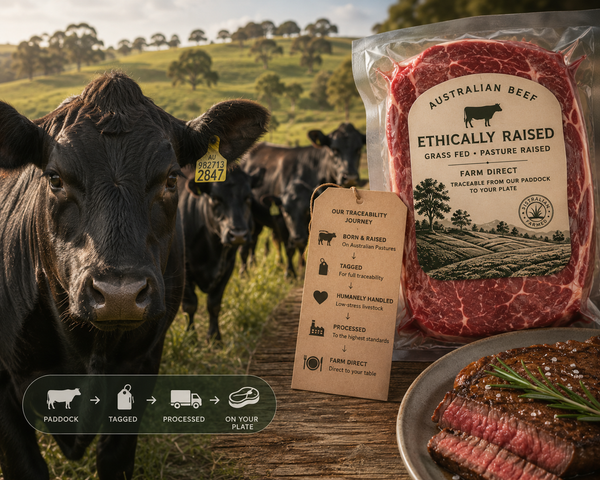
Traceability is equally important. Ethical Wagyu production ensures clear records of origin, feeding, and handling, allowing buyers to trust the quality, sourcing, and integrity of the beef they are purchasing.
The Origins of Wagyu in Australia

Wagyu in Australia began with the import of Japanese genetics in the late 20th century, laying the foundation for one of the world’s most respected beef programs. Careful breeding programs were established to preserve key traits such as marbling, temperament, and growth efficiency.
Over time, Australian producers refined these genetics by combining Wagyu bloodlines with local farming knowledge and conditions.
What sets Australian Wagyu apart is how well it adapts to diverse environments, from lush coastal regions to expansive inland properties. Farmers have developed systems that balance traditional Japanese principles with modern Australian practices, ensuring both quality and scalability.
Today, Australia is one of the largest producers of Wagyu outside Japan. Strong industry standards, traceability, and consistent grading systems have positioned Australian Wagyu as a premium product trusted in both domestic and global markets.
Early Life: Calving and Pasture Raising
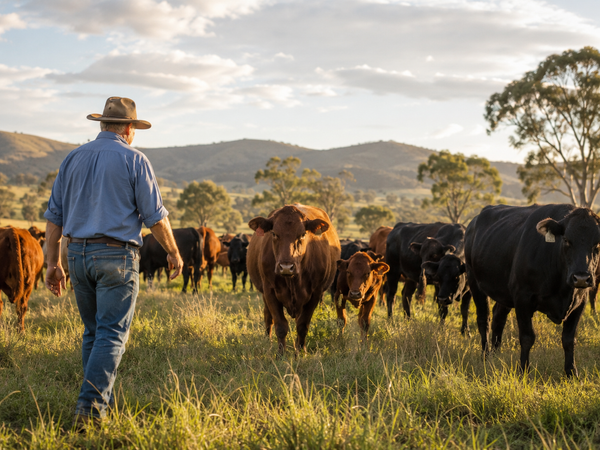
The early stage of a Wagyu animal’s life is critical in setting the foundation for quality and wellbeing. Calving typically takes place in an open pasture, where cows can give birth in a low-stress, natural environment. This approach supports both the health of the calf and the recovery of the mother.
After birth, calves remain with their mothers, feeding on milk while gradually adapting to grazing on pasture. This stage focuses on steady growth, strong immune development, and minimal stress. Access to clean water, quality forage, and shelter ensures the animals develop in a stable environment.
Pasture raising allows young Wagyu cattle to move freely and express natural behaviours, which contributes to overall wellbeing. This period is less about rapid weight gain and more about building a healthy, resilient animal that can later transition into specialised feeding programs.
Feeding Practices: From Pasture to Finishing
Wagyu feeding is a carefully managed journey. Each stage is designed to support health, steady growth, and the development of signature marbling.
1. Pasture-Based Early Growth
Wagyu cattle begin life on pasture, feeding on natural grasses and forage while developing strong digestive systems. This stage supports steady, healthy growth without pressure for rapid weight gain.
Farmers focus on animal wellbeing, ensuring access to clean water, shelter, and consistent nutrition. Building this foundation early is critical, as it prepares the animal for later feeding stages and influences overall quality, resilience, and long-term performance.
2. Transition to Controlled Feeding Programs
As cattle mature, they are gradually introduced to more controlled feeding systems. This transition is carefully managed to avoid stress and maintain digestive balance. Diets are adjusted to include higher energy feeds while still supporting animal health.
Farmers monitor intake, behaviour, and growth closely, ensuring each animal adapts properly. This stage bridges natural pasture feeding with precision nutrition, setting the groundwork for consistent marbling development in the finishing phase.
3. Grain Finishing for Marbling Development
In the final stage, Wagyu cattle enter specialised grain finishing programs designed to enhance marbling. These diets are balanced with grains, fibre, and nutrients to support both health and fat distribution.
Feeding is consistent and closely monitored over an extended period, often hundreds of days. This controlled approach allows the intramuscular fat to develop evenly, creating the rich flavour, tenderness, and texture Wagyu is known for worldwide.
Animal Welfare Standards in Australian Wagyu Farming

Strong welfare standards are central to Australian Wagyu production. Here are the key practices that ensure cattle are raised responsibly and with consistent care.
- Low-Stress Handling: Farmers use calm, controlled handling methods to reduce anxiety, support animal wellbeing, and improve meat quality by minimising stress throughout the animal’s lifecycle.
- Consistent Access to Feed and Water: Wagyu cattle are provided with reliable access to clean water and balanced nutrition, ensuring steady growth, good health, and reduced risk of stress or illness.
- Health Monitoring and Veterinary Care: Regular health checks and proactive care help detect issues early, maintain herd wellbeing, and ensure cattle develop under stable, well-managed conditions.
- Comfortable Living Conditions: Cattle are raised in environments that provide space, shelter, and clean surroundings, supporting natural behaviour and overall welfare throughout both pasture and finishing stages.
Sustainability and Environmental Responsibility
Sustainability in Australian Wagyu farming centres on long-term land and resource management. Farmers rotate grazing areas to protect pasture quality, prevent overgrazing, and support soil regeneration.
Many operations also integrate regenerative practices that improve biodiversity and soil health over time. During finishing, feed is carefully measured to reduce waste while maintaining consistent growth.
Water usage is monitored, and waste systems are managed to minimise environmental impact. These combined efforts allow producers to maintain premium Wagyu standards while operating in a way that supports environmental balance and future productivity.
The Role of Time, Care, and Consistency
Wagyu production is built on extended timelines and precise management. Cattle are raised over longer periods, often significantly beyond standard beef systems, to allow marbling to develop slowly and evenly.
This requires consistent feeding schedules, regular health monitoring, and low-stress handling throughout each stage. Farmers focus on maintaining stable conditions, so cattle grow without disruption. Care and attention at every step ensure uniformity across the herd.
This level of consistency is what delivers predictable quality, ensuring each cut meets expectations for flavour, tenderness, and overall performance.
Traceability and Transparency in Wagyu Production
Traceability is a defining feature of Australian Wagyu systems. Each animal is tracked from birth, with detailed records covering genetics, feeding programs, farm location, and handling practices.
Identification systems allow producers to monitor performance and maintain strict quality control across the entire lifecycle. This transparency extends through processing and distribution, giving buyers clear insight into sourcing.
For consumers, it removes uncertainty and builds confidence in both ethics and quality. Knowing exactly where the beef comes from ensures the product aligns with expectations around welfare, consistency, and premium standards.
Common Myths About Ethical Wagyu Beef
These are the most common myths about ethical Wagyu beef that often create confusion around farming practices, animal welfare, and how premium Wagyu is actually produced.
- Wagyu cattle are raised unethically: Australian Wagyu farming follows strict welfare standards, focusing on low-stress handling, proper nutrition, and consistent care, ensuring cattle are raised humanely throughout their lifecycle.
- Feedlots mean poor animal welfare: Modern Australian feedlots are controlled, well-managed environments with strict regulations, providing balanced nutrition, clean water, space, and regular monitoring to maintain cattle health and wellbeing.
- Wagyu cattle are force-fed: Wagyu are not force-fed; instead, they are gradually introduced to balanced diets designed to support natural marbling development while maintaining comfort, digestion, and overall health.
- All Wagyu is the same quality: Wagyu quality varies based on genetics, feeding duration, and management, with marbling scores used to distinguish different grades, meaning not all Wagyu delivers the same eating experience.
- Ethical Wagyu sacrifices flavour: Ethical farming actually improves meat quality, as reduced stress and consistent feeding contribute to better marbling, tenderness, and flavour, resulting in a superior and more consistent final product.
How to Choose Ethically Raised Wagyu Beef

Choosing ethical Wagyu comes down to transparency, sourcing, and consistency. Here are key factors to help you make a confident and informed decision.
1. Check the Source and Producer Transparency
Start by understanding where the Wagyu comes from. Trusted suppliers provide clear information about farm origin, genetics, and feeding programs.
Transparency is a strong indicator of ethical practices, ensuring the beef has been raised under controlled, well-managed conditions without hidden processes.
2. Look for Traceability and Clear Labelling
Ethically raised Wagyu should be fully traceable from farm to plate. Look for detailed labelling that includes marbling score, breed type, and production details. This level of traceability confirms authenticity and allows you to verify both quality and ethical standards.
3. Understand Feeding and Finishing Practices
Knowing how the cattle were fed is essential. Ethical Wagyu typically involves structured feeding programs that balance animal health with marbling development. Look for information on pasture raising and grain finishing to ensure practices align with responsible and consistent production.
4. Choose a Trusted Supplier for Consistency
A reliable supplier removes guesswork. Consistency in quality, grading, and sourcing shows strong relationships with reputable farmers. Choosing a trusted provider ensures the Wagyu you buy meets the same ethical and performance standards every time.
Why Ethical Wagyu Matters for Quality and Taste
Ethical Wagyu farming plays a direct role in the final eating experience. When cattle are raised in low-stress environments, their bodies develop more evenly, which supports better marbling, tenderness, and overall consistency. Stress can negatively affect meat quality, so controlled handling and stable conditions are essential.
Feeding programs also contribute to this outcome. Balanced diets, managed over extended periods, allow intramuscular fat to develop gradually. This creates the rich flavour, softness, and melt-in-your-mouth texture Wagyu is known for.
Consistency is another key factor. Ethical systems focus on steady growth and careful monitoring, ensuring each animal meets expected standards. This reduces variation and delivers reliable results across cuts.
In the end, ethical Wagyu is not just about farming practices. It directly influences flavour, texture, and performance, making it a key factor in producing premium-quality beef that meets both taste and expectation.
Why Choose Carnivore Society for Wagyu Beef
Choosing Wagyu is one thing. Choosing the right supplier is what makes the difference. At Carnivore Society, every cut is sourced with a clear focus on quality, transparency, and consistency. You are not just buying Wagyu, you are buying beef backed by trusted Australian farming practices and proven grading systems.
Each product is carefully selected based on genetics, feeding programs, and marbling performance. From crossbred to higher marble score Wagyu, the range is curated to deliver reliable results whether you are cooking at home or serving at a premium level. There is no guesswork, just a clearly defined quality.
Traceability is central to the process. You know where the beef comes from, how it has been raised, and what to expect on the plate.
When it comes to Wagyu, consistency matters. Carnivore Society delivers beef that performs every time, with flavour, tenderness, and sourcing you can trust.
Final Thoughts
Australian Wagyu is not just about marbling; it reflects time, care, and precise farming. From breeding to feeding, every stage is designed to balance animal welfare with exceptional eating quality. That is what sets it apart.
Understanding how Wagyu is raised gives you confidence in what you are buying. Ethics, transparency, and consistency all play a role in delivering beef that performs on the plate and meets higher standards.
Choose trusted sourcing, proven quality, and exceptional flavour. Explore Carnivore Society’s Wagyu range and buy with confidence.