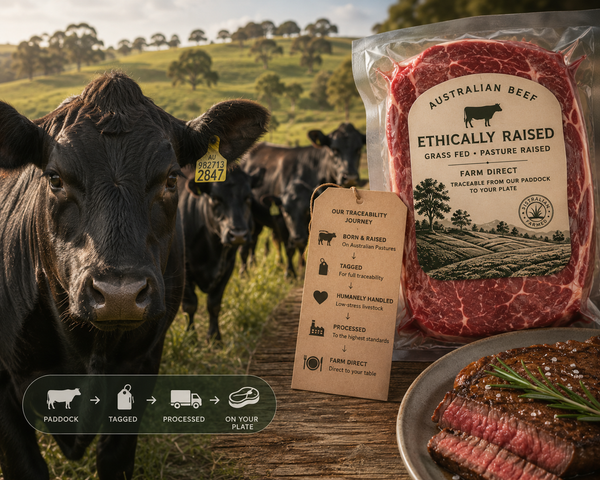

Nearly 60% of consumers now care about how their food is produced, yet most beef still comes from systems that prioritise output over quality. You get meat, sure, but not always the flavour or integrity you expect.
Poor soil, stressed livestock, and unnatural feeding all take a toll. The result? Inconsistent taste, lower nutritional value, and a disconnect between what you are paying for and what you actually get.
This guide shows how it improves beef quality, from soil to steak, and why it is shaping the future of premium meat.
What Is Regenerative Farming?
Regenerative farming is an approach to agriculture that focuses on restoring and improving natural ecosystems rather than simply maintaining them.
In beef production, it centres on building healthy soil, increasing biodiversity, and creating balanced grazing systems that work with nature instead of against it. This method aims to leave the land better than it was before, not depleted.
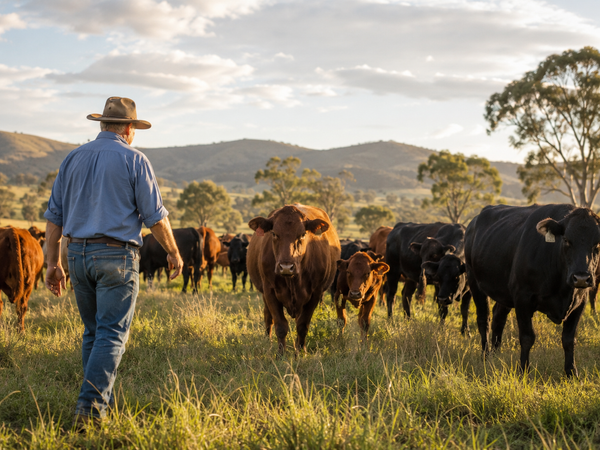
A key principle is soil health, as nutrient-rich soil produces stronger pastures, which directly impact the quality of feed available to livestock. Practices such as rotational grazing allow land to recover, improve plant growth, and support more diverse forage for cattle.
Regenerative farming also prioritises animal welfare and natural behaviours, ensuring cattle graze freely and experience lower stress. The result is a system that supports environmental sustainability while producing higher-quality beef with better flavour, texture, and nutritional value.
Why Farming Methods Directly Impact Beef Quality
Beef quality starts long before processing, shaped by how cattle are raised, fed, and handled. These are the key farming factors that directly influence outcomes.
- Animal Diet: What cattle eat directly affects flavour, fat composition, and nutritional value, with natural pasture diets often producing more complex taste profiles and healthier fat balances compared to grain-heavy feeding systems.
- Soil Health: Nutrient-rich soil supports diverse, high-quality pastures, which improves the feed available to cattle and ultimately enhance meat quality, consistency, and overall nutritional profile.
- Animal Welfare: Low-stress environments and humane handling reduce cortisol levels in livestock, helping improve tenderness, texture, and overall eating quality in the final beef product.
- Movement and Grazing Patterns: Natural grazing and movement allow cattle to develop more balanced muscle structure, contributing to better texture and consistency in meat compared to confined or restricted systems.
- Farming Inputs: Reduced use of synthetic chemicals and additives supports cleaner production systems, helping maintain natural meat quality while aligning with higher ethical and environmental standards.
Key Regenerative Practices That Improve Beef Quality

Regenerative farming is built on practical methods that directly influence how cattle are raised and fed. These are the key practices that shape better beef quality.
1. Rotational Grazing Systems
Rotational grazing involves moving cattle between paddocks to allow pasture to recover and regenerate. This improves forage quality and ensures consistent nutrition for livestock.
Healthier pastures lead to better-fed animals, which directly enhances flavour, texture, and overall meat consistency across different cuts.
2. Soil Health Management
Healthy soil is the foundation of regenerative farming, supporting nutrient-dense plant growth and diverse pastures. By improving soil biology and structure, farmers create stronger feed systems.
This results in cattle receiving higher-quality nutrition, which contributes to improved beef flavour, texture, and nutritional value.
3. Diverse Pasture Systems
Regenerative farms promote a variety of grasses and plants rather than relying on single-species pastures. This diversity provides cattle with a broader nutrient intake and a more natural diet.
The result is beef with more complex flavour profiles and improved nutritional composition compared to uniform feeding systems.
4. Reduced Chemical Inputs
Minimising synthetic fertilisers, pesticides, and additives helps maintain natural soil and pasture conditions. This approach supports cleaner production systems and reduces external interference in the food chain.
Cattle raised in these environments benefit from more natural diets, which can positively influence meat quality and integrity.
5. Low-Stress Livestock Management
Regenerative farming prioritises calm handling and natural living conditions for cattle. Reducing stress levels improves animal wellbeing and supports better muscle development.
This directly impacts tenderness, texture, and overall eating quality, making the final beef product more consistent and enjoyable.
How Regenerative Farming Enhances Beef Quality
Regenerative farming goes beyond sustainability and directly improves how beef looks, tastes, and performs. These are the key ways it elevates overall meat quality.
1. Improved Flavour Profile
Regenerative systems rely on diverse, nutrient-rich pastures, which naturally enhance the flavour of beef. Cattle consume a wider range of grasses and plants, creating more complex taste profiles compared to uniform feeding systems.
This results in beef that delivers deeper, more distinctive flavour, often described as cleaner, richer, and more reflective of natural farming conditions.
2. Better Texture and Tenderness
Low-stress environments and natural growth cycles allow cattle to develop more balanced muscle structure. Regenerative farming avoids intensive confinement, reducing stress hormones that can negatively impact meat quality.
As a result, beef tends to be more tender, with improved texture and a more consistent eating experience across different cuts.
3. Enhanced Nutritional Value
Healthier soil produces more nutrient-dense pasture, which directly influences the nutritional profile of the meat. Regenerative beef often contains higher levels of beneficial nutrients such as omega-3 fatty acids, vitamins, and antioxidants.
This makes it a stronger option for consumers seeking both quality and nutritional value in their meat choices.
4. Greater Consistency in Quality
Stable ecosystems and well-managed grazing systems create predictable feeding conditions for cattle. This consistency reduces variability in meat quality, ensuring more reliable results in flavour, tenderness, and overall performance.
For consumers, it means a dependable product that meets expectations every time, especially when sourced from trusted suppliers.
Regenerative vs Conventional Beef: Key Differences
Understanding how beef is produced helps you make smarter choices at purchase. This comparison highlights what truly separates regenerative and conventional systems.
| Factor | Regenerative Beef | Conventional Beef |
|---|---|---|
| Farming Approach | Focuses on restoring soil health, biodiversity, and ecosystems through natural farming practices | Prioritises efficiency and high output, often relying on intensive production systems |
| Animal Diet | Raised on diverse, nutrient-rich pastures with natural forage | Commonly grain-fed, especially during finishing stages, with less dietary diversity |
| Animal Welfare | Emphasises low-stress handling, natural grazing, and better living conditions | May involve confined feeding systems with higher stress levels |
| Soil and Land Management | Improves soil structure, fertility, and carbon retention over time | Can degrade soil health due to overuse and chemical inputs |
| Use of Chemicals | Minimises or avoids synthetic fertilisers, pesticides, and additives | Often relies on chemical inputs to maximise production efficiency |
| Environmental Impact | Supports sustainability through carbon sequestration and ecosystem restoration | Higher environmental footprint, including emissions and resource use |
| Flavour Profile | More complex, natural flavour influenced by a diverse diet | More uniform flavour, often influenced by grain finishing |
| Nutritional Value | Typically higher in omega-3s and beneficial nutrients | Generally lower in certain nutrients due to the feeding systems |
| Consistency | Driven by natural systems, offering reliable quality over time | Can vary depending on production methods and feed inputs |
| Consumer Transparency | Greater focus on traceability and ethical sourcing | Less transparency, often relying on standard supply chains |
Environmental Benefits That Support Better Beef

Better beef starts with better land management, where environmental health directly shapes livestock outcomes. These are the key environmental benefits that support higher-quality beef production.
- Soil Carbon Sequestration: Regenerative systems capture carbon in the soil, improving fertility and structure, which supports stronger pasture growth and provides cattle with more nutrient-dense feed for better overall meat quality.
- Water Retention: Healthy soils retain more water, reducing drought stress on pastures and ensuring consistent feed availability, which helps maintain stable cattle nutrition and improves consistency in beef quality.
- Biodiversity Support: Diverse ecosystems promote a wider range of plant species, giving cattle access to varied nutrition, which enhances flavour complexity and supports more balanced and nutrient-rich beef production systems.
- Reduced Land Degradation: Regenerative practices prevent soil erosion and land depletion, maintaining productive grazing environments that support long-term livestock health and contribute to consistent, high-quality beef outcomes.
- Lower Environmental Stress: Balanced ecosystems reduce external pressures on livestock, creating more stable living conditions that minimise stress and support better growth, directly influencing tenderness and overall meat quality.
Common Misconceptions About Regenerative Beef
There is a lot of confusion around regenerative beef, with many assumptions that do not reflect how these systems actually work. These are the myths worth clearing up.
- It is Just Grass-Fed: Regenerative beef goes beyond grass-fed claims, focusing on soil health, biodiversity, and ecosystem restoration, making it a more holistic approach than simply feeding cattle on pasture.
- There Is No Taste Difference: Regenerative beef often delivers more complex flavour due to diverse pastures and natural diets, which influence fat composition and create a richer, more distinctive eating experience.
- It Is Too Expensive for the Value: While often priced higher, regenerative beef reflects improved farming practices, better quality, and long-term sustainability, offering stronger value for consumers prioritising quality and ethical sourcing.
- There Are No Real Standards: Although less standardised than other certifications, many regenerative producers follow clear principles and transparent practices, allowing consumers to verify sourcing and understand how the beef is produced.
- It Does Not Impact the Environment: Regenerative farming actively improves soil health, biodiversity, and carbon capture, making it a system designed to restore land rather than deplete it over time.
How to Identify Regenerative Beef as a Consumer
Finding regenerative beef can feel unclear at first, but knowing what to look for makes the process much easier. These are the key ways to identify it confidently.
1. Look for Transparent Sourcing
Start by choosing suppliers who openly share where their beef comes from and how it is produced. Regenerative producers are typically transparent about their farming practices, grazing systems, and land management.
Clear sourcing information builds trust and helps confirm that the beef aligns with regenerative principles rather than vague marketing claims.
2. Check for Supporting Certifications or Claims
While regenerative certification is still developing, some producers align with recognised standards like organic or pasture-fed systems.
These can indicate similar practices. Look for detailed claims that go beyond basic labels, showing a commitment to soil health, biodiversity, and sustainable farming approaches.
3. Ask Questions About Farming Practices
Speaking directly with your butcher or supplier can provide valuable insight. Ask about grazing methods, feed types, and land management practices.
Genuine regenerative producers are confident in explaining their approach, helping you understand exactly how the beef is raised and why it meets higher standards.
4. Prioritise Grass-Fed and Pasture-Based Systems
Most regenerative beef comes from cattle raised on natural pastures. While not all grass-fed beef is regenerative, it is a strong starting point. Look for beef that emphasises natural diets and outdoor grazing, as these are key indicators of regenerative farming systems.
5. Buy From Trusted Suppliers
Working with reputable suppliers removes much of the uncertainty. Trusted providers focus on quality, transparency, and consistent sourcing. Building a relationship with a reliable supplier ensures ongoing access to regenerative beef and gives you confidence in every purchase you make.
Why Carnivore Society Supports Regenerative Farming

Carnivore Society supports regenerative farming because it aligns with a commitment to quality, integrity, and responsible sourcing.
By working with producers who prioritise soil health, natural grazing, and low-stress livestock management, the focus stays on delivering beef that performs where it matters most: flavour, texture, and consistency. These farming systems create stronger foundations, and that shows in every cut.
Beyond quality, regenerative practices support a more sustainable food system. Healthier soils, improved biodiversity, and better land management ensure long-term productivity without compromising future resources.
This approach reflects a belief that premium meat should not come at the expense of environmental balance or ethical and sustainable responsibility.
By sourcing from farms that follow regenerative principles, Carnivore Society ensures customers receive beef that meets higher standards across the board, combining better farming with better eating outcomes.
Experience Regenerative Quality with Carnivore Society
Regenerative farming brings beef back to what it should be: nutrient-rich, naturally raised, and full of flavour. Focusing on soil health, animal welfare, and balanced ecosystems, it creates a clear link between how food is produced and how it tastes.
These practices do more than improve quality. They support long-term sustainability, strengthen farming systems, and deliver consistency you can rely on with every cut. It is a smarter, more responsible way to produce premium beef.
Choose better beef today. Shop with Carnivore Society and enjoy ethically sourced, premium cuts raised with care and purpose.