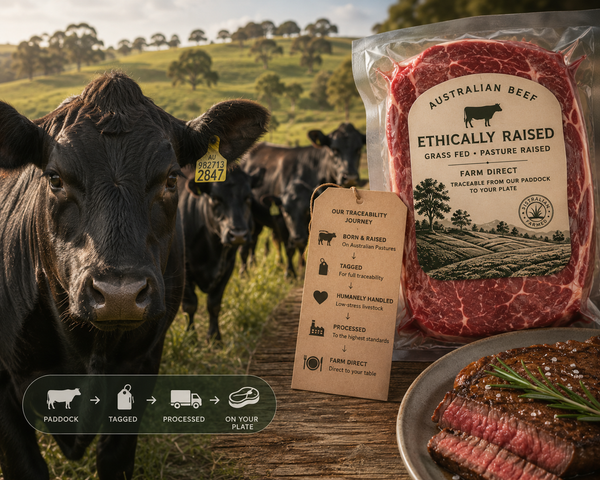

Over 65% of shoppers rely on labels when choosing meat, yet terms like “free range” and “grass fed” are often misunderstood. They sound similar, but they are not the same.
That confusion can lead to poor choices. You might pay more expecting better welfare, flavour, or nutrition, only to realise the label does not reflect what you assumed. It creates uncertainty at the shelf.
This guide breaks it down clearly. You will understand what each label actually means, how they impact quality and sourcing, and how to choose beef that truly matches your standards.
What Does Free Range Beef Mean?
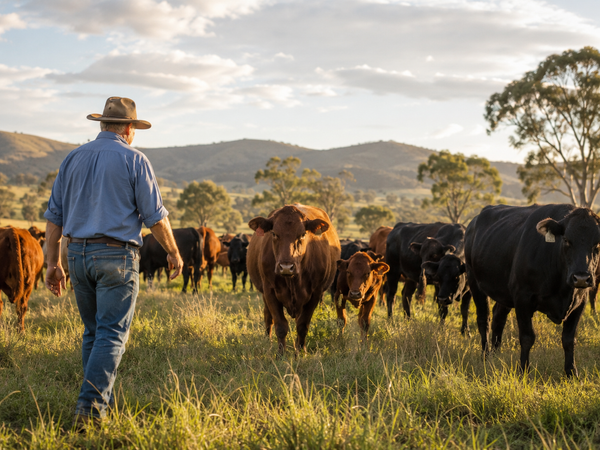
Free-range beef refers to cattle that have access to outdoor environments, allowing them to move freely rather than being confined to feedlots or enclosed systems. This access supports more natural behaviours such as grazing, roaming, and social interaction, which are often linked to improved animal welfare outcomes.
However, the term “free range” can vary depending on how it is applied. In many cases, it simply means animals are not permanently confined, but it does not always guarantee the quality of feed or the extent of outdoor access.
Without strict certification, standards can differ between producers, making the label less consistent than it appears.
Importantly, free range does not necessarily mean the cattle are grass fed for their entire lives. Some may still be grain-finished or supplemented. For consumers, this means free range is best viewed as a welfare-focused label, rather than a complete indicator of diet, quality, or sustainability.
What Does Grass Fed Beef Mean?
Grass-fed beef refers to cattle that are raised on a natural pasture-based diet, primarily consisting of grass and forage rather than grain. This approach aligns closely with how cattle are naturally meant to eat, supporting more traditional and extensive farming systems.
In Australia, many cattle are grass-fed for most of their lives, but the key distinction lies in whether they are grass-finished. Some cattle may be grass-fed initially and then grain-finished to increase marbling and weight.
Fully grass-fed and finished beef means the animal has consumed only pasture throughout its entire lifecycle.
Diet plays a major role in the final meat quality. Grass-fed beef is often leaner, with a more distinct, earthy flavour and a different fat composition, including higher levels of omega-3 fatty acids. For consumers, it represents a diet-focused label tied closely to nutrition, flavour, and natural production methods.
Free Range vs Grass Fed Beef: Key Differences

Understanding these labels helps you avoid confusion at the shelf and choose beef that aligns with your expectations. These are the key differences explained clearly.
1. Definition and Focus
Free range beef focuses on how cattle are raised, specifically their access to outdoor environments and ability to move freely. Grass-fed beef, on the other hand, is centred on what cattle eat, referring to a pasture-based diet.
This means beef can be free range without being grass fed, and grass fed without strict free range certification, making the distinction important when evaluating both welfare and feeding practices.
2. Animal Welfare
Free range systems generally promote better welfare by allowing cattle to roam and express natural behaviours. Grass-fed systems can also support welfare, but the term alone does not guarantee outdoor access or low-stress conditions.
Verified systems that combine both factors tend to deliver stronger welfare outcomes, making it important to look beyond single labels when assessing ethical standards.
3. Feeding Practices
Grass-fed beef guarantees a pasture-based diet, which directly influences flavour, fat composition, and nutritional value. Free-range beef does not define diet, meaning cattle may still be grain-fed or supplemented.
This makes grass-fed a more reliable indicator of feeding practices, while free range focuses more on living conditions rather than what the animal consumes.
4. Meat Quality and Flavour
Grass-fed beef typically has a more distinct, natural flavour and leaner profile due to its diet. Free-range beef quality can vary depending on what the cattle are fed.
While outdoor access may improve welfare, it does not guarantee specific flavour or nutritional outcomes, making diet a key driver of consistency in meat quality.
5. Transparency and Certification
Grass-fed claims are often supported by clearer certification systems, especially when labelled as 100% grass fed or pasture-fed. Free range, without certification, can vary widely in meaning.
This makes it essential for consumers to look for verified labels and transparent sourcing to ensure claims reflect actual farming practices rather than general marketing language.
How Farming Practices Affect Beef Quality
Beef quality is shaped long before it reaches your plate, influenced by how cattle are raised, fed, and managed. These are the key factors that matter.
- Animal Diet: What cattle eat directly impacts flavour, fat composition, and nutritional value, with pasture-based diets often producing more distinct taste and healthier fat profiles compared to grain-fed systems.
- Living Conditions: Access to space and natural environments supports better animal welfare, reducing stress and contributing to improved texture, tenderness, and overall consistency in beef quality.
- Stress Management: Low-stress handling during rearing and transport helps maintain muscle integrity, which plays a key role in tenderness and eating quality of the final product.
- Farming Inputs: Reduced reliance on synthetic chemicals and additives supports cleaner production systems, helping maintain natural meat quality while aligning with higher ethical and environmental standards.
- Growth and Finishing Methods: The way cattle are finished, whether grass-fed or grain-fed, influences marbling, flavour, and texture, making finishing practices a critical factor in determining final beef quality.
Nutritional Differences Between Free Range and Grass Fed Beef
Understanding what goes into your beef helps you make better nutritional choices. This comparison shows how diet and farming systems influence what you consume.
| Nutrient Factor | Free Range Beef | Grass Fed Beef |
|---|---|---|
| Omega-3 Fatty Acids | Can vary depending on diet, not guaranteed to be high | Typically higher due to a pasture-based diet |
| Omega-6 to Omega-3 Ratio | Less consistent, depends on feed and finishing | A more balanced ratio, often considered healthier |
| Total Fat Content | Varies widely based on feeding practices | Generally leaner with lower overall fat |
| Marbling (Intramuscular Fat) | Can be higher if grain-finished | Usually lower, resulting in leaner cuts |
| Vitamin Content (A & E) | Variable depending on feed quality | Often higher due to fresh pasture intake |
| Antioxidants | Not guaranteed, depends on diet diversity | Typically higher from natural forage |
| Protein Quality | Consistent across both systems | Comparable, with minor variation |
| Calorie Density | Can be higher if grain-fed | Usually lower due to reduced fat content |
| Nutritional Consistency | Less predictable due to varying diets | More consistent when fully pasture-fed |
| Overall Health Profile | Depends on how cattle are fed and finished | Often preferred for healthier fat composition |
Environmental Impact Comparison

The environmental impact of free-range and grass-fed beef depends largely on how farming systems are managed. Free-range systems can support better land use by allowing cattle to graze outdoors, but without proper management, they may still contribute to overgrazing and soil degradation. The label alone does not guarantee sustainable practices.
Grass-fed systems, particularly when managed well, can improve soil health and support more balanced ecosystems. Natural grazing helps maintain pasture quality, and in some cases, contributes to carbon retention in the soil. However, outcomes vary depending on grazing intensity and land management.
Overall, the most sustainable approach comes from well-managed pasture systems that prioritise soil health, biodiversity, and responsible resource use. It is not just the label that matters, but how the system is applied in practice.
Common Misleading Labels to Watch Out For
Labels can sound convincing, but not all reflect real standards or verified practices. These are the common terms that can mislead your buying decisions.
- Natural: This term has no strict regulation in many cases, meaning it does not guarantee animal welfare, feeding practices, or sustainability, and is often used to create a perception of higher quality.
- Farm Fresh: Farm fresh suggests local, high-quality sourcing, but lacks a defined standard, making it unreliable as an indicator of ethical production or consistent farming practices.
- Premium: Premium is a marketing term rather than a certification, offering no assurance about how the meat was produced, raised, or handled, despite implying superior quality.
- Hormone Free: In Australia, hormone use is already regulated, so this label can be misleading by suggesting added value where it may already be standard practice.
- Free-Range (Unverified): Without certification, free-range claims can vary significantly, providing no clear guarantee of outdoor access, space, or actual animal welfare conditions.
How to Choose Between Free Range and Grass Fed Beef
Choosing between labels becomes easier when you know what matters most to you. These are the key factors to guide your decision.
1. Define Your Priorities
Start by identifying what you value most, whether it is animal welfare, flavour, nutrition, or sustainability. Free range focuses on living conditions, while grass-fed focuses on diet. Understanding your priorities helps you choose the option that aligns best with your expectations.
2. Check for Verified Certifications
Do not rely on labels alone. Look for recognised certifications that verify claims around welfare and feeding practices. Certifications assure that the beef meets specific standards, helping you avoid misleading terms and ensuring you are making an informed, reliable purchase decision.
3. Understand the Source
Knowing where your beef comes from adds confidence to your choice. Choose suppliers who clearly explain their sourcing, farming methods, and supply chain.
Transparency ensures that labels reflect actual practices, helping you trust the quality and integrity of the product you are buying.
4. Consider Quality and Taste Preferences
Think about how you want your beef to perform when cooked. Grass-fed beef offers a leaner profile and distinct flavour, while free-range quality can vary depending on diet. Your taste preference plays an important role in making the right choice.
5. Buy From Trusted Suppliers
Working with reputable suppliers simplifies the process. Trusted providers focus on consistent quality, ethical sourcing, and transparency.
Building a relationship with a reliable supplier ensures you can confidently choose between free-range and grass-fed options without second-guessing your decision.
Which One Is Better for You?

The right choice between free-range and grass-fed beef depends on what matters most to you. If your priority is animal welfare and natural living conditions, free range can be a strong option, as it focuses on giving cattle space to move and behave naturally.
If you are more focused on nutrition and flavour, grass-fed beef is often the better choice. A pasture-based diet influences fat composition, producing leaner meat with a more distinct taste and potentially higher levels of beneficial nutrients.
For many buyers, the best approach is not choosing one over the other, but looking for beef that combines both qualities. When cattle are raised outdoors and fed a natural diet, you get the benefits of improved welfare, better flavour, and more consistent quality, making it easier to choose with confidence.
Why Carnivore Society Focuses on Transparent Sourcing
Carnivore Society focuses on transparent sourcing because it removes uncertainty and builds trust around every product. Knowing where meat comes from, how it is raised, and what standards are followed allows customers to make confident decisions.
This level of clarity ensures that claims around quality, welfare, and feeding practices are not just marketing but backed by real, verifiable processes.
Transparency also supports consistency. By working closely with trusted Australian farmers and suppliers, Carnivore Society maintains control over sourcing standards, ensuring each meat cut meets expectations for flavour, texture, and overall quality. It creates a reliable experience that customers can return to with confidence.
Ultimately, transparent sourcing reflects a commitment to doing things properly. It connects customers directly to the origin of their food, reinforcing accountability while delivering premium beef that aligns with both ethical values and high performance on the plate.
Choose Quality with Carnivore Society
Free-range and grass-fed beef are often confused, but they highlight different parts of how cattle are raised. One focuses on living conditions, the other on diet. Understanding both helps you cut through label noise and make clearer, more confident choices.
When you know what each term truly means, it becomes easier to match your values with what you are buying. Whether you prioritise flavour, nutrition, or welfare, the right choice comes down to informed decision-making.
Shop premium, transparently sourced beef from Carnivore Society and enjoy cuts you can trust every time.