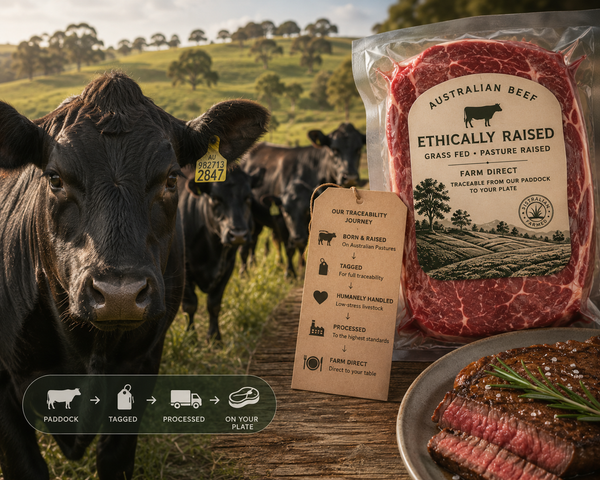

Nearly 70% of shoppers now prioritise ethically sourced meat, yet labels are everywhere, and clarity is nowhere! You’re standing at the shelf, scanning claims like “organic”, “free-range”, and “grass-fed”… but which ones actually mean something?
The confusion runs deep. Some labels sound impressive but lack real standards, while others are backed by strict certifications. Choose wrong, and you risk paying premium prices for promises that don’t hold up.
This guide breaks it all down. You’ll understand which certifications matter, what they guarantee, and how to confidently choose meat that aligns with quality, welfare, and sustainability.
What Does “Ethical Meat” Actually Mean?
Ethical meat refers to meat produced with a strong focus on animal welfare, environmental responsibility, and transparent farming practices. It goes beyond basic production standards and prioritises how animals are raised, fed, handled, and processed throughout their lifecycle.
This often includes access to pasture, natural diets, low-stress handling, and humane treatment at every stage.
At its core, ethical meat also considers the environmental impact of farming. Responsible producers aim to manage land sustainably, protect soil health, reduce emissions, and support biodiversity. This ensures that meat production does not come at the expense of long-term ecological balance.
Importantly, ethical meat is not defined by marketing terms alone. Verified certifications and traceable sourcing play a key role in proving these standards are met. For consumers, it means choosing meat that aligns with both personal values and higher-quality production systems.
Why Certifications Matter When Buying Meat
Cut through label confusion and make confident choices at the butcher or supermarket. These are the reasons certifications matter when buying meat and what they truly guarantee.
- Verified Standards: Certifications confirm claims are backed by strict, independently audited requirements, ensuring animal welfare, feeding practices, and sourcing meet clearly defined benchmarks rather than relying on unregulated marketing language.
- Transparency and Traceability: Certified meat offers clear farm-to-plate traceability, helping buyers understand origin, production methods, and handling processes without relying on vague claims or unclear sourcing information.
- Animal Welfare Assurance: Welfare certifications ensure animals are raised, transported, and processed under humane conditions, reducing stress and supporting better living standards that directly influence both ethical value and final meat quality.
- Environmental Responsibility: Sustainability certifications highlight farming practices that protect soil health, manage resources responsibly, and reduce environmental impact, allowing consumers to support producers committed to long-term ecological balance.
- Reduced Misinformation: Certifications help filter out misleading labels by distinguishing verified standards from marketing buzzwords, making it easier for consumers to identify genuinely ethical meat and avoid paying premium prices for unverified claims.
Key Ethical Meat Certifications to Know

Not all labels mean the same thing. This is where real certifications stand out and help you identify meat that genuinely meets ethical standards.
1. Certified Organic Meat
Certified organic meat follows strict guidelines around feed, farming practices, and animal welfare. Animals are raised without synthetic chemicals, antibiotics, or genetically modified feed, and are given access to natural environments.
In Australia, bodies like ACO and NASAA enforce strict guidelines across farming, processing, and handling.
While organic certification focuses heavily on inputs and production systems, it also supports improved welfare conditions and environmental sustainability. However, it does not always guarantee the highest welfare standards across all aspects.
2. Grass-Fed Certification
Grass-fed certification ensures animals are primarily raised on pasture and consume a natural diet rather than grain-based feeds. In Australia, many producers follow grass-fed systems, but certification provides verified assurance.
It is important to distinguish between grass-fed and grass-finished, as some animals may still be grain-finished. Fully grass-fed systems are often linked to better nutritional profiles and more natural farming practices.
3. Animal Welfare Approved Certifications
Animal welfare certifications, such as RSPCA Approved, focus specifically on how animals are treated throughout their lives. These standards cover housing, handling, transport, and slaughter processes to minimise stress and promote humane conditions.
Farms must meet strict welfare criteria and undergo regular audits. These certifications are particularly valuable for buyers prioritising ethical treatment, as they directly address the living conditions and wellbeing of livestock.
4. Free-Range Certification
Free-range certification indicates animals have access to outdoor environments where they can move freely and express natural behaviours. However, standards can vary significantly depending on the certifying body.
Verified free-range certifications provide clearer guidelines around space, stocking density, and outdoor access. Without certification, the term “free-range” can be loosely used, making it important to rely on trusted labels rather than general claims.
5. Sustainability and Regenerative Certifications
Sustainability certifications focus on the environmental impact of meat production, including soil health, water use, and biodiversity. Regenerative agriculture certifications go further by promoting farming practices that actively restore ecosystems.
These systems aim to improve land over time rather than deplete it. Choosing meat with these certifications supports producers who are committed to long-term environmental balance and responsible resource management.
6. MSA (Meat Standards Australia) Grading
MSA grading focuses on eating quality rather than farming practices alone. It assesses beef based on tenderness, juiciness, and flavour using a scientific grading system. While not strictly a welfare certification, it complements ethical sourcing by ensuring consistency and quality.
For consumers, MSA provides a reliable benchmark that the meat will deliver a premium eating experience every time.
Australian Ethical Meat Standards and Certifications
Australia has strong frameworks, but knowing which ones truly matter helps you choose better meat. These are the certifications and systems that define ethical standards locally.
- Meat Standards Australia (MSA): MSA focuses on grading meat quality through factors like tenderness, juiciness, and flavour, while also supporting traceability and consistent handling standards across Australian beef production systems.
- RSPCA Approved Farming Scheme: This certification ensures animals are raised under strict welfare standards, covering housing, feeding, transport, and humane treatment, with independent audits verifying farms meet required ethical conditions.
- Australian Certified Organic (ACO): ACO certification guarantees livestock are raised without synthetic chemicals or GM inputs, with access to natural environments, supporting both animal welfare and environmentally responsible farming practices.
- Pasturefed Cattle Assurance System (PCAS): PCAS verifies cattle are raised on pasture their entire lives without grain feeding, ensuring full traceability and supporting natural, grass-based production systems aligned with ethical sourcing expectations.
- Carbon Neutral Certifications: Certifications like Climate Active recognise producers who measure, reduce, and offset emissions, helping consumers support meat sourced from operations focused on lowering environmental impact and improving sustainability outcomes.
Common Misleading Labels to Watch Out For

Not every label tells the full story, and some are designed to sound better than they are. These are the common terms that can mislead buyers.
- Natural: This term sounds reassuring but is largely unregulated, meaning it does not guarantee animal welfare, feeding standards, or sustainable practices, and is often used purely as a marketing label.
- Farm Fresh: Farm fresh suggests quality and local sourcing, but it has no strict definition or certification, making it unreliable as an indicator of ethical farming or production standards.
- Hormone Free: In Australia, hormone use is already restricted in many cases, so this label can be misleading by implying added value where it may already be standard practice.
- Free-Range (Uncertified): Without third-party certification, free-range claims can vary widely, offering no clear assurance on space, outdoor access, or actual living conditions for animals.
- Premium Quality: Premium quality focuses on branding rather than standards, as it does not relate to verified ethical practices, welfare, or sustainability, making it subjective and often used to justify higher pricing.
How to Read Meat Labels Like an Expert
Labels can be confusing at first glance, but knowing what to focus on makes all the difference. These are the key things to check when reading meat labels.
- Look for Certifications: Prioritise recognised, third-party certification logos on packaging, as these confirm verified standards for welfare, feeding, and sustainability, rather than relying on unregulated marketing claims.
- Check Origin Information: Country of origin and farm sourcing details provide insight into production standards, helping you assess the traceability and trustworthiness of the meat you are purchasing.
- Understand Feeding Claims: Terms like grass-fed or grain-finished can impact both ethics and quality, so ensure claims are clearly defined and, where possible, backed by certification.
- Read Beyond the Front Label: Front packaging often highlights marketing terms, so reviewing the full label gives a clearer understanding of production methods, ingredients, and certifications.
- Identify Traceability Details: Batch numbers, supplier names, or QR codes allow you to trace the product back to its source, offering transparency and reinforcing confidence in ethical sourcing.
Do Certifications Affect Meat Quality and Taste?
Certifications can play a meaningful role in meat quality and taste, although they are not direct guarantees on their own.
What they do is signal that certain production practices and standards have been followed, many of which influence how the meat ultimately performs on the plate. Factors like diet, stress levels, and handling all contribute to flavour, tenderness, and consistency.
For example, animals raised under high welfare conditions tend to experience less stress, which can improve meat texture and eating quality. Similarly, grass-fed systems often produce leaner meat with a distinct flavour profile, while grain-finished options may deliver more marbling and richness.
Ultimately, certifications act as indicators of better farming practices. When combined with trusted sourcing and proper handling, they often align closely with premium quality and more reliable taste outcomes.
How to Choose the Right Ethical Meat for Your Needs

Choosing ethical meat can feel overwhelming at first, but clarity comes from knowing what to prioritise. These practical steps will help you make confident, informed decisions.
1. Define Your Priorities
Start by identifying what matters most to you, whether it is animal welfare, environmental impact, or nutritional quality.
Different certifications focus on different outcomes, so aligning your values with the right standards ensures your purchase reflects your expectations and supports the practices you care about most.
2. Check Verified Certifications
Look beyond marketing claims and focus on recognised, third-party certifications such as organic, grass-fed, or welfare-approved labels.
These provide clear assurance that the meat meets strict, audited standards, helping you avoid misleading terms and ensuring you are paying for genuine ethical production rather than branding alone.
3. Understand the Source
Knowing where your meat comes from adds another layer of confidence. Choose suppliers who are transparent about their farms, production methods, and supply chains.
Traceability ensures accountability, allowing you to verify ethical claims and build trust in the quality and integrity of the meat you are buying.
4. Balance Budget and Quality
Ethical meat can come at a premium, but it does not always require the highest spend. Focus on value by choosing cuts that offer both quality and affordability.
This approach allows you to maintain ethical standards while managing your budget without compromising too heavily on sourcing or overall eating experience.
5. Buy From Trusted Suppliers
Purchasing from reputable butchers or direct-to-consumer suppliers reduces uncertainty. Trusted providers prioritise transparency, consistent quality, and verified ethical sourcing.
Building a relationship with a reliable supplier ensures ongoing access to ethical meat and removes the guesswork from future purchasing decisions.
Why Carnivore Society Supports Certified Ethical Meat
Carnivore Society supports certified ethical meat because it aligns with a clear commitment to quality, transparency, and responsible sustainable sourcing.
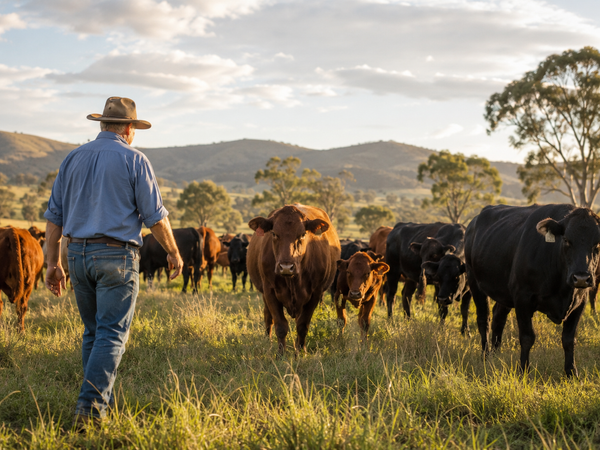
Working with trusted Australian farmers who meet recognised certification standards ensures every cut reflects better animal welfare, natural feeding practices, and consistent handling from farm to plate. This approach removes uncertainty and gives customers confidence in what they are buying.
Beyond quality, certification-backed sourcing supports long-term sustainability and accountability. By partnering with producers who prioritise soil health, low-stress livestock management, and traceable systems.
Carnivore Society contributes to a more responsible food chain. It also means customers are not relying on vague claims but on verified standards that hold producers to higher expectations.
Ultimately, this commitment ensures every product delivers on both ethical standards and the eating experience, giving customers premium meat they can trust.
Choose Better Meat with Carnivore Society
Choosing ethical meat comes down to clarity, not guesswork. Certifications give you a reliable way to cut through marketing noise and focus on standards that truly matter, from animal welfare to sustainability.
Understanding what each label represents helps you make smarter buying decisions. It also ensures you are investing in better farming practices, improved quality, and long-term food systems that benefit both people and the environment.
Take the next step with confidence. Shop premium, ethically sourced cuts from Carnivore Society and experience quality you can trust.