
Modern agriculture has pushed soil to its limits. Globally, over one-third of the world’s soil is already degraded, threatening the future of food production. Beef farming often gets blamed for environmental damage.
But here is the twist. Not all cattle farming harms the land. Poor land management can strip soil of life, reduce biodiversity, and weaken ecosystems. Yet the right approach can actually restore it!
That is where regenerative beef farming comes in. In this guide, we break down how regenerative cattle farming works, why it matters for soil health, and what it means for the future of beef.
What Is Regenerative Beef Farming?
Regenerative beef farming is an agricultural approach that focuses on restoring and improving the health of the land while producing high-quality beef.
Unlike conventional livestock systems that may prioritise maximum output, regenerative farming aims to rebuild soil fertility, support biodiversity, and strengthen natural ecosystems through responsible land management.
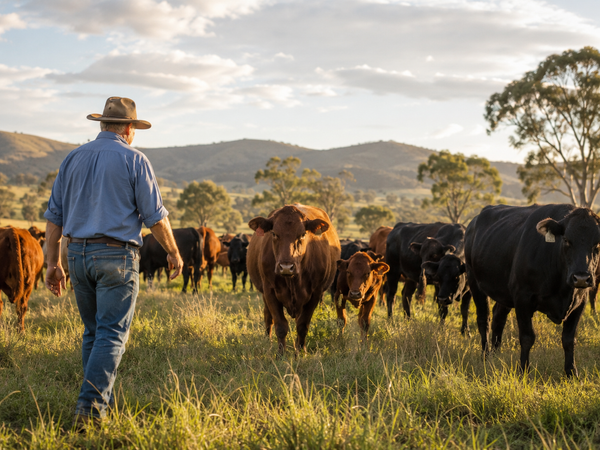
At the centre of regenerative beef farming is the idea that cattle can play a positive role in the environment when managed correctly. Farmers often use carefully planned grazing systems that move cattle across pastures in a way that mimics natural herd movement.
This allows grasslands to recover between grazing periods, encouraging healthier plant growth and improving soil structure.
Healthy soil is one of the biggest goals of regenerative farming. As cattle graze and fertilise the land naturally, organic matter increases in the soil, helping it retain water and nutrients more effectively.
By improving soil health and pasture systems, regenerative beef farming aims to create a more sustainable food system while producing nutrient-rich beef from well-managed landscapes.
Core Principles of Regenerative Beef Farming
Regenerative beef farming focuses on restoring natural systems while producing high-quality food. Here are the core principles that guide regenerative beef farming and sustainable land management.
1. Improving Soil Health
Healthy soil sits at the heart of regenerative farming. Farmers focus on increasing organic matter and supporting beneficial microbes within the soil. Through responsible grazing and natural fertilisation from cattle, soil structure improves, water retention increases, and nutrients become more available for healthy pasture growth.
2. Managed Rotational Grazing
Rather than allowing cattle to graze continuously in one area, regenerative farmers rotate herds across different paddocks. This practice mimics natural herd movement, allowing grasses time to recover between grazing periods while preventing overgrazing and supporting long-term pasture productivity.
3. Supporting Biodiversity
Regenerative farms aim to encourage a diverse ecosystem of plants, insects, and wildlife. Healthy pastures with multiple plant species create stronger ecosystems, improve soil health, and provide more resilient grazing environments that support both livestock and surrounding wildlife.
4. Minimising Synthetic Inputs
Regenerative systems reduce reliance on synthetic fertilisers, pesticides, and chemical inputs. Instead, farmers prioritise natural soil-building practices such as composting, rotational grazing, and organic matter regeneration to maintain productive pastures.
5. Working With Natural Ecosystems
Regenerative farming focuses on working with nature rather than against it. By understanding natural grazing cycles, rainfall patterns, and soil biology, farmers can manage land in ways that support ecosystem balance while producing high-quality beef sustainably.
How Regenerative Grazing Works in Beef Production

Regenerative grazing is a key practice used in regenerative beef farming to improve land health while raising cattle responsibly. Instead of allowing cattle to graze continuously in one pasture, farmers move herds through different sections of land in a planned rotation. This approach mimics the natural grazing patterns of wild herbivores.
When cattle graze a specific area for a short period, they trim the grass while also fertilising the soil through manure and urine. After the herd moves to another paddock, the grazed pasture is given time to recover. This rest period allows grasses to regrow stronger and deeper roots to develop.
Stronger root systems improve soil structure and increase the soil’s ability to retain water and nutrients. Over time, this process can build organic matter in the soil, which supports microbial life and healthier plant growth.
By carefully managing grazing patterns, regenerative farmers can improve pasture productivity, maintain soil health, and raise cattle in a way that supports long-term environmental sustainability.
Benefits of Regenerative Beef Farming
Regenerative beef farming focuses on restoring natural ecosystems while producing high-quality food. Here are some key benefits regenerative beef farming can offer for the environment, animals, and food systems.
- Improved Soil Health: Regenerative grazing helps increase organic matter in the soil, supporting beneficial microbes and improving soil structure. Healthier soil retains water better, supports stronger plant growth, and creates more resilient farmland.
- Increased Biodiversity: Regenerative farms encourage a variety of grasses, plants, insects, and wildlife. Diverse ecosystems strengthen pasture resilience, improve soil health, and create balanced environments that support both livestock and surrounding wildlife populations.
- Carbon Sequestration: Healthy soils can store significant amounts of carbon. Regenerative grazing encourages deeper plant roots and increased organic matter, which may help capture atmospheric carbon and support climate resilience.
- Better Animal Welfare: Cattle raised in regenerative systems typically spend more time grazing on open pasture. This environment allows them to express natural behaviours while reducing stress, supporting healthier livestock and improving meat quality.
- More Sustainable Food Production: By improving soil fertility and pasture health, regenerative farming can maintain productive farmland over the long term. This approach supports sustainable beef production while protecting natural ecosystems.
Regenerative Beef vs Conventional Beef Farming
Understanding the differences between farming systems helps consumers make informed choices about the food they buy. Here is a comparison of regenerative beef farming and conventional beef production practices.
| Aspect | Regenerative Beef Farming | Conventional Beef Farming |
|---|---|---|
| Land Management | Focuses on restoring soil health through rotational grazing and natural pasture management. | Often relies on intensive land use, with pastures sometimes overgrazed or supplemented with feedlot systems. |
| Soil Health | Prioritises improving soil organic matter, microbial life, and long-term soil fertility. | Soil health is not always the central focus, and degradation can occur with poor management practices. |
| Grazing Practices | Uses managed rotational grazing to allow grass recovery and improve pasture ecosystems. | Cattle may graze continuously in one area or be moved into feedlots for finishing. |
| Environmental Impact | Aims to improve biodiversity, increase carbon storage in soil, and restore ecosystems. | Environmental impact can be higher due to intensive land use, feed production, and waste concentration. |
| Animal Welfare | Cattle typically spend more time grazing freely on pasture and following natural herd behaviour. | Many cattle spend part of their lives in feedlots where movement and grazing opportunities are limited. |
| Farming Inputs | Minimises synthetic fertilisers, pesticides, and chemical inputs where possible. | Often relies more heavily on external inputs such as fertilisers, grains, and feed supplements. |
| Long-Term Sustainability | Focuses on regenerating land to maintain productivity for future generations. | May prioritise high production output, sometimes at the expense of long-term land health. |
Regenerative Beef vs Grass-Fed Beef

Regenerative beef and grass-fed beef are often mentioned together, but they are not the same thing. While both approaches involve cattle grazing on pasture rather than relying heavily on grain-based feed, regenerative beef farming goes further by focusing on the health of the entire ecosystem.
Grass-fed beef simply means cattle are raised primarily on grass and forage instead of grain. The emphasis is on the animal’s diet. Many grass-fed systems allow cattle to graze freely on pasture, which can support more natural feeding behaviour and often results in leaner meat with a different nutrient profile.
Regenerative beef farming, however, focuses on how the land is managed. Farmers use practices such as rotational grazing and soil restoration techniques to improve soil health, increase biodiversity, and strengthen pasture ecosystems.
In many cases, regenerative beef is also grass-fed, but not all grass-fed beef is regenerative. The key difference lies in the broader goal of regenerative farming, which aims to restore the land while producing high-quality beef in a sustainable way.
Why Regenerative Beef Farming Matters for the Environment
Regenerative beef farming plays an important role in restoring and protecting natural ecosystems. By focusing on soil health and responsible land management, regenerative practices aim to improve the environmental impact of cattle farming while maintaining productive farmland.
One of the most significant environmental benefits comes from improved soil health. Healthy soil rich in organic matter can store more carbon, retain water more effectively, and support a diverse range of beneficial microorganisms.
These improvements help strengthen pasture ecosystems and make farmland more resilient to drought and extreme weather conditions.
Regenerative grazing practices also support biodiversity. By allowing grasses and plants time to recover between grazing periods, farms can encourage a wider variety of plant species. This diversity creates healthier habitats for insects, birds, and other wildlife.
In addition, regenerative systems reduce the need for synthetic fertilisers and chemical inputs, which can harm soil and water systems.
By working with natural processes rather than against them, regenerative beef farming aims to create a more balanced relationship between food production and environmental stewardship.
How Consumers Can Identify Regenerative Beef

With growing interest in sustainable meat, many shoppers want to know where their beef comes from. Here are practical ways consumers can identify regenerative beef when choosing meat.
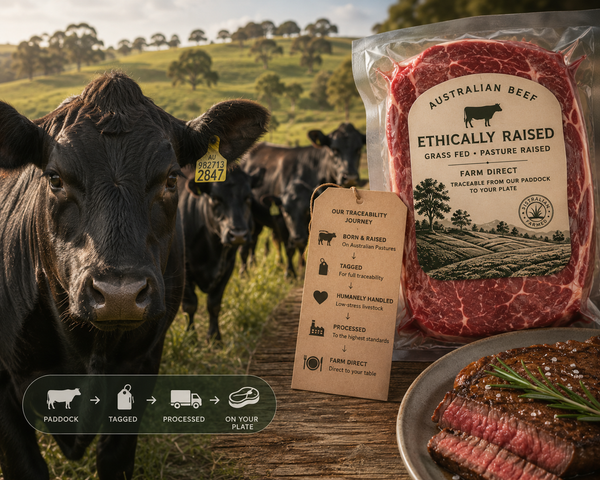
- Look for Regenerative Farming Claims: Some producers clearly state regenerative practices on product packaging or their website. These descriptions often highlight soil health, rotational grazing, and pasture-based farming methods that support sustainable beef production.
- Check for Transparent Farm Information: Reputable regenerative producers usually share detailed information about their farming practices. Consumers can look for farms that explain grazing systems, pasture management, and environmental stewardship.
- Research Producer Certifications: Certain organisations offer certifications related to regenerative agriculture or sustainable livestock management. These labels can help consumers identify producers committed to responsible land stewardship and ethical farming practices.
- Buy From Trusted Butchers or Direct Suppliers: Local butchers and specialised meat suppliers often know where their beef is sourced. Asking about farming practices can help consumers find beef raised through regenerative or pasture-based systems.
- Look for Grass-Fed and Pasture-Raised Indicators: While not always regenerative, grass-fed and pasture-raised labels often signal more natural grazing practices. These indicators can help guide consumers toward beef raised in more sustainable environments.
The Role of Carnivore Society in Responsibly Sourcing
At Carnivore Society, responsible sourcing is a key part of delivering premium-quality beef to customers. The focus goes beyond simply providing excellent cuts of meat. It also involves understanding where the beef comes from and how the cattle are raised.
Working with trusted producers allows Carnivore Society to prioritise farms that follow ethical and sustainable livestock practices. These producers focus on responsible grazing, healthy pasture systems, and careful land management that supports long-term agricultural sustainability.
Responsible sourcing also ensures better animal welfare. Cattle raised in well-managed environments experience natural grazing conditions, which can contribute to healthier livestock and higher-quality beef.
By selecting suppliers who value transparency and sustainable farming principles, Carnivore Society helps connect consumers with beef produced through thoughtful agricultural practices. This approach supports farmers who prioritise environmental stewardship while giving customers confidence in the quality and origin of the meat they purchase.
Through responsible sourcing, Carnivore Society aims to promote a more sustainable and transparent beef supply chain.
Choose Beef That Supports Better Farming
Regenerative beef farming focuses on restoring soil, strengthening ecosystems, and producing nutrient-rich meat through responsible land management. It shows that cattle, when managed correctly, can contribute positively to the environment.
This approach supports healthier landscapes and more sustainable food systems.
Support farmers doing it right. Explore responsibly sourced, premium-quality beef at Carnivore Society and enjoy meat raised with care for land, animals, and future food systems.