
Beef demand is rising fast, yet pressure on land and resources is growing. Over 70% of consumers now expect sustainable food choices. That shift is reshaping the entire industry.
But here’s the catch. Not all beef is produced the same. Poor practices can impact soil, water, and long-term supply. It’s not just about today’s steak, it’s about tomorrow’s system. That’s where things get serious!
This guide breaks it down clearly. You’ll see how sustainable beef production works, why it matters, and how smarter choices support quality, supply, and the future of beef.
What Is Sustainable Beef Production?
Sustainable beef production refers to raising cattle in a way that balances environmental responsibility, animal welfare, and long-term economic viability. It is not about reducing quality or output, but about improving how beef is produced so it can be maintained for future generations without depleting resources.
At its core, sustainability focuses on efficient land use, responsible water management, and reducing environmental impact. This includes practices such as rotational grazing, improved pasture management, and controlled feeding systems that minimise waste while supporting healthy cattle growth.
Animal welfare is also a key component. Low-stress handling, proper nutrition, and suitable living conditions contribute to both ethical standards and better meat quality.
Sustainable systems aim to create a cycle where land, animals, and production methods work together. The result is beef that is not only high quality but also produced in a way that supports long-term environmental and industry stability.
Environmental Impact of Beef Production
Beef production has a measurable environmental footprint. Here are the key impact areas that shape sustainability and how the industry manages them.
- Greenhouse Gas Emissions: Cattle produce methane during digestion, contributing to emissions, but improved feeding strategies and herd management can help reduce overall environmental impact over time.
- Land Use and Grazing Pressure: Large areas are required for grazing, which can strain land if unmanaged, though rotational grazing helps maintain soil health and prevent degradation.
- Water Consumption: Beef production uses water for cattle and pasture growth, but efficient systems and proper management can reduce waste and improve long-term water sustainability.
- Soil Health and Biodiversity: Poor practices can degrade soil and reduce biodiversity, while sustainable grazing methods can restore soil structure and support diverse ecosystems across farmland.
Why Sustainability Improves Beef Quality

Here is how sustainable farming practices directly enhance beef quality, from animal health and nutrition to consistency, flavour, and long-term product reliability.
1. Healthier Cattle Produce Better Meat
Sustainable farming prioritises animal health through proper nutrition, clean environments, and low-stress handling. Healthier cattle grow more consistently and are less prone to disease, which directly impacts meat quality.
When animals are well cared for, muscle development and fat distribution improve naturally. This results in beef that is more tender, balanced, and reliable, delivering a better eating experience across different cuts and production batches.
2. Natural Diets Enhance Flavour Profiles
Cattle raised under sustainable systems often consume diets that align more closely with their natural feeding behaviour. Whether grass-based or carefully balanced finishing rations, this approach supports cleaner, more distinct flavour profiles.
The quality of feed influences the final taste of beef, with well-managed diets producing more consistent and enjoyable results. This creates a noticeable difference in both everyday cuts and premium products.
3. Reduced Stress Improves Tenderness
Low-stress environments are a key part of sustainable beef production. When cattle are handled calmly and raised in stable conditions, stress hormones are minimised.
This has a direct effect on meat tenderness, as excessive stress can negatively impact muscle structure. Sustainable practices ensure cattle remain relaxed throughout their lifecycle, resulting in beef that is more tender, easier to cook, and more consistent in texture.
4. Consistent Farming Leads to Reliable Quality
Sustainability relies on controlled, repeatable farming practices that support long-term consistency. Farmers monitor feed, environment, and animal health closely, ensuring uniform development across the herd.
This level of control reduces variability in beef quality, which is essential for both consumers and suppliers. As a result, buyers can expect consistent marbling, flavour, and texture, regardless of when or where the product is sourced.
5. Better Land Management Supports Long-Term Production
Sustainable farming focuses on maintaining soil health, pasture quality, and resource efficiency. Healthy land produces better feed, which directly impacts cattle nutrition and growth.
Over time, this creates a stable production system where quality can be maintained without degradation. By protecting the environment that supports cattle, farmers ensure ongoing access to high-quality inputs, resulting in consistently better beef year after year.
The Role of Australian Farmers in Sustainable Beef Production
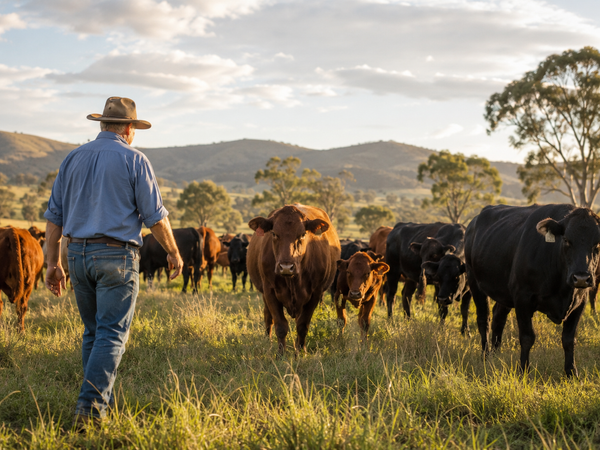
Australian farmers play a central role in driving sustainable beef production through practical, on-ground management. Their approach focuses on balancing productivity with long-term land health, ensuring farming systems remain viable for future generations.
This includes managing grazing patterns, maintaining pasture quality, and protecting soil structure through rotational practices.
Farmers also prioritise animal welfare, using low-stress handling and consistent feeding programs to support healthy cattle growth. These practices not only meet ethical standards but also contribute to better meat quality and more efficient production.
Innovation is another key factor. Many Australian producers adopt new technologies to monitor herd performance, optimise feed use, and reduce environmental impact. Data-driven decisions allow for more precise and efficient farming systems.
Ultimately, sustainable beef production relies on the decisions made at the farm level. Australian farmers combine experience, local knowledge, and evolving practices to deliver high-quality beef while maintaining environmental responsibility and long-term industry stability.
Animal Welfare and Ethical Farming Practices
Animal welfare is central to sustainable beef production. Here are the key practices that ensure cattle are raised responsibly while maintaining both ethical standards and consistent quality outcomes.
- Low-Stress Handling: Calm handling techniques reduce anxiety in cattle, supporting better health, steady growth, and improved meat quality by minimising stress throughout the animal’s lifecycle.
- Access to Quality Nutrition and Water: Consistent access to clean water and balanced feed ensures cattle remain healthy, grow efficiently, and develop properly without unnecessary strain or nutritional gaps.
- Appropriate Living Conditions: Providing space, shelter, and clean environments allows cattle to express natural behaviours, reducing illness risk and supporting overall wellbeing across both pasture and finishing stages.
- Ongoing Health Monitoring: Regular health checks and proactive management help identify issues early, maintain herd stability, and ensure cattle develop under controlled, well-managed farming conditions.
Challenges in Sustainable Beef Production

Sustainable beef production comes with real challenges. Here are the key obstacles farmers face when balancing environmental responsibility, animal welfare, and consistent production.
- Higher Production Costs: Sustainable systems often require more land, time, and resources, increasing operational costs and making it harder for producers to compete with conventional, lower-cost farming methods.
- Scalability Limitations: Expanding sustainable practices across large operations can be complex, as maintaining soil health, grazing balance, and animal welfare becomes more difficult at scale.
- Climate and Environmental Variability: Weather conditions such as droughts or extreme heat can impact pasture quality, water availability, and overall farm productivity, making consistent, sustainable practices harder to maintain.
- Consumer Awareness and Pricing Pressure: While demand is growing, not all consumers understand or are willing to pay for sustainable beef, creating pressure on producers to balance cost with market expectations.
How Consumers Influence Sustainable Beef Production
Consumer choices play a direct role in shaping how beef is produced. As more people prioritise sustainability, demand shifts towards beef that is responsibly sourced, ethically raised, and transparently labelled. This pressure encourages producers to adopt better farming practices to meet expectations.
Spending habits send a strong signal. When consumers choose sustainably sourced beef, they support systems that focus on land management, animal welfare, and long-term resource use. Over time, this influences supply chains, pushing more producers to improve standards.
Awareness also matters. Understanding labels, asking questions, and choosing trusted suppliers helps reduce reliance on unclear or misleading claims. Informed buyers drive accountability across the industry.
Ultimately, consumer behaviour helps shape the future of beef production. Every purchase decision contributes to how beef is farmed, encouraging a shift towards practices that balance quality, sustainability, and long-term viability.
How to Choose Sustainably Produced Beef
Making better choices starts with knowing what to look for. Here are practical ways to identify sustainably produced beef with confidence.
1. Look for Transparency in Sourcing
Choose suppliers who clearly share where their beef comes from, how cattle are raised, and what feeding systems are used. Transparency signals accountability and gives you confidence that the beef has been produced using responsible, well-managed farming practices.
2. Check for Traceability and Labelling
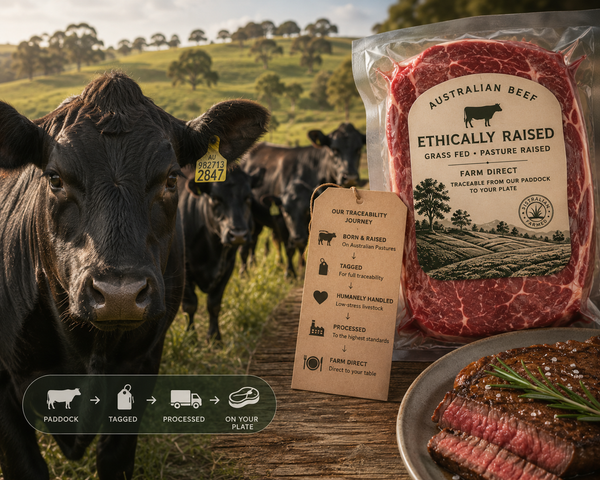
Sustainably produced beef should be traceable from farm to plate. Look for clear labelling that outlines origin, production methods, and grading details. This helps confirm authenticity and ensures the beef meets recognised standards for quality and responsible sourcing.
3. Understand Farming and Feeding Practices
Take time to understand how the cattle were raised and fed. Sustainable systems focus on balanced nutrition, efficient resource use, and animal welfare. Knowing these details helps you choose beef that aligns with both environmental responsibility and consistent quality.
4. Buy from Trusted, Consistent Suppliers
Working with reputable suppliers reduces uncertainty. Consistent quality, clear sourcing information, and strong relationships with responsible farmers indicate a reliable supply chain. This ensures the beef you purchase meets both sustainability expectations and performance standards every time.
Why Sustainable Beef Matters for the Future of Food
Sustainable beef plays a critical role in shaping the future of food systems. Here are the key reasons it matters long term.
- Long-Term Food Security: Sustainable practices ensure beef production can continue without depleting land, water, or resources, supporting a consistent supply for future generations.
- Environmental Protection: Responsible farming reduces emissions, protects soil health, and maintains biodiversity, helping balance production with environmental preservation.
- Improved Animal Welfare Standards: Sustainable systems prioritise ethical treatment, ensuring cattle are raised in healthier, low-stress environments that support both wellbeing and product quality.
- Consistent Quality and Supply: By maintaining stable farming systems, sustainable beef production delivers reliable quality while reducing risks linked to environmental or resource pressures.
Why Carnivore Society Supports Sustainable Beef

Sustainable sourcing is a core part of how Carnivore Society approaches beef. It is not just about offering premium cuts; it is about ensuring those cuts come from responsible, well-managed farming systems.
By working with Australian producers who prioritise land care, animal welfare, and consistent feeding practices, Carnivore Society supports a supply chain built for long-term quality.
Each product is selected based on more than just grading. Farming methods, traceability, and environmental responsibility all play a role in the sourcing process. This ensures the beef meets both performance expectations and ethical standards.
Sustainability also supports consistency. Healthy cattle, well-managed land, and controlled systems lead to more reliable results in flavour, texture, and overall eating experience.
By backing sustainable beef production, Carnivore Society helps maintain future supply while delivering premium quality today. It is a commitment to sourcing beef that performs on the plate and supports the industry behind it.
Choose Sustainable Quality with Carnivore Society
Sustainable beef production is not just about reducing impact; it is about securing the future of quality meat. Responsible farming protects land, supports animal welfare, and ensures long-term supply without compromising standards. That balance is critical.
As demand grows, the way beef is produced will shape both environmental outcomes and eating quality. Choosing sustainably sourced beef means supporting systems that prioritise consistency, care, and long-term value.
Support responsible sourcing and enjoy premium beef you can trust. Explore Carnivore Society’s range and make every purchase count.