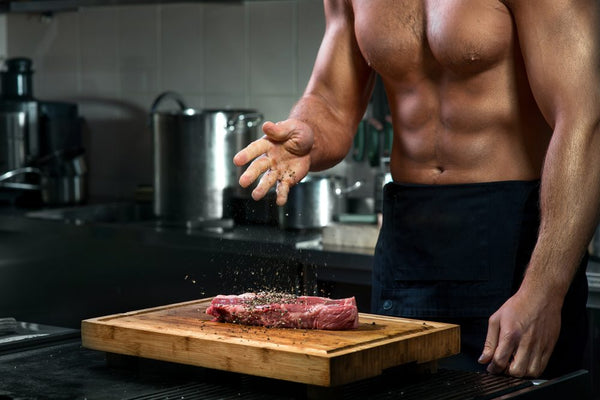

Starting the carnivore diet sounds simple. Eat meat, right? Yet the moment you walk into the butcher or supermarket, things get confusing fast. What cuts should you buy? How much protein is enough?
Many beginners end up grabbing random meats, missing nutrient-dense options, or overspending on the wrong cuts. That makes sticking to the diet harder than it should be.
This guide breaks it down clearly. You’ll see the best high-protein meats, essential animal foods, and a practical carnivore shopping list to make weekly shopping easy and effective.
Why a Carnivore Diet Shopping List Is Helpful
A carnivore diet shopping list makes it much easier to stay consistent with high-protein eating. When the diet focuses almost entirely on animal foods, planning helps ensure you always have the right ingredients available.
Instead of guessing what to buy at the supermarket or butcher, a clear list keeps your meals simple and structured.
A shopping list also helps prevent buying foods that do not align with the carnivore diet. Many processed foods contain hidden ingredients, carbohydrates, or plant-based additives that may not fit the diet. By focusing on specific animal foods such as beef, lamb, pork, eggs, and seafood, it becomes easier to stay within the diet’s guidelines.
Another advantage is better meal preparation. When you know exactly which meats and proteins to buy for the week, planning meals becomes more efficient. This can save time during busy days while ensuring you always have nutrient-dense foods ready to cook.
Overall, a carnivore shopping list supports consistency, simplicity, and better nutrition, which are essential for maintaining a high-protein carnivore lifestyle.
Essential Meat for a Carnivore Diet Shopping List
Choosing the right meats makes high-protein carnivore eating easier and more consistent. These nutrient-dense animal foods form the foundation of a practical carnivore shopping list.
Beef Cuts

Beef is the backbone of many carnivore diets because it delivers complete protein, healthy fats, and key nutrients such as iron and B vitamins.
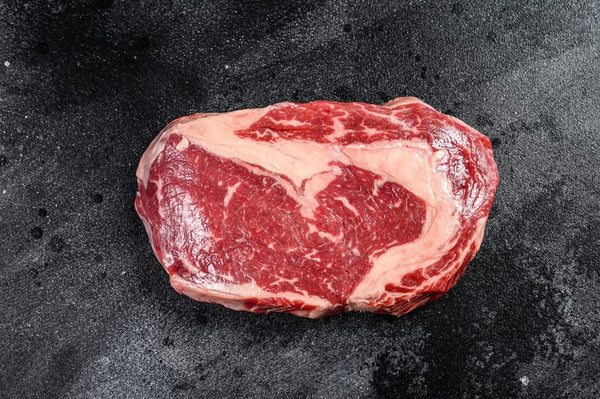
1. Ribeye
Ribeye is one of the most popular carnivore cuts thanks to its excellent balance of protein and fat. The marbling provides energy while keeping meals satisfying.
Ribeye also delivers rich flavour and cooks easily on a grill or pan, making it a staple option for people following a high-protein carnivore lifestyle.
2. Rump
Rump steak offers strong protein content with slightly less fat than ribeye, making it a practical everyday option. It provides the essential amino acids needed for muscle maintenance and recovery.
Rump is also widely available and relatively affordable, which makes it ideal for consistent weekly carnivore meal planning.
3. Porterhouse
Porterhouse steak is prized for its tenderness and deep beef flavour. This premium cut contains high-quality protein and moderate fat, making it a satisfying carnivore meal.
Many carnivore followers enjoy porterhouse when they want a hearty steak that supports both protein intake and overall satiety.
4. Brisket
Brisket is a fatty, flavourful cut that works especially well when slow-cooked. The fat provides calories that support energy levels on a carnivore diet, while the meat supplies substantial protein.
When cooked slowly, brisket becomes tender and rich, making it perfect for meal prep or larger carnivore dinners.
5. Short Ribs
Short ribs contain both protein and generous natural fat. Slow cooking allows the connective tissue to break down, creating extremely tender meat packed with flavour. This cut provides a hearty carnivore meal that supports satiety and energy intake for individuals following a meat-focused diet.
Chuck steak is a versatile and budget-friendly beef option. It contains solid protein levels along with moderate fat, making it suitable for everyday carnivore meals. Chuck steak can be grilled, pan-cooked, or slow-cooked, offering flexibility while maintaining strong nutritional value.
Lamb Cuts
Lamb adds flavour, nutrients, and healthy fats to a carnivore diet while providing high-quality protein.
1. Lamb Chops
Lamb chops are nutrient-dense and provide both protein and natural fat. They also contain iron, zinc, and vitamin B12, which support energy production and muscle function. Lamb chops cook quickly and deliver rich flavour, making them a satisfying addition to carnivore meals.
Lamb shoulder is a fattier cut that works particularly well for slow roasting or braising. The fat content helps provide calories needed for low-carbohydrate eating. When cooked slowly, lamb shoulder becomes tender and deeply flavourful, making it ideal for larger carnivore meals.
3. Lamb Shanks
Lamb shanks are best suited to slow cooking methods such as braising. They contain collagen, protein, and a strong flavour that develops during long cooking. The result is tender meat that falls from the bone, creating hearty carnivore meals that are both satisfying and nutrient-rich.
Pork Options
Pork provides additional variety while still supplying high-quality protein and fat.
1. Pork Belly
Pork belly is a fatty cut that delivers both protein and energy. Its high fat content supports calorie intake on a carnivore diet, while the meat itself remains rich and satisfying. When roasted or pan-cooked, pork belly develops a crispy texture that many carnivore followers enjoy.
2. Pork Chops
Pork chops provide a balanced combination of protein and moderate fat. They are easy to cook and widely available in supermarkets and butcher shops. Pork chops can be grilled, pan-fried, or baked, making them a convenient protein option for everyday carnivore meals.
3. Pork Shoulder
Pork shoulder is commonly used for slow cooking because it contains both fat and connective tissue. Long cooking breaks down the meat into tender portions packed with flavour. This cut works well for preparing larger batches of carnivore-friendly meals.
4. Bacon
Bacon remains a favourite among carnivore eaters because it combines protein with higher fat levels. Free Range Cold Smoked Bacon – Pacdon Park and Free Range Dry Cured Steaky Bacon – Pacdon Park pair well with eggs or steak and add flavour to many meals.
Many carnivore followers prefer bacon without added sugars or unnecessary processing ingredients.
High-Protein Carnivore Foods to Add to Your List

To maximise protein intake and nutritional value on a carnivore diet, it helps to include several reliable animal-based foods in your shopping list. Here are key options.
- Eggs: Eggs provide complete protein and essential nutrients such as vitamin B12, choline, and healthy fats. They are affordable, versatile, and easy to cook, making them a staple addition to many carnivore diet meals.
- Beef Mince: Beef mince delivers strong protein content and can be purchased in different fat ratios. It is easy to cook in large batches and works well for burgers, bowls, or simple carnivore meals.
- Fish: Fish such as salmon, sardines, and tuna supply protein along with beneficial omega-3 fatty acids. These nutrients support heart health, recovery, and overall dietary balance.
- Shellfish: Shellfish like prawns and mussels offer lean protein and minerals, including zinc, iodine, and selenium. Adding shellfish helps increase nutritional variety within a carnivore diet.
Organ Meats for Nutrient Density
Organ meats are among the most nutrient-dense foods available and are often recommended within the carnivore diet. While muscle meats such as steak and mince provide excellent protein, organ meats deliver a wider range of essential vitamins and minerals that support overall health.
Liver is one of the most commonly consumed organ meats because it is extremely rich in nutrients. It provides high levels of vitamin A, vitamin B12, iron, folate, and copper. These nutrients help support energy production, immune function, and healthy red blood cell formation.
Other organs, such as the heart and kidneys, also contribute valuable nutrients. The heart contains important compounds like CoQ10, which supports energy production in cells. Kidney provides protein along with selenium and other trace minerals that help support metabolic health.
Although organ meats are typically eaten in smaller portions, including them occasionally can help improve the overall nutrient profile of a carnivore diet and ensure the body receives a broader range of essential nutrients.
Seafood for Variety and Omega-3 Fatty Acids

Seafood is a valuable addition to a carnivore diet because it provides high-quality protein along with beneficial omega-3 fatty acids.
Including fish and shellfish adds variety to meat-based meals while supporting nutritional balance. Many seafood options are also easy to cook and widely available in Australia.
- King Salmon: A fatty fish rich in omega-3 fatty acids and high-quality protein. Salmon supports recovery after training and adds nutritional variety to carnivore meals.
- Sardines: Small oily fish that are nutrient-dense and convenient. Sardines contain omega-3 fats, protein, and minerals, making them a practical addition to carnivore meal planning.
- Mackerel: A flavourful oily fish known for its high omega-3 content. Mackerel provides both protein and healthy fats that support energy needs.
- Tuna: A lean seafood option that delivers a large amount of protein. Tuna helps increase protein intake while keeping carnivore meals simple and satisfying.
- Barramundi: A popular Australian fish that provides lean protein and mild flavour. Barramundi fillets cook quickly and offer a versatile seafood option for carnivore meals.
- Prawns: Shellfish that provide lean protein and a delicate flavour. King Prawns cook quickly and add variety to carnivore meals while maintaining a strong protein focus.
Animal Fats to Include in Your Shopping List
Animal fats are an essential part of the carnivore diet because they provide energy when carbohydrates are removed. Fat also improves satiety and enhances the flavour of meat-based meals.
Including a few reliable cooking fats in your shopping list helps ensure meals remain satisfying while supporting energy needs throughout the day.
- Beef tallow: Rendered beef fat commonly used for frying or roasting meat. It is stable at high cooking temperatures and adds rich flavour to steaks, eggs, and other carnivore meals.
- Butter: A simple animal fat that pairs well with many meats. Butter adds flavour and helps increase fat intake when cooking leaner cuts such as rump or sirloin.
- Ghee: Clarified butter with milk solids removed. Ghee has a higher smoke point than regular butter and is often used for grilling or pan-searing meats.
- Lamb fat: Fat trimmed from lamb cuts can be rendered and used for cooking. It adds a strong flavour and complements lamb-based carnivore meals well.
Budget-Friendly Carnivore Diet Shopping Tips
Eating a carnivore diet does not have to be expensive when you choose cuts wisely and shop strategically. These simple tips can help reduce costs.
- Buy Meat in Bulk: Purchasing larger quantities of meat from butchers or suppliers often lowers the price per kilogram and ensures you always have carnivore-friendly food available.
- Choose Affordable Cuts: Cuts such as chuck steak, brisket, beef mince, and pork shoulder provide excellent protein while remaining more affordable than premium steaks.
- Look for Butcher Specials: Many local butchers offer weekly specials or discounted cuts, which can significantly reduce the cost of carnivore shopping.
- Use Freezer Storage: Freezing meat allows you to buy larger quantities during sales and store them safely for future meals.
- Rotate Different Proteins: Including pork, poultry, and mince alongside steak can help maintain variety while keeping your weekly grocery costs manageable.
Why Choose Carnivore Society for a High-Quality Carnivore Diet

Choosing high-quality meat is one of the most important parts of following a carnivore diet. The quality of the meat you eat affects flavour, nutrition, and overall satisfaction with your meals. This is where Carnivore Society stands out.
Carnivore Society focuses on supplying premium Australian grass-fed meats that are carefully sourced from trusted producers. The range includes high-quality beef, Wagyu, lamb, and other nutrient-dense cuts that suit a protein-focused carnivore lifestyle.
These meats are selected for their flavour, marbling, and overall quality, helping ensure a better eating experience.
Another advantage is convenience. Ordering from Carnivore Society allows customers to access premium meat cuts online and have them delivered directly to their door. This makes it easier to maintain a consistent carnivore diet without relying solely on local supermarket options.
For people committed to high-protein eating, Carnivore Society offers reliable access to quality meat, helping make carnivore meal planning simple and enjoyable.
Common Carnivore Shopping Mistakes
Beginners often make simple shopping errors when starting a carnivore diet. Avoiding these common mistakes can improve meal quality and consistency.
- Buying Meat That Is Too Lean: Lean meats may not provide enough fat for energy on a carnivore diet, which can lead to hunger or fatigue.
- Relying on Processed Meats: Some processed meats contain additives, sugars, or preservatives that do not align with strict carnivore eating.
- Ignoring Nutrient-Dense Cuts: Focusing only on popular steaks may cause you to miss nutrient-rich options such as organ meats or fatty cuts.
- Not Planning Weekly Meals: Shopping without a clear meal plan may lead to buying random cuts that do not support consistent carnivore meals.
- Overlooking Bulk Buying Opportunities: Purchasing small portions repeatedly can increase costs compared with buying larger quantities at once.
Tips for Planning Carnivore Meals
Planning carnivore meals helps maintain consistent protein intake while keeping cooking simple and efficient. These practical tips can help.
- Build Meals Around Protein: Start every meal plan with a quality meat source such as steak, mince, lamb, pork, or seafood to ensure adequate protein intake.
- Prepare Meat in Batches: Cooking several portions of meat at once saves time and ensures carnivore meals are ready throughout the week.
- Rotate Different Meat Cuts: Alternating between beef, lamb, pork, poultry, and seafood helps maintain dietary variety and nutritional balance.
- Include Animal Fats: Adding butter, tallow, or fatty meat cuts helps provide energy and keeps carnivore meals satisfying.
- Keep Meals Simple: Focusing on simple meat-based meals reduces preparation time while maintaining the principles of the carnivore diet.
Build Your Carnivore Shopping List with Confidence
A strong carnivore diet starts with the right foods in your basket. Choosing nutrient-dense meats makes high-protein eating simple and sustainable.
From quality beef and lamb to eggs, seafood, and animal fats, the right shopping list keeps meals satisfying and consistent.
Ready to upgrade your carnivore meals? Stock your kitchen with premium meats from Carnivore Society today.