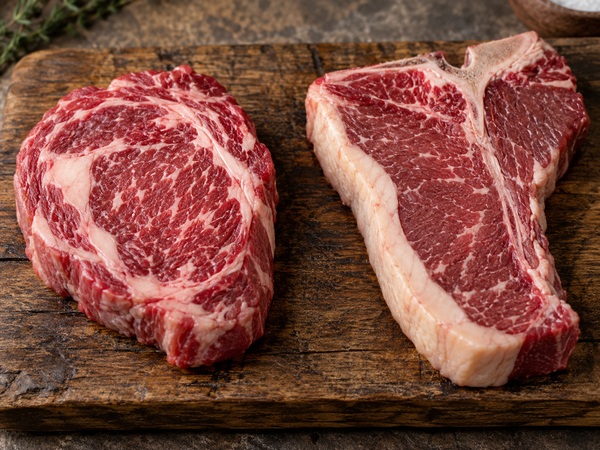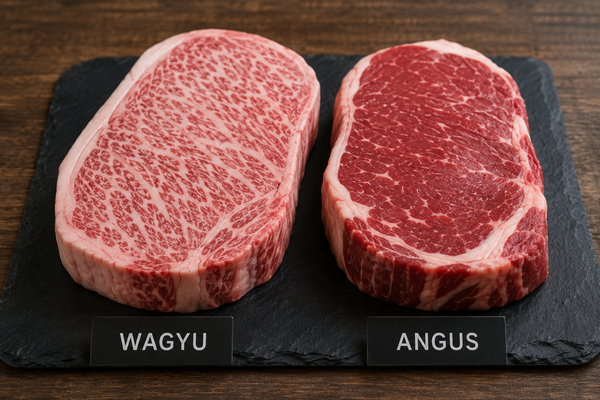

Beef cuts all trace back to a handful of primal cuts, the large sections a carcase is first broken into, split between the forequarter and the hindquarter.
Know which primal a cut comes from and you instantly know how it wants to be cooked, because hard-working muscles need slow cooking while lazy ones suit fast heat.
This guide walks through every Australian primal, maps our names to the American ones, and shows which beef cuts to buy for grilling, roasting, slow cooking and mince.
What Are Primal Cuts of Beef?
Primal cuts are the large primary sections a beef carcase is divided into before being broken down further into the retail cuts you see at the butcher. Australian butchery splits the carcase into the forequarter, the front half that carries more connective tissue and works harder, and the hindquarter, where the tender premium steaks live.
The rule that unlocks everything: the more a muscle works, the more flavour and connective tissue it carries, and the longer and slower it needs to cook. That is why chuck becomes a braise and eye fillet becomes a fast-seared steak.
Once you can read a cut this way, comparisons like our 11 cuts of beef ranked by flavour and fat content make a lot more sense.
Forequarter Cuts

The forequarter holds the hardest-working muscles, which means big flavour that rewards slow cooking, plus one glorious exception in the rib.
Chuck
From the neck and shoulder, chuck is loaded with connective tissue that melts into gelatine over hours. It is the benchmark cut for braises, casseroles and slow-cooked shredded beef, and a top-tier mince base.
Brisket
The chest muscle, made up of the point and the flat. Brisket is the low-and-slow icon: smoked, braised or slow-roasted until it slices like butter. Our guide to brisket, short rib and chuck roll covers it in depth.
Rib
The forequarter's premium pocket. The rib primal gives you scotch fillet (ribeye), the cube roll, tomahawks and beef short ribs, richly marbled and built for grilling or roasting.
Shin and Shank
The leg muscles, dense with connective tissue and flavour. Cut across the bone as osso buco or diced for slow cooking, shin turns silky after a few hours and makes the best gravy of any cut.
Hindquarter Cuts

The hindquarter carries the tender, fast-cooking cuts that dominate the steak counter, along with the lean roasting legs.
Striploin and Sirloin
The back muscle that gives you porterhouse (also sold as sirloin or New York strip). Firm bite, clean beef flavour and an even fat cap make it the classic all-round steak.
Tenderloin (Eye Fillet)
The laziest muscle on the animal and therefore the most tender. Eye fillet is the special-occasion steak, best seared fast and served rare to medium rare. It headlines our list of the top tender beef cuts.
Rump
A working muscle with real flavour at a fair price. Rump suits grilling and pan-frying when sliced thick, and roasting whole as a picanha-style rump cap.
Flank and Skirt
Thin, loose-grained muscles from the belly. High flavour, quick cooking, and they must be sliced across the grain. Ideal for stir-fries, fajitas and marinated grilling.
Topside and Silverside
The lean rear legs. Topside roasts well when kept pink; silverside is the corned beef classic and a budget roast. Both shine in our low cost beef cuts guide.
Oyster Blade
Technically from the shoulder blade but sold as a steak cut, oyster blade (flat iron) is a butcher's secret: tender, marbled and cheap. It features in our butchers' favourite cuts for good reason.
Australian vs American Beef Cut Names
Australian and American butchers cut the same animal differently and name the cuts differently, which is why US recipes so often confuse local buyers. This map translates the most common ones:
| Australian name | American name | Primal |
| Scotch fillet | Ribeye (boneless) | Rib |
| Porterhouse / sirloin | New York strip / striploin | Striploin |
| Eye fillet | Tenderloin / filet mignon | Tenderloin |
| Rump | Top sirloin | Rump |
| Topside / silverside | Round | Leg |
| Oyster blade | Flat iron | Chuck / blade |
| Shin | Shank | Leg |
Note the trap: an American porterhouse is a bone-in T-bone style steak, not the boneless striploin steak we call porterhouse here. When following a US recipe, translate the cut first and the cooking method second.
Which Beef Cut Is Best For...?
Match the cut to the method: fast heat for tender hindquarter cuts, slow heat for hard-working forequarter cuts.
| Cooking method | Best beef cuts |
| Grilling and BBQ | Scotch fillet, porterhouse, rump, oyster blade |
| Pan searing | Eye fillet, scotch fillet, porterhouse |
| Roasting | Rib roast, rump cap, topside, whole eye fillet |
| Slow cooking and braising | Chuck, brisket, shin, short ribs, silverside |
| Stir-fry and quick slicing | Flank, skirt, rump |
| Mince and burgers | Chuck, brisket trim |
For barbecue-specific picks, thickness and heat setup, our guide to the best meat cuts for BBQ goes further.
How to Choose Quality Beef, Whatever the Cut

Whatever the cut, quality shows up in three places: grading, marbling and feeding. MSA grading is Australia's independent eating-quality standard, and it matters more than brand names; our explainer on why MSA grade beef matters breaks down what it guarantees.
Marbling, the fine threads of intramuscular fat, drives juiciness and flavour in fast-cooked cuts, so pay for it in steaks before roasts. Feeding shapes character: grass fed beef eats cleaner and leaner, grain fed marbles heavier and richer.
Finally, buy the primal logic, not the price tag. A well-raised chuck outperforms a poorly raised eye fillet in the right dish, and knowing what each cut is built for is exactly how you spend less and eat better.
Explore Every Beef Cut Online
Every cut of beef makes sense once you know its primal: forequarter for slow-cooked depth, hindquarter for tender speed. Use the naming map for recipes and the method table when buying.
Explore our full range of Australian beef cuts, from scotch fillet to brisket, all graded, cryovac sealed and delivered Australia-wide.