Slow Cooked Lamb Shoulder Pull Apart Style
Introduction
Lamb shoulder is one of the most flavourful cuts, thanks to its natural fat and connective tissue. Cooked low and slow, that collagen breaks down and the meat pulls apart effortlessly. This recipe is simple and reliable: gentle roasting for tenderness, a final blast of heat for a crisp top, and a proper rest so every strand stays juicy.
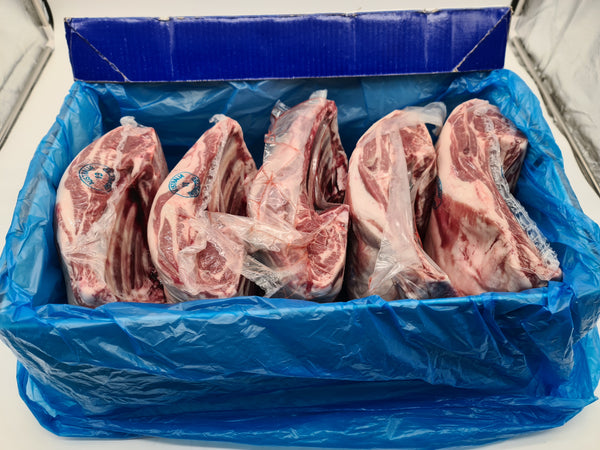
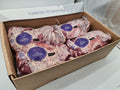
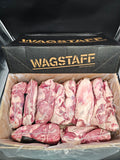
Use a bone-in grass fed lamb shoulder. It is a forgiving cut, so the method does the work for you.
Ingredients
For 7 servings
- 2.5-3kglamb shoulderbone-in
- 2 tbspolive oil
- 2 tbspsea salt
- 1 tbspcracked black pepper
- 4 clovesgarliccrushed
- 2 sprigsrosemaryfresh
- 1 cuplamb or beef stock
- 1/2lemonjuice only
Utensils
5 items to gather · Tap to tick off
- Deep roasting tray
- Aluminium foil
- Two forks
- Meat thermometer
- Chopping board
Cooking Steps
Bring to room temperature
Remove the lamb from the fridge 30 to 45 minutes before cooking and pat it completely dry to help it crisp.
Season generously
Rub olive oil over the whole surface, season well with salt and pepper, and press the crushed garlic into the meat.
Prepare the tray
Place the lamb in a deep roasting tray, pour the stock into the base keeping the top exposed, and scatter rosemary around it.
Slow roast
Cover tightly with foil and roast at 160°C fan for 4 hours, until the meat is very tender and the bone loosens easily.
Crisp the top
Remove the foil, increase the oven to 200°C, and roast uncovered for 30 to 40 minutes until golden and slightly crisp.
Rest
Transfer to a board and rest for 20 minutes so the juices settle.
Pull apart and serve
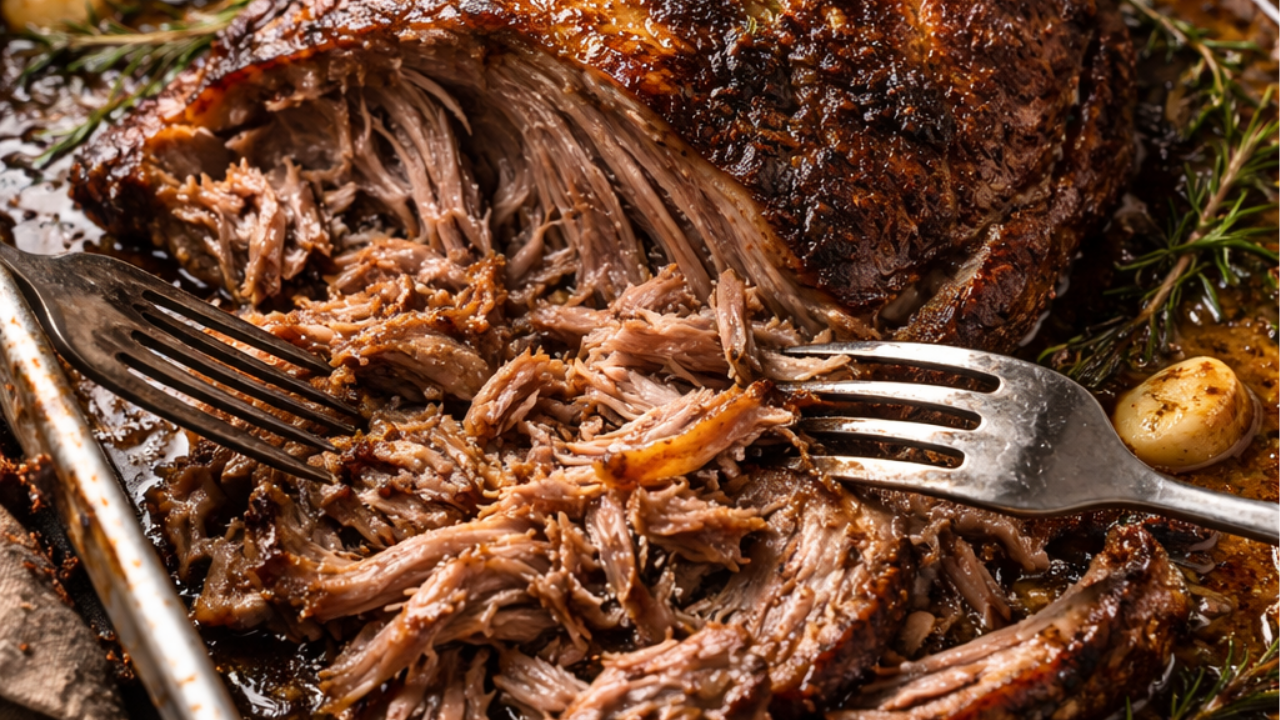
Shred the lamb into thick strands with two forks, spoon over the pan juices, and finish with a squeeze of lemon.
Nutrition
Per Serving
Recipe serves 7Nutritional values are estimates only and may vary based on specific ingredients, brands, cuts, cooking method, and portion sizes. For medical or dietary purposes, please consult a qualified nutritionist.
Tips and Pairing
People Also Ask
How long does it take to slow cook lamb shoulder? +
A 2.5 to 3kg bone-in lamb shoulder takes about 4 hours covered at 160°C fan, plus 30 to 40 minutes uncovered to crisp the top and a 20 minute rest. It is ready when the bone loosens and the meat pulls apart easily. Low and slow is forgiving, so a little extra time only makes it more tender.
What temperature do you slow cook lamb shoulder at? +
Cook lamb shoulder covered at 160°C fan, around 170 to 180°C conventional, for the long, gentle roast that breaks down the connective tissue. Then lift the heat to 200°C uncovered at the end for a crisp, golden top. The two stage approach gives tender, pull apart meat with texture on the surface.
Why is lamb shoulder good for slow cooking? +
Lamb shoulder is a hard working muscle with plenty of fat and collagen, which makes it tough when cooked quickly but meltingly tender when cooked low and slow. The collagen turns to gelatine over hours of gentle heat, basting the meat from within and giving it deep flavour and a fall apart texture.
Do you cover lamb shoulder when roasting? +
Yes, cover it tightly with foil for the long, slow stage so it steams and stays moist as the connective tissue breaks down. Then remove the foil and raise the heat at the end so the surface crisps and colours. Covering first and uncovering last gives the best of both, tender inside and crisp on top.
How do you know when slow cooked lamb shoulder is ready? +
It is ready when the meat shreds easily with a fork and the bone wiggles or pulls free with little resistance. The internal temperature will be well above 90°C, since the cut needs to go past the point that would dry a steak for the collagen to render. Judge it by tenderness rather than a single number.