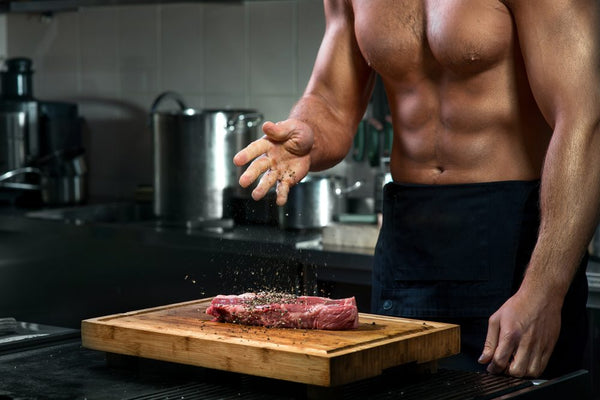

More Australians are trying the carnivore diet, but the first question always hits fast. What do you actually eat? When everything plant-based is off the table, beginners often feel stuck staring at the butcher’s display.
Australia produces some of the best beef and lamb in the world, yet many newcomers still struggle to build simple carnivore meals. Too many options. Too much confusion. The result? People either overcomplicate it or quit early.
This guide breaks it down clearly. You will see exactly what foods fit a carnivore diet in Australia, the best meats to buy, and how to build practical, everyday meals.
What Is the Carnivore Diet?
The carnivore diet is an eating approach that focuses entirely on animal-based foods. Instead of including vegetables, grains, fruits, or plant oils, this diet centres on meat, fish, eggs, and animal fats. The idea is simple: eat animal foods and remove plant foods from the plate.
Many people follow the carnivore diet as a stricter version of low-carbohydrate eating. While diets like keto allow some vegetables and other plant foods, the carnivore diet eliminates them entirely.
Meals are typically built around nutrient-dense animal products such as beef, lamb, pork, poultry, seafood, and eggs.
In Australia, this way of eating is becoming more popular because high-quality meat is widely available. From grass-fed beef to locally sourced lamb and fresh seafood, Australians have access to excellent animal-based foods.
At its core, the carnivore diet focuses on simplicity. Meals usually consist of meat, animal fat, and sometimes eggs, making it one of the most straightforward dietary approaches.

What Do Australians Typically Eat on a Carnivore Diet?
Many Australians following a carnivore diet rely on simple animal foods that are easy to source locally. Here are the most common foods included in everyday carnivore meals.
1. Beef as the Primary Protein Source
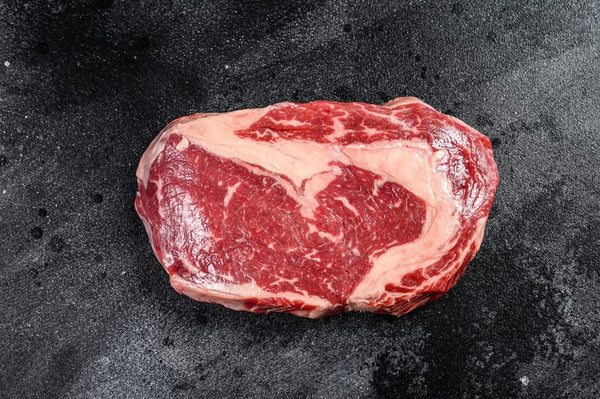
Beef forms the foundation of most carnivore diets in Australia. Many people rely on ribeye, scotch fillet, porterhouse, and beef mince for everyday meals.
These cuts provide a strong balance of protein and fat, helping maintain satiety throughout the day. Slow-cooked brisket, short ribs, and chuck steak are also widely used for hearty carnivore meals.
2. Lamb as a Classic Australian Carnivore Staple
Lamb is another common choice because Australia produces some of the best lamb in the world. Carnivore followers often enjoy lamb chops, lamb shoulder, lamb leg boneless and lamb shanks for their rich flavour and healthy fat content.
Lamb mince is also widely used for quick meals, making it an easy and accessible addition to carnivore diet plans.
3. Pork for Variety and Rich Flavour
Pork adds variety to the carnivore diet and is commonly eaten across Australia. Popular options include pork belly, pork chops, and slow-roasted pork shoulder.
Free Range Cold Smoked Bacon – Pacdon Park and Free Range Dry Cured Steaky Bacon – Pacdon Park are also widely consumed, particularly alongside eggs for breakfast. Pork provides both protein and fat, making it a satisfying choice for those following a carnivore eating approach.
4. Eggs for Easy, Nutrient-Dense Meals
Eggs are widely eaten on the carnivore diet because they are convenient, affordable, and nutrient-dense. Many Australians enjoy eggs alongside steak or bacon for breakfast.
Fried, scrambled, or boiled eggs also work well as quick meals or snacks. Their protein, fat, and vitamin content make them a valuable staple in carnivore meal planning.
5. Seafood from Australia’s Coastal Waters
Seafood plays an important role for many carnivore eaters in Australia. King Salmon, sardines, tuna, and barramundi fillets are common choices that provide high-quality protein and beneficial omega-3 fatty acids.
Fresh prawns and shellfish are also occasionally included. Adding seafood helps bring variety to the diet while supporting overall nutritional balance.
6. Organ Meats
Organ meats are often included by followers of the carnivore diet who prioritise nutrient density. Beef liver, lamb liver, heart, and kidney provide high levels of vitamins and minerals, including vitamin A, iron, and B vitamins.
Although not everyone eats organ meats daily, many Australians incorporate them occasionally to improve nutritional variety while maintaining a strict animal-based approach.
7. Animal Fats for Energy and Flavour
Animal fats are an essential part of carnivore meals because they provide energy and improve flavour. Australians often cook with butter, beef tallow, or lamb fat.
These fats are commonly used when frying steaks, cooking eggs, or finishing meats. Including enough fat helps maintain satiety and supports the body during low-carbohydrate eating patterns.

Best Beef Cuts for a Carnivore Diet in Australia
Australia produces some of the world’s best beef, giving carnivore diet followers access to a wide range of nutrient-dense cuts. Here are some excellent beef options commonly sourced through suppliers such as Carnivore Society.
1. Ribeye
Ribeye is one of the most prized cuts for carnivore eaters because of its rich marbling and bold beef flavour. The natural intramuscular fat helps deliver sustained energy while keeping meals satisfying on a low-carbohydrate diet.
Ribeye steaks cook beautifully on a grill or hot pan, forming a caramelised crust while remaining tender inside. Many carnivore followers rely on ribeye as a regular staple because it offers both flavour and an excellent fat-to-protein balance.
2. Porterhouse
Porterhouse steak is a classic Australian favourite that fits perfectly into a carnivore diet. It offers a generous portion of tender beef alongside a strip of flavourful fat that enhances both taste and satiety.
This cut performs well when grilled, pan-seared, or cooked over open flame. Many carnivore eaters choose porterhouse because it delivers a hearty steak experience while maintaining the simplicity and nutrient density central to carnivore eating.
3. Chuck Roll
Chuck roll is a versatile beef cut that can be portioned into steaks or used for slow cooking. While slightly firmer than premium steak cuts, it becomes tender and flavourful when cooked properly.
Carnivore followers often use chuck roll for larger roasts or batch cooking, making it ideal for meal preparation. Its good fat content and strong beef flavour help create satisfying meals without needing complicated cooking techniques.
4. Eye Fillet
Eye fillet is widely recognised for its exceptional tenderness and clean, delicate flavour. Although it is leaner than cuts like ribeye, it remains popular among carnivore eaters who appreciate its soft texture.
Eye fillet cooks quickly and sears well over high heat. Many people occasionally include it as a premium steak option, delivering high-quality protein while keeping meals simple and focused on beef.
5. Rump
Rump steak is a widely available and affordable beef cut that many carnivore eaters include in their meal plans. It provides a firm texture and strong beef flavour while still offering a moderate amount of fat.
Rump cooks well on the grill or in a hot pan and is often sliced into thick steaks. Many Australians choose rump because it balances cost, flavour, and practicality for regular carnivore meals.
6. Brisket
Brisket is a favourite cut for slow cooking because it contains connective tissue and layers of fat that break down during long cooking times. This process produces tender, flavourful meat that works perfectly for carnivore meal plans.
Brisket is often cooked in larger portions, allowing several meals to be prepared at once. Its rich flavour and satisfying texture make it a reliable option for hearty carnivore dishes.
7. Short Ribs
Short ribs are valued on the carnivore diet for their deep flavour and generous fat content. When braised or slow-cooked, the meat becomes incredibly tender while retaining its natural richness. The bone also contributes additional flavour during cooking.
Many carnivore followers enjoy short ribs as comforting meals that provide both protein and dietary fat, helping maintain energy levels on a low-carbohydrate eating approach.
8. Beef Mince
Beef mince is one of the most practical and widely used foods on the carnivore diet. It is affordable, easy to cook, and highly versatile. Many carnivore eaters choose higher-fat mince because it provides better flavour and improved satiety.
It can be prepared as patties, mince bowls, or simple pan-fried meals. Because it cooks quickly and stores well, beef mince is ideal for everyday carnivore meal planning.

A Sample Day of Eating on a Carnivore Diet
Following a carnivore diet often means keeping meals simple, satisfying, and centred around nutrient-dense animal foods. Here is how a typical day of eating may look.
Breakfast: Steak and Eggs
Breakfast on a carnivore diet is usually protein and fat-rich to keep energy levels stable throughout the morning. A common option is a ribeye or rump steak served with two or three eggs cooked in butter or beef tallow.
This meal provides a strong combination of protein and fat, helping many people stay full for several hours.
Lunch: Beef Mince Bowl
Lunch is often quick and practical. Many carnivore eaters prepare a bowl of high-fat beef mince cooked in butter or tallow. Some may add a fried egg or two on top for additional nutrients and flavour.
This type of meal is simple to cook, easy to portion, and works well for people following a consistent carnivore routine.
Dinner: Lamb Chops or Short Ribs
Dinner is typically the largest meal of the day and often features a hearty cut of meat. Lamb chops, slow-cooked short ribs, or brisket are popular choices in Australia. These cuts provide both protein and satisfying levels of fat, making them ideal for a carnivore-style evening meal.
Optional Snacks
While many carnivore followers prefer two or three meals per day, some include simple animal-based snacks if needed.
Options may include boiled eggs, beef jerky, leftover steak, or tinned sardines. These foods help maintain energy levels while keeping the diet fully animal-based.
Common Mistakes Beginners Make on the Carnivore Diet
Starting a carnivore diet seems straightforward, yet many beginners struggle with early adjustments. Here are common mistakes new carnivore followers make and how they affect results.
- Eating Too Lean: Choosing very lean meats can leave beginners feeling hungry and low in energy. The carnivore diet relies heavily on fat for fuel, so including fatty cuts such as ribeye, brisket, or short ribs helps maintain satiety.
- Not Eating Enough Food: Some beginners unintentionally under-eat because meals feel too simple. Insufficient calorie intake may lead to fatigue and poor adaptation. Eating satisfying portions of meat and animal fat helps support energy during the transition.
- Ignoring Electrolyte Needs: Removing carbohydrates changes how the body manages fluids and minerals. Without enough sodium and electrolytes, beginners may experience headaches, fatigue, or muscle cramps.
- Overcomplicating the Diet: Many newcomers try to build complicated meal plans or recipes. The carnivore diet works best when meals stay simple, focusing on meat, eggs, and animal fats.
- Avoiding Organ Meats Completely: Organ meats, such as liver or heart, provide concentrated vitamins and minerals. Avoiding them entirely may limit nutritional variety. Including them occasionally can support a more balanced carnivore approach.
- Transitioning Too Quickly: Switching abruptly from a carbohydrate-heavy diet to strict carnivore eating may cause temporary adjustment symptoms. Gradually increasing animal-based foods while reducing carbohydrates can help the body adapt more comfortably.
Benefits People Report from a Carnivore Diet
Many people adopt a carnivore diet for its simplicity and reported health changes. Here are several commonly reported benefits shared by carnivore followers.
- Improved Satiety: High-protein and fat meals often help people feel fuller for longer, reducing frequent snacking and helping maintain consistent daily eating patterns.
- Simpler Meal Planning: Carnivore meals remove complex food choices. Focusing on meat, eggs, and animal fats makes grocery shopping, cooking, and daily meal decisions far easier.
- Steady Energy Levels: Without frequent carbohydrate spikes, some people report more stable energy throughout the day when meals are centred around protein and fat.
- Better Appetite Awareness: Eating nutrient-dense animal foods may help some individuals better recognise natural hunger and fullness signals without relying on strict calorie counting.
- Reduced Food Variety Stress: Eliminating large food groups simplifies dietary decisions, which some people find helpful when maintaining consistent eating habits.

Tips for Starting a Carnivore Diet in Australia
Australia offers excellent access to high-quality meat, making it easier to begin carnivore eating. Here are practical tips to help Australians start the diet confidently.
- Choose Quality Meat Sources: Buying meat from trusted butchers or suppliers such as Carnivore Society helps ensure better quality, flavour, and nutritional value.
- Focus on Fatty Meat Cuts: Cuts such as ribeye, brisket, and lamb shoulder provide both protein and fat, helping maintain energy levels on a low-carbohydrate eating approach.
- Start with Simple Meals: Beginners often succeed by building meals around steak, eggs, mince, or lamb chops without complicated recipes or meal plans.
- Buy Meat in Bulk: Purchasing larger meat portions or bulk packs can reduce costs and make weekly carnivore meal preparation more convenient.
- Pay Attention to Hydration: Drinking enough water and maintaining electrolyte intake helps the body adjust more comfortably when transitioning away from carbohydrate-heavy eating.
Eat Better with Premium Carnivore Cuts
Following a carnivore diet in Australia is simpler than many people expect. With access to high-quality beef, lamb, pork, seafood, and eggs, building satisfying animal-based meals becomes straightforward and sustainable.
Choosing the right cuts makes all the difference. Fatty, nutrient-dense meats help maintain energy, satiety, and flavour while keeping carnivore eating simple and practical.
For premium Australian meat selections, explore Carnivore Society and elevate your carnivore meals with expertly sourced cuts delivered across Australia.