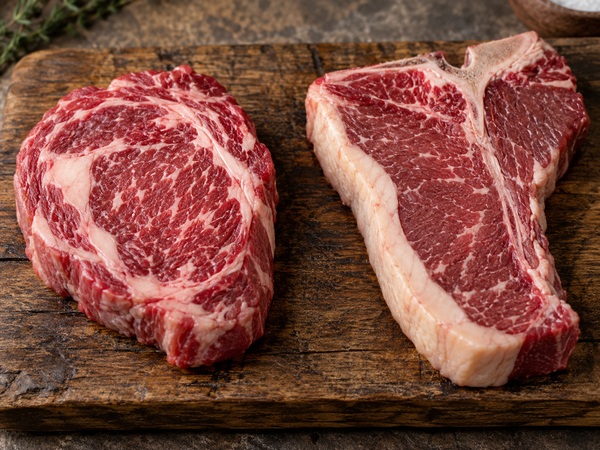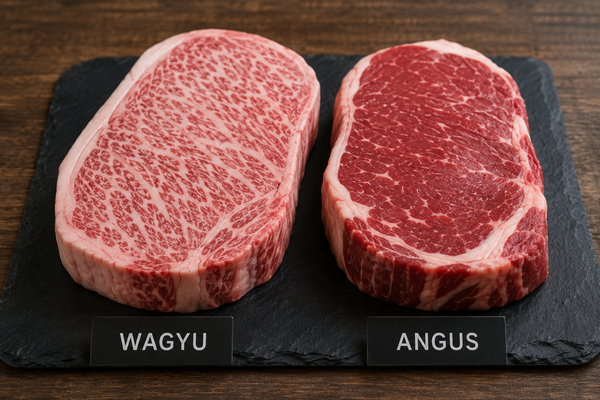

The best cut of steak for most Australians is scotch fillet for all-round flavour, eye fillet if tenderness matters most, and rump if value is the priority. There is no single winner, because tenderness, flavour and price pull in different directions.
This guide ranks the best beef cuts for steak lovers with Australian names first, honest verdicts on each, real prices per kilogram in AUD, and the right cut for every cooking method, so you can order exactly the steak your occasion calls for.
How We Ranked These Cuts
We ranked each cut on four things: tenderness, flavour, value per dollar and versatility across cooking methods. The core trade-off in steak is simple: the tender cuts (eye fillet) carry less fat and less flavour, while the flavour cuts (scotch fillet, rump) work harder and carry more. As the butcher, we cut and sell every steak on this list, so the verdicts below are the same ones we give customers at the counter.
The Best Cuts of Steak, Ranked

Scotch fillet takes the top spot for the best balance of marbling, flavour and tenderness, but every cut below earns its place for a specific job.
1. Scotch Fillet (Ribeye)
The all-rounder champion. Generous marbling delivers flavour and juiciness with very good tenderness, and it forgives a slightly overcooked minute better than any lean cut. If you only buy one steak, buy this. Our ribeye vs sirloin comparison shows why it edges out the leaner contender.
2. Eye Fillet (Tenderloin)
The most tender steak on the animal, with a fine, buttery texture and a milder flavour. The special-occasion pick, best rare to medium rare. It leads our top tender beef cuts list for a reason.
3. Porterhouse (Sirloin)
The balanced classic: firmer bite than scotch fillet, cleaner beef flavour, and a fat cap that crisps beautifully. Often the best price-to-quality ratio on the steak counter.
4. Rump
The value king. More chew than the premium cuts but deep, satisfying beef flavour at roughly half the price of eye fillet. Cut thick and rested well, rump embarrasses steaks twice its price.
5. T-Bone
Two steaks in one: porterhouse on one side of the bone, eye fillet on the other. Great theatre and great eating, though the two sides cook at different speeds, which takes a little care.
6. Flat Iron
Cut from the oyster blade with the centre seam removed, flat iron is remarkably tender for its price and takes a marinade brilliantly. The best cheap steak most people have never ordered.
7. Oyster Blade
The whole-blade version with the seam left in, best cooked fast to medium then sliced, or braised whole. Tender, marbled and cheap, it holds its own against far pricier steaks in our 11 cuts of beef ranked by flavour and fat content.
Porterhouse vs Scotch Fillet: Which Should You Buy?

Choose scotch fillet for richness and forgiveness, porterhouse for a firmer, leaner steak with a crisp fat cap and a lower price per kilogram. They come from neighbouring sections of the back, but they eat very differently.
Scotch fillet carries marbling through the whole steak, so every bite is juicy and it stays that way even a touch past medium. Porterhouse concentrates its fat in the cap along one edge, leaving the eye leaner with a cleaner, beefier chew.
The honest verdict: scotch fillet wins for most people and most pans, porterhouse wins for buyers who find scotch too rich, want a straighter steak for even searing, or are feeding a table on a budget. In our range porterhouse starts around $39 per kg against $60 plus for scotch fillet, which makes it the smart weeknight premium steak.
Best Steak for Every Cooking Method
Match the steak to the heat: marbled cuts for the BBQ, tender cuts for the pan, thick cuts for the reverse sear.
| How you are cooking | Best cuts of steak | Why |
| BBQ over flame | Scotch fillet, rump, T-bone | Marbling and fat caps handle open heat |
| Pan searing | Eye fillet, scotch fillet, porterhouse | Even thickness, fast crust, easy basting |
| Reverse sear (thick cuts) | Scotch fillet, T-bone, rump cap | Thickness needs the low-then-hot method |
| Budget midweek | Rump, flat iron, oyster blade | Big flavour, small spend |
For open-flame technique and thickness picks, our guides to the best cuts for grilling and the best marbled cuts for pan searing go deeper on each method.
Steak Prices in Australia: What to Expect Per Kg
In Australia, quality steak runs from around $33 per kilogram for grass fed rump to over $100 per kilogram for high marble score eye fillet. These are real prices from our own grass fed range, with single pieces at the top of each band and full boxes at the bottom:
| Cut | Price per kg (AUD, grass fed) | Value verdict |
| Rump and rump cap | $33 to $54 | Most flavour per dollar on the counter |
| Porterhouse | $39 to $79 | Best premium steak for the price |
| Scotch fillet | $60 to $89 | Worth the step up for the marbling |
| Eye fillet | $55 to $109 | Pay for occasions, not weeknights |
Two quality checks protect the spend at any price point: MSA grading or a stated marble score, and a clear feeding claim (100% grass fed and finished, or grain fed with days on feed). A premium price with neither is a red flag. Where the cut sits on the animal explains most of the price difference, which our guide to every beef primal cut breaks down.
Buying by the box rather than the single piece trims $5 to $10 per kilogram on every cut above, and our guide to buying premium steak online covers delivery and what to check on arrival.
Order Your Next Steak
The best cut of steak depends on the job: scotch fillet for the best all-round eating, eye fillet for tenderness, porterhouse for balance, rump for value. Rank the occasion first and the cut picks itself.
Browse our full range of Australian beef cuts, cut thick, graded and delivered Australia-wide.