
Half a cow in Australia typically costs between $1,700 and $3,200, based on roughly $17 to $30 per kilogram of hanging weight for a carcase side of about 100 to 120 kg.
The catch is that you do not take home 100 kg of meat. After bone and trim, the real cost per kilogram of packed beef is considerably higher than the headline figure.
This guide runs the honest arithmetic, shows what cuts actually arrive, and compares it against buying premium cuts by the box.
What Does Buying Half a Cow Actually Mean?
Buying half a cow means purchasing a side of a beef carcase, which is then broken down by a butcher into the cuts you take home. It is sold as a carcase share rather than as retail cuts, which is why the pricing works differently from anything you see at a butcher counter.
The number you are quoted is almost always per kilogram of hanging weight, sometimes called dressed weight or hot standard carcase weight. That is the weight of the side after slaughter and dressing, with the hide, head and offal removed, but with every bone still in it.
What lands in your freezer is the packed weight: the boned, trimmed, cryovac sealed meat. Expect roughly 65 to 75 per cent of the hanging weight, depending on how the animal is finished and how much fat and bone your butcher trims away.
That single distinction is where most of the confusion in this category lives, and it is the first thing to clarify with any supplier before paying a deposit.
What Does Half a Cow Cost in Australia?
Expect $17 to $30 per kilogram of hanging weight, which for a typical half carcase works out to a total of roughly $1,700 to $3,200 before delivery. Grass fed sides sit toward the lower end and certified organic toward the top.
| What you are quoted | Typical figure | What it means |
| Price per kg hanging weight | $17 to $30 | The advertised rate, calculated on bone-in carcase weight |
| Hanging weight of a half | 100 to 120 kg | Some smaller programs run 57 to 76 kg |
| Total invoice | $1,700 to $3,200 | Often a deposit first, balance on final weight |
| Packed meat you receive | 65 to 75 kg | After bone, fat and trim are removed |
| Real cost per kg of meat | $25 to $45 | The number that matters when comparing with retail |
Work a single example. A side quoted at $20 per kilogram on a 100 kg hanging weight gives you a $2,000 invoice. If the packed yield is 70 kg, you have paid about $28.50 for every kilogram of meat that reaches your freezer, not $20.
That is still competitive against retail for premium cuts, but it is not the bargain the headline rate implies, and it is why comparing a carcase share against a butcher's per kilogram price without adjusting for yield is misleading.
What Cuts Do You Actually Get?

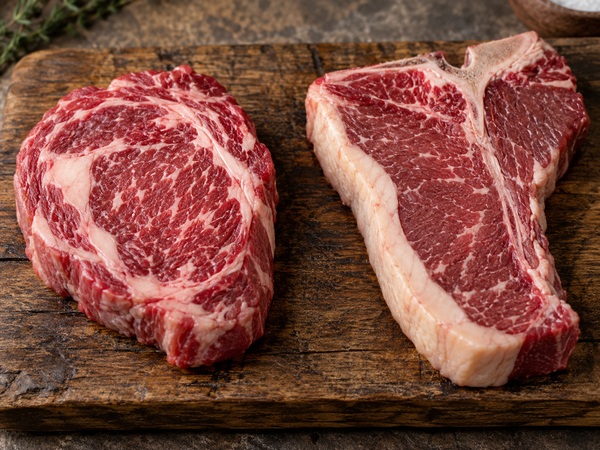
A half cow is mostly mince and slow cooking cuts, with steak making up a surprisingly small share of the total. You get the whole animal's proportions, not a selection you choose.
| Category | Approximate share | What arrives |
| Mince and sausage | 25 to 30% | Trim from across the carcase |
| Slow cooking cuts | 25 to 30% | Chuck, brisket, shin, short ribs |
| Roasts | 20 to 25% | Topside, silverside, rump |
| Premium steak | 10 to 15% | Scotch fillet, porterhouse, eye fillet |
| Bones and trim | Remainder | Often returned on request |
If you eat a lot of mince and braise regularly, those proportions suit you well. If your household mostly eats steak, you are paying premium carcase rates for 30 or 40 kg of mince you did not particularly want. Our guide to every beef primal cut explains where each of these comes from and how to use them.
Some butchers offer a cut sheet, letting you specify steak thickness, roast sizes and how much trim goes to mince. Ask before ordering, because the level of choice varies enormously between suppliers.
How Much Freezer Space Do You Need?
Allow roughly 200 to 250 litres of dedicated freezer space for half a cow, which in practice means a standard chest freezer you are not using for anything else.
As a working rule, every 15 to 20 kg of packed, cryovac sealed beef needs about 28 litres of freezer volume once you account for awkward shapes and air gaps. Seventy kilograms of meat therefore fills a great deal more space than people expect.
Factor in the cost if you do not already own one. A chest freezer plus running costs eats into the saving, particularly in the first year. Cryovac sealed beef stores very well, and our guide on storing cryovac meat covers how to keep it in good condition for the months it will take to work through.
Half a Cow vs Buying by the Box
A half cow wins on price per kilogram across the whole animal. Buying premium cuts by the box wins on control, storage and getting only what you actually eat. Both are legitimate ways to buy in volume, and the right one depends on how your household eats.
| Half a cow | Cuts by the box | |
| Cost per kg | $25 to $45 across all cuts | From $29 for brisket, $35 for rump, $59 for scotch fillet |
| Cut control | You take the animal's proportions | You choose the cut |
| Freezer needed | 200 to 250 litres | One box fits a household freezer |
| Wait time | Weeks, tied to slaughter dates | Ships from stock |
| Waste risk | High if you do not use mince and braising cuts | Low, you ordered it deliberately |
| Upfront spend | $1,700 to $3,200 | A few hundred dollars per box |
Put simply: if you want everything a cow produces and have the freezer for it, a carcase share is genuinely good value. If you want scotch fillet and brisket and nothing else, you can buy those cuts by the carton for less than the effective per kilogram cost of the half, with none of the storage burden.
Who Should Buy Half a Cow, and Who Should Not
Buy half a cow if you are a large household that cooks across the whole animal, has dedicated freezer space, and can wait for a processing date. Families who mince, braise, roast and slow cook through the week extract real value from a carcase share.
Think again if any of these apply. You mostly eat steak. You have a single kitchen freezer. You want the meat this week. You have not confirmed whether the quote is hanging weight or packed weight. Or you have never worked through 30 kg of mince before and are guessing that you will.
There is no shame in the second list. Most Australian households fall into it, which is precisely why buying by the cut exists.
Buy the Cuts You Actually Want

Half a cow is a real option, and the maths works for the right household. Just run the numbers on packed weight rather than hanging weight before you commit. If the freezer space or the mince mountain gives you pause, buying by the box gets you the same volume savings on the cuts you actually eat.
Browse our Australian beef by the cut, graded, cryovac sealed and delivered from stock.